Throwing Stars Laws by State: What You Must Know Before You Buy or Carry
Quick Answer:Throwing stars – also called shuriken, ninja stars, or throwing blades – are illegal to own, carry, or sell in several U.S. states, and heavily regulated in many others. In some states, simply possessing one is a criminal offense regardless of intent. Before you buy or travel with a throwing star, you need to know exactly where you stand legally – because ignorance of the law will not save you from the charge.
Are Throwing Stars Legal in the United States?
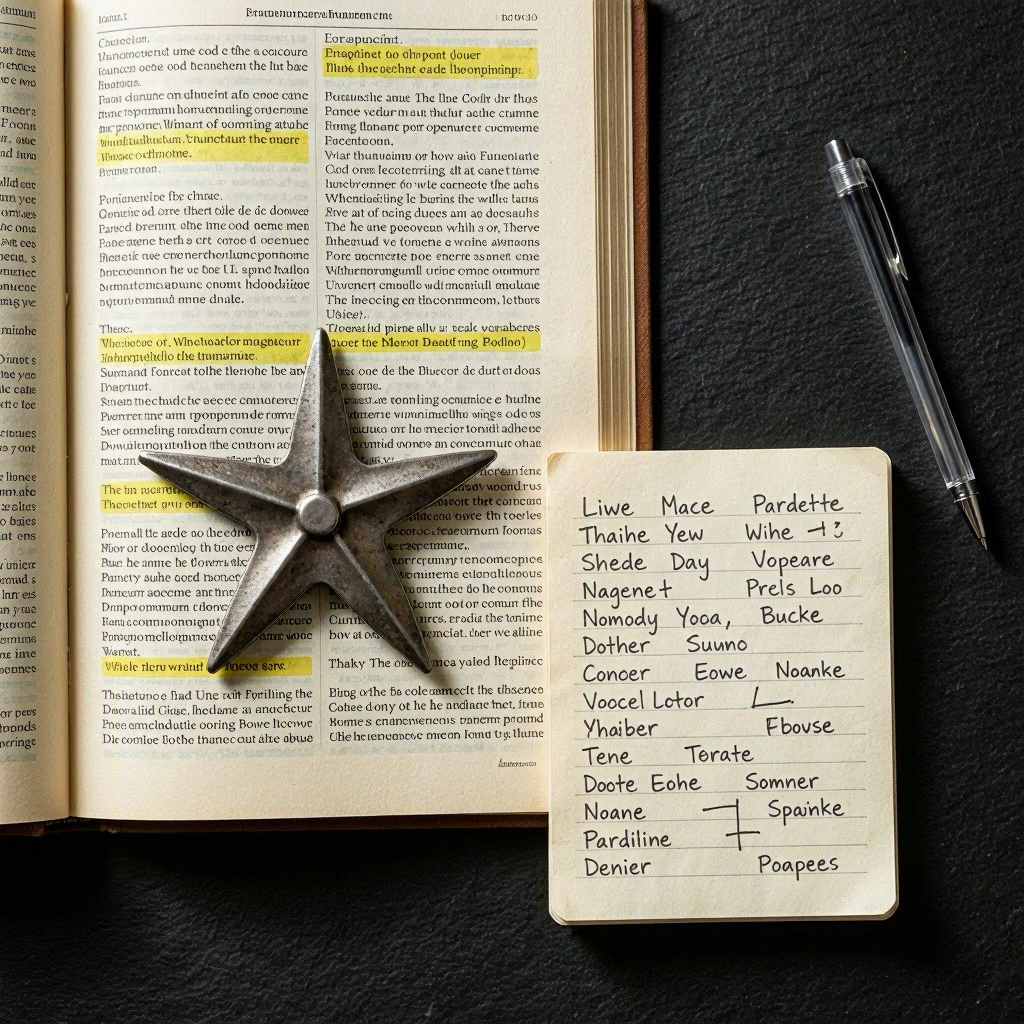
The short answer is: it depends entirely on the state you’re in. There is no federal law that outright bans throwing stars for civilians, but individual states have passed their own statutes – and some of those statutes are strict. A few states lump throwing stars in with ballistic knives and brass knuckles as prohibited weapons. Others allow ownership at home but restrict carrying in public. And a handful of states don’t regulate them much at all.
Here’s what makes this dangerous territory: the laws are inconsistent, often buried inside broader statutes covering “dangerous weapons” or “martial arts weapons,” and they don’t always use the same terminology. You might search for “throwing star” in your state code and find nothing – but the law covering “shuriken” or “star-shaped blades” is right there and carries a felony penalty. Read carefully. Read everything.
#image_title
Which States Ban Throwing Stars Outright?
Several states have explicit bans on throwing stars. These are not gray areas – these are states where simple possession can result in criminal charges:
California: Throwing stars are illegal to possess, manufacture, sell, or transport under California Penal Code Section 22410. This is a misdemeanor charge. No exceptions for collectors or display purposes in most circumstances.
Indiana: Indiana Code 35-47-5-12 bans possession of a shuriken. Classified as a Level 6 felony if you carry or attempt to use one. This is serious.
New York: Prohibited under New York Penal Law 265.01. Possession is a Class A misdemeanor. “Ninja-type” stars are explicitly named in the statute.
North Carolina: Banned under G.S. 14-269.2 and related statutes when carried concealed or in public spaces. Context matters here – know the specific language.
Illinois: Throwing stars fall under Illinois’ definition of dangerous weapons and are restricted under 720 ILCS 5/24-1. Carrying one can result in a Class A misdemeanor.
Washington: Shuriken are classified as “dangerous weapons” under RCW 9.41.250 and possession can result in a gross misdemeanor.
I’m gonna tell you right now – this list can change. Laws get updated. Local ordinances add another layer. Always verify with your state’s current statutes or consult a local attorney before making any purchase decision.
Which States Allow Throwing Stars With Restrictions?
Many states allow throwing stars in some capacity – typically at home, on private property, or at martial arts training facilities – but restrict or prohibit open carry or concealed carry in public. Here’s the pattern you’ll see:
Ownership permitted, public carry prohibited or restricted
Training and sporting use permitted, concealed carry not allowed
No state-level ban, but local city or county ordinances may apply
Legal to possess but illegal to sell to minors
States in this middle ground include parts of Florida, Texas, and Ohio – but the details vary significantly. Texas, for example, broadly reformed its weapons laws in recent years and has loosened restrictions on many edged weapons, but “location restrictions” still apply, meaning you cannot carry them in certain public places even if the item itself is technically legal.
Which States Have the Most Permissive Throwing Star Laws?
States like Arizona, Alaska, and Montana tend to have fewer restrictions on edged and bladed weapons generally, and throwing stars often fall into a legal gray zone where they’re not explicitly banned. However – and this is critical – “not explicitly banned” is not the same as “legal to carry anywhere.” Broad dangerous weapons statutes in any state can still catch you if you’re carrying something with evident intent to harm or in a prohibited location like a school or courthouse.
The safest approach in any state is this: if you’re using throwing stars for martial arts training or collection, keep them at home or transport them unloaded in a case to and from a licensed training facility. Don’t carry them on your person in public. Don’t bring them into vehicles unless you know your state’s transport laws cold.
What Are the Key Legal Terms You Need to Understand?
When you’re reading your state’s weapons statutes, you’ll encounter specific language that determines whether throwing stars are covered. Watch for these terms:
Shuriken: The Japanese term most commonly used in state statutes. If your state bans shuriken, throwing stars are covered.
Throwing star: Used explicitly in some state codes. California and New York use this language directly.
Martial arts weapons: A broad category used in several states. Throwing stars are almost always included when this phrase appears in a banned weapons list.
Concealed weapon: Even in states where possession is legal, carrying a throwing star hidden on your body may trigger concealed weapon statutes.
Dangerous weapon: The broadest category. Courts have found throwing stars to meet this definition in multiple jurisdictions.
Deadly weapon: Similar to dangerous weapon, but often used in more serious felony-level statutes.
Can You Travel Across State Lines With Throwing Stars?
Here’s the thing – there is no federal equivalent of the Firearm Owners Protection Act that protects you when traveling through states with strict throwing star bans. If you drive from a state where they’re legal into California or Indiana with a throwing star in your vehicle, you can be charged under that state’s law. Period.
If you’re a martial artist or collector who travels, you need to map your route and know the laws of every state you’ll pass through. That’s not an exaggeration – people have been charged for exactly this situation. When in doubt, ship them to your destination through a legal retailer rather than transporting them personally. And always check current laws before you travel, because they do change.
Are Throwing Stars Practical for Self-Defense?
Now look – I want to be straight with you here. Throwing stars are not a practical self-defense tool for most people. They require significant skill and practice to use effectively at any meaningful range. In a real threat situation, the window to draw, aim, and throw is almost nonexistent. Compare that to a quality pepper spray that activates instantly, or a personal alarm that draws attention and disrupts an attacker’s confidence.
If you’re interested in throwing stars for martial arts training, that’s a legitimate pursuit – and there are legal ways to do it in many states. But if your goal is personal protection, I’d point you toward tools that are legal where you live, easy to deploy under stress, and don’t carry felony-level legal risk just for carrying them.
What Should You Do Before Buying a Throwing Star?
Follow these steps every time – no shortcuts:
Look up your state statute directly. Don’t rely on forums or YouTube videos. Go to your state legislature’s website and search for your state’s weapons code using terms like “shuriken,” “throwing star,” and “martial arts weapons.”
Check local ordinances. Even if your state allows them, your city or county may have additional restrictions. Search your municipality’s code.
Consult a local attorney if you’re unsure. A 30-minute consultation with a criminal defense attorney is worth it if you’re serious about collecting or training.
Verify transport rules separately. Ownership laws and transport laws are often different statutes. Confirm both.
Recheck before travel. Laws change. Before any out-of-state trip, recheck the laws for every state on your route.
Keep training gear secured at home. If you’re a martial artist, the safest legal position in most states is keeping throwing stars at your home or training facility – not in your car or on your body.
Frequently Asked Questions About Throwing Star Laws
Are throwing stars illegal in California?
Yes. California Penal Code Section 22410 makes it a misdemeanor to possess, manufacture, sell, or transport throwing stars in the state. There are very limited exceptions, and collectors are not automatically exempt. If you’re in California, do not purchase or possess a throwing star without first consulting a California attorney familiar with weapons law.
Can I own a throwing star in Texas?
Texas has loosened many of its weapons restrictions in recent years, and shuriken are not explicitly listed as prohibited weapons under current state law. However, carrying them in certain locations – schools, government buildings, bars, and others – remains prohibited. Texas laws can be complex, so verify the current statute and any relevant location restrictions before carrying.
Is it a felony to carry a throwing star in Indiana?
Yes. Under Indiana Code 35-47-5-12, possession of a shuriken is classified as a Level 6 felony. This is one of the strictest throwing star laws in the country. Indiana residents and anyone passing through the state should be aware that even casual possession can result in felony charges. There are no collector exemptions in the general statute.
Can I bring throwing stars on a plane?
No. The TSA explicitly prohibits throwing stars in both carry-on and checked baggage. Even if the destination state has permissive laws, you cannot fly with throwing stars. Attempting to bring them through a TSA checkpoint can result in confiscation, fines, and potential law enforcement involvement. Ship them through a licensed carrier if you need them at a destination.
Are throwing stars legal for minors anywhere in the U.S.?
Even in states where throwing stars are not outright banned, selling them to minors is restricted or prohibited in most jurisdictions. Many states include bladed weapons in statutes that restrict sales to individuals under 18. Parents should also be aware that a minor found with a throwing star could face juvenile charges even in states where adult possession is technically permitted.
Do martial arts schools have special exemptions for throwing stars?
In some states, licensed martial arts schools may have limited exemptions for training use on their premises. However, these exemptions are narrow and don’t extend to students transporting weapons to and from the school in all jurisdictions. If your martial arts training involves shuriken, speak directly with your instructor and verify what your state’s statute says about training facility exemptions.
What happens if I’m caught with an illegal throwing star?
Consequences vary by state. In California and New York, it’s typically a misdemeanor for a first offense. In Indiana, it’s a felony. Penalties can include fines, probation, and jail time depending on your state and prior record. Beyond legal consequences, a weapons conviction can affect your employment, housing, and in some states your ability to own firearms. Take these laws seriously – the consequences are real.
Are there legal alternatives for martial arts training where throwing stars are banned?
Yes. Rubber or foam training shuriken are available and widely used in martial arts instruction in states where real throwing stars are banned. These training tools allow practitioners to develop technique without legal risk. Always confirm that your training tools meet your state’s legal standards – some statutes are broad enough to cover realistic-looking replicas. When in doubt, consult your state’s weapons statute directly.
Final Word: Know the Law, Carry What’s Legal Where You Are
Look – I’m not here to talk you out of martial arts or collecting. But I am going to be straight with you: throwing stars carry serious legal risk in a significant number of states, and that risk is not worth taking lightly. A misdemeanor weapons charge follows you. A felony weapons charge follows you even harder.
If you’re looking for reliable personal protection tools that are legal to carry in most states – pepper spray, stun guns, personal alarms – I’ve got you covered at Brainstorm Security Shop. These are tools I’ve tested, I trust, and I’d put in the hands of my own family. Whatever you carry, carry it legally, carry it trained, and carry it ready. May you and your loved ones stay protected.
With over 25 years in the Self Defense Industry, Jose Diaz has provided lots of advise to those seeking to protect themselves against danger. Jose is a hard working individual who has use his skills to address the many faults of self protection in our society. As a father, Grandfather and a Great grandfather he wants to keep his family safe. This is why he has created his business, "Brainstorm Security Shop". He wants to provide people with a choice to defend themselves in case of a personal attack. His self-defense gadgets, like stun guns, pepper sprays, knifes, personal alarms and others will provide protection against any attacker. Please take a look at his products since very well can save your life in case of a personal attack. May you and your loved ones be safe and enjoy a long and prosperous life.