


Nap Alarm – 80dB Ear-Worn Drowsy Driving Alert
$9.95
Buy with Confidence
Covered by a 30-Day Money Back Guarantee. If it's not right for you, returns are easy and hassle-free.

Secure checkout • 100% Satisfaction Guaranteed • 30 Day Money Back Guarantee • Easy Returns • Fast Customer Support
The Nap Alarm is a compact, ear-worn alert device with a head-tilt sensor that sounds an 80dB alarm the moment your head begins to dip — giving long-haul drivers, night-shift workers, and road-trippers a simple, no-tech safety net for the most dangerous part of the drive.
That last stretch of highway is where it happens. You’re twenty minutes from home after a double shift or eight hours into a long haul, and your body starts making decisions you didn’t authorize. Your eyes get heavy, your head dips — and for a fraction of a second, nobody’s driving. That fraction of a second is exactly what the Nap Alarm is built to interrupt. It sits over your ear, reads your head position, and fires off an 80dB alert before a microsleep becomes a catastrophe.
Who This Drowsy Driving Alert Is For
This is good for long-haul truckers grinding through the overnight miles, night-shift nurses and factory workers heading home at 3 AM, and parents doing the late pickup after an already-exhausting day. It’s also a smart call for road-trip drivers pushing past the point where a sensible person would’ve pulled over. If you’ve ever jerked awake and realized you drifted for a second, you already understand exactly why this exists.
Is It the Right Fit for You?
Choose It If You Want
- An instant physical wake-up call the moment your head starts to drop
- Something that requires zero setup, apps, or phone mounting
- A reusable tool you can toss in the glovebox and forget about until you need it
- A low-cost, no-fuss option that works on any vehicle, any route
Consider Another Option If You Need
- A camera-based system that monitors your eyes and facial expressions
- A solution integrated with your vehicle’s dashboard or safety systems
- An app-based alert that logs your drowsiness data over time
Nap Alarm Features and Benefits
- 80dB Ear-Worn Alarm: Loud enough to snap you back immediately — that’s roughly the volume of a loud alarm clock, fired directly at your ear the instant it detects a problem.
- Head-Tilt Sensor: Triggers the moment your head drops forward or to the side, which is the first physical sign of drowsiness setting in. No manual input needed.
- Fits Over Either Ear: Lightweight and designed to stay put through hours on the road — left or right, it doesn’t matter.
- Battery Included: Three AG3 alkaline button cell batteries come installed. Open the box, put it on, go.
- Compact and Reusable: At 1⅞” x 2¼” x ⅝” and just 0.06 lbs, it fits in a shirt pocket, a glovebox, or a bag without taking up any real space.
- No Charging Required: Battery-powered means no cables, no charging cycles, and no dead device when you actually need it.
- Single-Purpose Design: It does one thing and it does it well. There’s no learning curve, no settings to configure, and no distraction to manage while you’re already behind the wheel.
How the Nap Alarm Compares
Here’s how this device stacks up against the other common ways drivers try to manage drowsiness on the road.
| Feature | Nap Alarm | Energy Drinks | Phone Drowsiness App |
|---|---|---|---|
| Key Spec | 80dB, instant head-tilt detection | Temporary caffeine boost | Camera-based, requires phone mount |
| Size and Carry | Ear-worn; fits in a pocket | Can in a cupholder | Phone plus mount hardware |
| Power Source | AG3 button cell batteries (included) | N/A — consumable | Drains phone battery |
| Ease of Use | Put it on and drive | Drink it and wait for it to kick in | Setup, permissions, and mounting required |
| Best For | Immediate physical alert at the first dip | Pre-trip alertness boost | Tech-comfortable drivers with a mount setup |
Care and What’s Included
What’s in the Box
You get the Nap Alarm ear-worn unit with the head-tilt sensor built in and three AG3 alkaline button cell batteries already installed. It’s ready to use straight out of the package — no assembly, no pairing, nothing to download.
Care and Battery
There’s no maintenance routine to speak of. When the alarm eventually weakens — which won’t happen anytime soon with normal use — swap in fresh AG3 button cells, which you can find at any hardware or electronics store. Store it in your glovebox, center console, or go-bag so it’s there when you need it and not buried somewhere at home.
Nap Alarm: Frequently Asked Questions
How does the Nap Alarm know when I’m falling asleep?
It uses a head-tilt sensor positioned at your ear. When your head drops forward or to the side — the physical reflex that comes with the first wave of drowsiness — the sensor detects the angle change and triggers the 80dB alarm instantly. It’s a purely mechanical response. No camera, no software, no delay.
How loud is 80dB in practice?
It’s roughly the volume of a garbage disposal or a loud alarm clock, fired right next to your ear. That’s intentional. It needs to cut through road noise, music, and the mental fog of genuine fatigue. It will get your attention. That’s the whole point.
Can the Nap Alarm replace pulling over and resting?
No — and I want to be straight with you on that. If you’re genuinely exhausted, pull over and sleep. This device is designed for the moments when you’re pushing through the last leg of a drive and need a physical backup to catch a microsleep before it becomes dangerous. It’s a safety net, not a substitute for rest.
How long do the batteries last in the Nap Alarm?
AG3 alkaline button cells have a solid shelf life and hold up well with regular use. The device draws power only when the alarm fires, so the batteries last through a significant amount of driving time. Replacements are inexpensive and widely available — keep a spare set in the glovebox alongside the unit itself.
Add This Drowsy Driving Alert to Your Glovebox
At under ten dollars, this is one of the lowest-cost safety decisions you can make for yourself or for someone you care about who spends serious time behind the wheel. Toss one in the glovebox, one in the go-bag, and one in the car of that person in your life who always insists they’re fine to drive. Add it to your cart and keep it somewhere you’ll actually reach for it.
| Decibles | 80 db |
|---|---|
| Battery | 3 AG3 Alkaline Button Cell (Included) |
| Color | Black |
| Weight | 0.06 lbs |
| Dimensions | 1 7/8" x 2 1/4" x 5/8" |
Additional information
Related products
-
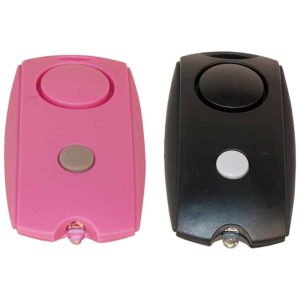
Mini Personal Alarm – 120dB Siren with LED Flashlight
$8.95 Select options This product has multiple variants. The options may be chosen on the product page -
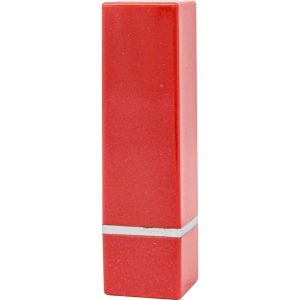
Lipstick Personal Alarm – 90dB Pull-Pin Siren
$12.95 Select options This product has multiple variants. The options may be chosen on the product page -
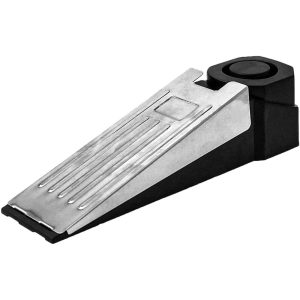
Door Stop Alarm – 120dB, Vibration Sensor, Wedge-Style
$7.95 Add to cart -
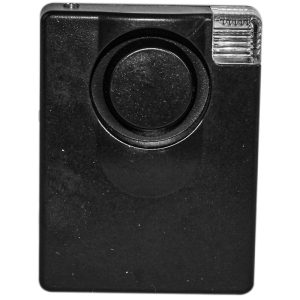
Personal Alarm with Flashlight – 130dB, 50 Lumens, Door Sensor
$11.95 Add to cart

Reviews
There are no reviews yet.