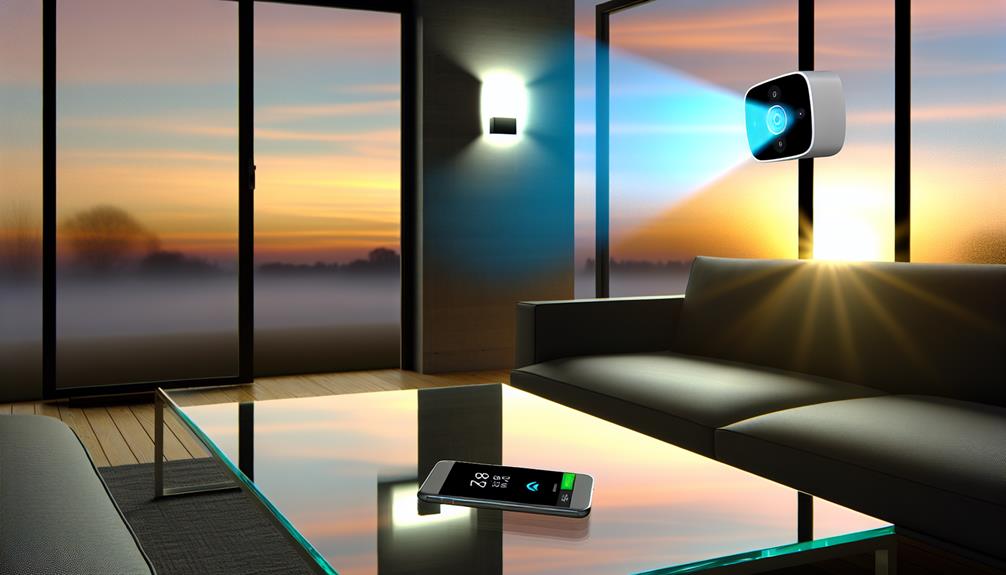
As you consider upgrading your home security, wireless sensors present an attractive option that merges convenience with sophistication. You can install these devices anywhere in your home without worrying about complex wiring, offering you a seamless way to expand your system as needed. While the ease of setup and flexibility are compelling, you might wonder about the trade-offs in terms of reliability and performance. What happens, for instance, when Wi-Fi connectivity is unstable? Let’s explore how these systems stand up to real-world challenges and you can purchase one at brainstormsecurityshop.com/ at very low prices!
Understanding Wireless Security Systems
Wireless security systems allow you to monitor your home from anywhere, using sensors that communicate without the need for hard wiring. These systems aren’t just convenient; they’re also adaptable and scalable. You can start with a basic setup and expand as your needs grow without tearing into walls and running new wires.
The flexibility of placement is a major advantage. You’re not limited by where existing wiring resides or the accessibility of power outlets. You can place sensors in optimal positions, whether it’s on doors, windows, or even obscure corners of your basement. This flexibility also means you can easily take your system with you if you move, providing continuous security wherever you go.
Moreover, wireless systems are usually connected through Wi-Fi or a cellular network, allowing you to receive alerts on your smartphone or tablet. Whether you’re at work or on vacation, you can check in on your property with just a few taps. This connectivity also facilitates integration with other smart home devices, enhancing your home’s overall safety and efficiency.
As technology advances, these systems become more robust and resistant to interference, ensuring reliable performance that keeps your home protected around the clock.
Key Components Explained
Let’s explore the main components that make up a wireless home security system. At the heart, you’ll find the control panel, essentially the brain of your system. It communicates with each connected device and helps you manage settings and monitors system status. You interact with it directly or via a mobile app.
Next, there are the sensors. Door and window sensors form the first line of defense. They alert you if someone opens them unexpectedly. Motion sensors add another layer, detecting movement within your home. These are particularly useful in areas where intruders could move around undetected.
Cameras are your eyes when you’re not home. They can be placed inside and outside to monitor activity. Modern cameras offer features like live streaming, night vision, and motion-triggered recording, sending you alerts if they detect something unusual.
Lastly, there’s the alarm. It’s what scares off intruders and alerts you to potential danger. It can also notify your security company or local authorities if you’re not around to respond.
Together, these components create a comprehensive system that keeps your home monitored and helps deter potential threats, giving you peace of mind whether you’re at home or away.
Installation Process Simplified
Installing your home security system with wireless sensors is straightforward and can be done in a few simple steps. First, decide where you’d like to place your sensors. Common spots include doors, windows, and hallways. Make sure these areas are free from obstructions to ensure maximum coverage.
Next, you’ll need to sync the sensors with your main control panel. This usually involves pressing a button on each sensor, then on the control panel, to pair them wirelessly. You’ll see a confirmation light or hear a sound when they’re successfully connected.
Once paired, install the sensors at your chosen locations. Most wireless sensors come with adhesive backings or small screws for easy attachment. It’s crucial you test each sensor after installation. Open a door or window to see if the sensor triggers an alert on your control panel. This step confirms everything is working correctly.
Lastly, customize your system settings through your control panel or a mobile app. You can set up notifications, change alert tones, and adjust sensor sensitivity as needed. Don’t forget to save your configurations and keep your system’s manual handy for quick reference or troubleshooting.
Advantages of Going Wireless
Having covered the installation process, we can now explore the benefits of opting for wireless sensors in your home security system.
One of the biggest advantages is the flexibility they offer. You’re not limited by where you can place sensors because you don’t need to worry about connecting wires or altering your home’s infrastructure. This flexibility means you can easily adjust sensor locations as needed, whether you’re rearranging rooms or expanding your system.
Another major plus is the reduced installation time. Without the need to run wires through walls or ceilings, you’ll find that setting up your system is significantly quicker and less intrusive. There’s no need for major renovations or long hours of labor, which not only saves time but also reduces the cost of installation.
Wireless sensors also tend to be quite discreet and aesthetically pleasing. They can blend seamlessly into your home without the clutter of visible wiring, maintaining the decor and ambiance you’ve worked hard to create. Additionally, the absence of wires enhances safety by reducing the risks of accidents or tampering.
Lastly, the technology behind wireless sensors is continuously improving, offering you robust security that keeps pace with modern threats without being bogged down by outdated infrastructure.
Remote Monitoring Capabilities
Wireless sensors enable you to monitor your home security system remotely, ensuring you’re always in the loop no matter where you are. Through a dedicated app on your smartphone or tablet, you can receive real-time alerts and notifications directly from your sensors. Whether it’s a door opening or a window breaking, you’ll know immediately.
This capability isn’t just about alerting you to potential intruders. It also lets you keep an eye on your home’s environmental conditions. You’ll get updates on smoke, fire, or water leaks, helping you prevent potential disasters before they escalate. Plus, you can monitor the comings and goings in your home, handy if you’re keeping track of kids returning from school or the arrival of household staff.
Remote monitoring means you’re not tied down. Whether you’re at work, on vacation, or just out for the evening, you can stay informed and in control. If something does happen, you can contact emergency services or a neighbor to check on your home, long before you get back. It’s peace of mind, right in your pocket.
Compatibility With Smart Homes
Your home security system can seamlessly integrate with existing smart home devices, enhancing both security and convenience. Nowadays, you’re likely using smart gadgets like voice assistants, smart lights, and thermostats. When your security system is compatible with these devices, you can manage everything from a single app.
Imagine adjusting the lighting, temperature, and monitoring your home’s security all through a few taps on your smartphone or simple voice commands. This integration doesn’t just simplify your life; it makes your home smarter. For example, you can set your security system to turn on the lights when motion is detected in a specific area at night, deterring potential intruders.
Or, connect your cameras with your voice assistant to immediately show you who’s at the door when the bell rings. Moreover, automating routines becomes straightforward. You can program scenarios where your doors lock automatically when your security system is armed at night, or have the garage door open as your security system disarms when it recognizes your car approaching.
It’s all about creating a cohesive, intelligent ecosystem that works together to simplify tasks and boost your home’s security.
#image_title
Enhancing System Reliability
While integrating your security system with smart home devices offers convenience, ensuring its reliability is key to maintaining your home’s safety. Wireless sensors, which form the backbone of your security setup, must operate flawlessly to protect your property effectively. Here’s how you can enhance their reliability.
Firstly, regularly check and maintain your sensors’ battery life. Most wireless sensors are battery-powered, and a dead battery means a non-functional sensor. Set reminders to test these batteries monthly and replace them as needed.
Secondly, ensure that each sensor maintains a strong and secure connection to your main control panel. Weak signals can cause intermittent lapses in your system’s coverage. Consider positioning repeaters strategically around your home to boost signal strength, especially if you’ve got a large house or thick walls.
Additionally, protect your sensors from environmental factors. Extreme temperatures, moisture, and dust can impair their functionality. Where possible, install sensors in sheltered locations and use protective covers.
Lastly, keep your system’s firmware and software updated. Manufacturers often release updates that fix bugs and enhance performance. Staying current with these updates helps you avoid vulnerabilities and keeps your system running smoothly.
Cost Analysis and Savings
Evaluating the costs and potential savings of a home security system with wireless sensors can significantly impact your budgeting decisions. Initially, the upfront cost might seem daunting. However, breaking it down, you’ll see that the investment can be manageable. The price of wireless sensors varies, but on average, you’re looking at anywhere from $20 to $50 per sensor. With a basic setup, you might start with around five sensors, which won’t break the bank.
Besides the initial outlay, you should consider the operational costs. Fortunately, since wireless systems don’t require professional installation, you’ll save a chunk of change by doing it yourself. There’s no need to hire an electrician or handle extensive wiring. This DIY approach not only cuts down on costs but also gives you the flexibility to expand or modify your system as needed.
On the savings front, installing a security system could lower your home insurance premiums. Many insurance companies offer discounts for homes with security systems, as they reduce the risk of theft and damage. These discounts can range from 5% to 20%, which over time, can significantly offset the initial cost of your system.
Maintenance and Troubleshooting
Maintaining your wireless home security system involves regular checks and prompt troubleshooting to ensure optimal performance. You’ll want to start by periodically testing the batteries in all sensors and remote controls. Most systems alert you when batteries are low, but it’s best not to wait for that warning. Test them every few months to stay ahead.
Next, check the signal strength of your wireless components. If you notice some sensors have intermittent connections, consider repositioning them closer to your main control panel or adding a signal repeater. This step ensures all parts of your system communicate effectively, preventing potential security gaps.
You should also clean your sensors and detectors regularly. Dust and debris can accumulate, interfering with their functionality. Use a soft, dry cloth to gently wipe the exterior surfaces. Avoid harsh chemicals or water, which could damage the components.
If you’re experiencing false alarms or system failures, consult the user manual for specific troubleshooting tips. Don’t hesitate to contact customer support if the issue persists. They can offer guidance or send a technician if necessary.
Lastly, keep your system’s software up to date. Manufacturers often release updates to improve security features and fix bugs. Regular updates help keep your system running smoothly and securely.
Future Trends in Home Security
Home security systems are rapidly evolving, often incorporating cutting-edge technologies to enhance protection and convenience. As you look ahead, you’ll see more integration of artificial intelligence (AI) and machine learning. These technologies aren’t just about responding to threats, but predicting them. Imagine your security system not only alerting you about a possible break-in but also predicting suspicious activities based on unusual patterns detected around your home.
You’ll likely encounter more advanced facial recognition technology as well. This isn’t about spotting known faces; it’s about analyzing expressions and body language to assess potential threats. Your system could alert you if someone on your property is displaying signs of aggression or distress.
Moreover, the rise of smart home integration means your security system will communicate seamlessly with other devices in your home. Your lights, locks, and even your fridge could all be connected to provide you with a holistic security approach. For example, if your system detects someone in your house unexpectedly, it could automatically lock interior doors or turn on lights to simulate occupancy.
Keep an eye on developments in biometric security too. Fingerprint and retina scans are becoming more common, ensuring that only you and your family can disarm your system. This personalized security isn’t just safer, but also far more convenient.
Conclusion
You’ve explored the dynamic world of wireless home security systems, understanding their components, installation, and numerous benefits. By choosing a wireless system, you’re not just ensuring robust security but also enjoying the convenience of remote monitoring and potential cost savings.
As technology advances, staying updated with the latest trends will further enhance your home’s security. Remember, regular maintenance is key to keeping your system reliable.
Embrace this smart solution and enjoy peace of mind knowing your home is protected.
With over 25 years in the Self Defense Industry, Jose Diaz has provided lots of advise to those seeking to protect themselves against danger. Jose is a hard working individual who has use his skills to address the many faults of self protection in our society. As a father, Grandfather and a Great grandfather he wants to keep his family safe. This is why he has created his business, "Brainstorm Security Shop". He wants to provide people with a choice to defend themselves in case of a personal attack. His self-defense gadgets, like stun guns, pepper sprays, knifes, personal alarms and others will provide protection against any attacker. Please take a look at his products since very well can save your life in case of a personal attack. May you and your loved ones be safe and enjoy a long and prosperous life.