Whether a felon can legally possess a stun gun depends almost entirely on state law — and the answer is not the same everywhere. Federal law does not explicitly ban felons from owning stun guns the way it bans firearm possession, but a significant number of states treat stun guns as restricted weapons and impose their own felony-level prohibitions. If you have a felony conviction and you’re considering a stun gun for self-defense, you need to know your state’s law before you touch one. The stakes are too high to guess.
This is one of the most important questions I get at Brainstorm Security Shop, and I’m going to give you a straight answer — no runaround. I’ve been in this industry for over 25 years and I’ve seen people make costly mistakes because they assumed “non-lethal” meant “no legal risk.” That assumption is wrong, and in some states, it can land you back in serious trouble. Let’s break this down clearly and powerfully so you leave here knowing exactly where you stand.
Why doesn’t federal law settle the question of whether a felon can possess a stun gun?
Here’s the thing — federal law under 18 U.S.C. § 922(g) is laser-focused on firearms. Stun guns and Tasers are not classified as firearms under federal law because they don’t expel a projectile by the action of an explosive. That distinction matters. It means there is no blanket federal prohibition that automatically bars every felon from owning a stun gun the way federal law bars felons from owning handguns or rifles.
That sounds like good news, and in some states, it genuinely is. But the absence of a federal ban doesn’t mean you’re free and clear. It just shifts the analysis entirely to state and local law — and that’s where things get complicated fast. Some states have filled that gap with their own statutes that explicitly restrict stun gun possession by convicted felons. Others treat stun guns more like tools than weapons and impose minimal restrictions. A handful ban stun guns for everyone, felon or not.
The bottom line: federal law does not protect you here, and it does not condemn you here either. Your state law is the law that matters. Know it.
Which states prohibit felons from possessing stun guns?
Several states have passed statutes that directly restrict stun gun or electronic weapon possession by felons. These states treat stun guns as dangerous weapons under their penal codes, and prior felony convictions can trigger criminal penalties for possession — sometimes serious ones. States that have historically included stun gun restrictions for felons in their weapon statutes include Hawaii, Illinois, Michigan, New Jersey, and Rhode Island, among others. Some of these states already have broad bans or severe restrictions on stun guns for the general public, making felon possession essentially impossible.
I’m not going to list every state and pretend that’s a substitute for actual legal advice — because it isn’t. Laws change. Statutes get amended. Courts interpret language in unexpected ways. What I will tell you is this: if you live in a state that has broad “dangerous weapon” or “electronic weapon” statutes in its penal code, there is a real chance that stun gun possession as a felon triggers criminal liability. Do not skip that research.
If you want to compare how stun gun laws and Taser laws interact — which are related but not identical questions — I’d encourage you to read our breakdown of Taser vs. stun gun laws and how they’re treated differently under the law. That post goes deep on why the classification of the device changes the legal analysis.
Are there states where a felon can legally carry a stun gun?
Yes — and this surprises a lot of people. In states where stun guns are classified as personal defense tools rather than weapons under the penal code, there may be no specific statute that bars a felon from possessing one. Texas, for example, has historically had relatively permissive stun gun laws. Florida has passed legislation protecting the right of people — including those with certain prior convictions — to possess stun guns for self-defense in some circumstances, though this evolves with case law and legislative changes.
Now look, I want to be direct about something. Even in states where the law appears permissive, a felon’s specific conviction type can matter. Some states draw distinctions between violent felonies and non-violent felonies when it comes to weapon restrictions. Others look at whether the felony involved use of a weapon. Your individual record is part of the legal picture, not just your state’s statutes.
The point is this: the answer is not automatically no. In many states, a felon may have a legal path to possessing a stun gun. But finding out whether that applies to you requires checking your state’s specific statutes and ideally consulting with a criminal defense attorney who knows your state’s laws. This is not a corner you want to cut.
What’s the difference between a stun gun and a Taser, and does it affect the legal analysis for felons?
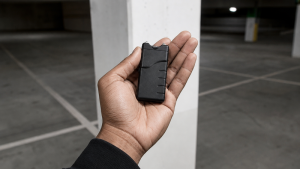
It can — and this distinction catches people off guard. A stun gun is a contact weapon. You press it against a person and deliver an electric charge. A Taser (TASER is the brand; the device category is often called a conducted energy weapon or CEW) fires probes on wires and can be used from a distance. Some states treat these as legally distinct devices and regulate them under different statutes.
In states where Tasers are classified as firearms for legal purposes — and some states do make that classification — a felon who cannot legally own a firearm also cannot legally own a Taser. That same analysis might not apply to a traditional contact stun gun in the same jurisdiction. The reverse is also possible: a state might restrict Tasers more loosely than stun guns, or vice versa.
If you want the full picture on how felons are treated specifically in the Taser context, we have a dedicated post on whether a felon can legally own a Taser that I’d recommend reading alongside this one. These two questions are related but they are not the same question, and you need to understand both before you make any decision.
What other self-defense options are available if a stun gun is off the table?
If you’ve determined that a stun gun is legally off-limits for you in your state — or you simply want to explore your full range of options — there are practical alternatives worth knowing about.
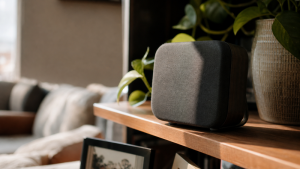
Personal alarms are available to virtually everyone. A 130dB personal alarm attached to your keychain or bag requires no license, no registration, no legal clearance. It works by drawing immediate attention to your situation — and that alone can de-escalate or deter a threat. These are especially solid options for people whose self-defense toolkit has legal restrictions.
Pepper spray is another option, though state laws vary here too — and some states restrict felons from possessing pepper spray just as they do stun guns. Check your state’s law on this one as well. But where it’s available, a quality defensive spray from brands like Wildfire, Mace, or Pepper Shot is a serious option, not a consolation prize.
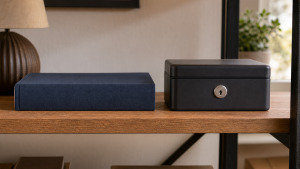
Diversion safes are not self-defense weapons, but they’re worth mentioning for people who are rebuilding their lives and need to protect valuables without drawing attention — a coffee can safe or similar diversion product is a smart, legal way to keep important items secure at home without any legal complications.
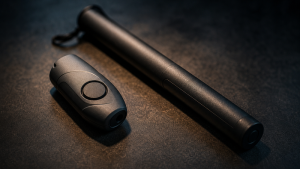
And for those who are clear on their legal standing and are shopping for a stun gun, our selection of pocket stun guns includes compact, powerful options that are easy to carry and conceal — and our full stun gun online store gives you access to everything we carry from brands like Streetwise, Runt, Bad Ass, and ZAP.
What happens if a felon is caught with a stun gun illegally?
The consequences are real and they’re serious. In states that restrict stun gun possession by felons, getting caught can result in new criminal charges — often classified as felony possession of a prohibited weapon. That’s not a slap on the wrist. That’s a new conviction, new prison time, and a deeper hole to climb out of.
I’m gonna tell you right now — no self-defense tool is worth that risk if you haven’t first confirmed you have the legal right to carry it. That’s not a reason to go unarmed. That’s a reason to do your homework first, find the tools you are legally permitted to carry, and carry those with confidence. The goal is to protect yourself and stay out of legal jeopardy at the same time. Those two things are not in conflict — but only if you approach this with discipline and knowledge.
Ignorance of the law is not a defense. It never has been. The people who get hurt by this are the people who assumed “non-lethal” meant “no restrictions.” That assumption costs people their freedom. Don’t be that person.
Frequently Asked Questions About Felons and Stun Guns
Does federal law ban felons from owning stun guns?
No. Federal law under 18 U.S.C. § 922(g) prohibits felons from possessing firearms, and stun guns are not classified as firearms under federal law because they don’t use explosive propellant. However, federal law does not preempt state laws — and many states have their own statutes that restrict or prohibit stun gun possession by felons. Your state’s law is the controlling authority here.
Can a felon carry a stun gun in Texas?
Texas has historically had relatively permissive stun gun laws and does not have a specific statute barring all felons from possessing stun guns under all circumstances. However, Texas law does restrict the carrying of certain weapons in certain locations and situations. Your specific conviction history and the nature of your felony may also factor into this analysis. Consulting a Texas criminal defense attorney is strongly recommended before carrying any weapon as a felon.
Is a Taser treated the same as a stun gun for felon possession purposes?
Not always — and this distinction is important. Some states classify Tasers differently than contact stun guns, and in states where Tasers are treated as firearms under state law, a felon is effectively barred from possessing them under the same statutes that bar firearm possession. Other states make no distinction. The answer depends on how your state’s statutes define and classify each device. Read the law carefully or consult an attorney.
What happens if a felon is caught with a stun gun in a state where it’s prohibited?
In states that explicitly restrict stun gun possession by felons, getting caught can result in new criminal charges — often felony-level charges for unlawful possession of a prohibited weapon. This can mean additional prison time, extended probation, and a worsening of the felon’s legal record. The consequences are serious and can be life-altering. This is not a risk worth taking without first verifying your legal standing.
Does the type of felony conviction affect whether a felon can have a stun gun?
In some states, yes. Certain state statutes draw distinctions between violent and non-violent felonies, or between felonies involving weapons and those that did not. In those states, a person convicted of a non-violent, non-weapons-related felony may have more legal flexibility than someone convicted of aggravated assault with a weapon. The specifics of your conviction — the charge, the state, and the sentence — all potentially factor into the analysis depending on how your state’s laws are written.
Can a felon use pepper spray instead of a stun gun?
Possibly — but pepper spray is also restricted for felons in some states, and you should check your state’s law on defensive sprays before carrying one. In states where pepper spray is legal for felons, it can be a serious and effective self-defense option. Brands like Wildfire, Mace, and Pepper Shot make quality defensive sprays that are not toys. But the same rule applies: verify your legal right to carry it before you carry it.
Where can I find out if my state bans felons from having stun guns?
Start with your state’s penal code or criminal statutes — specifically sections dealing with “dangerous weapons,” “electronic weapons,” “conducted energy devices,” or “prohibited weapons.” State legislature websites publish current statutes for free. Legal aid organizations and criminal defense attorneys in your state are also strong resources. If you are on probation or parole, your conditions of supervision may add additional weapon restrictions beyond what the general statute requires — review those conditions carefully.
Is there any non-lethal self-defense option that’s legal for virtually everyone, including felons?
Personal alarms are the closest thing to a universally legal option. A loud personal alarm — typically 120–130dB — requires no permit, no registration, and is not classified as a weapon in any U.S. state. It works by drawing immediate attention to your situation and deterring threats. It won’t stop a determined attacker the way a stun gun might, but it has zero legal risk associated with it and is better than nothing when other options are off the table.
Know the Law, Then Carry With Confidence
Here’s where I land on this: the question of whether a felon can have a stun gun does not have one universal answer — but it absolutely has a definitive answer for your specific situation in your specific state. Find that answer. Do not guess. Do not assume that “non-lethal” means “no legal risk,” because in plenty of jurisdictions, that assumption is dead wrong and the consequences are severe.
If you’ve done the work, confirmed your legal standing, and you’re ready to carry something that can protect you, browse our full line of stun guns available to order — including compact options, flashlight combos like the stun gun flashlight combo, and everything in between. And if you’re still working through the legal landscape, keep reading, keep researching, and carry a personal alarm in the meantime. Stay safe out there.