How To Use Home Security System for Vacation Homes
When you’re weighing options for your home security system, it’s essential to consider both your property’s unique vulnerabilities and the latest in security technology. You might ask yourself whether a traditional monitored alarm system suffices, or if a smart system with remote capabilities could offer better peace of mind. Imagine checking your property’s security from your smartphone, no matter where you are. But how reliable are these systems in real-world scenarios, and what should you be wary of before making a decision? Let’s explore the potential pitfalls and effective strategies to protect your getaway haven.
How To Assess Your Security Needs?
Before you choose a security, assess your specific security needs. Consider the location of your vacation home; is it in a high-crime area or perhaps isolated? Each scenario has its unique risks. You also need to think about the times of the year your property is vacant. Homes that sit empty for seasons at a time might attract unwanted attention, making robust security a necessity.
Next, evaluate what you’re protecting. Are there valuables such as electronics, artwork, or expensive furnishings inside? Or is your primary concern the property itself against trespassers and vandals? Your answer will guide your choices.
Don’t forget to factor in the physical characteristics of your home. Larger properties with multiple entrances or outbuildings may require a more comprehensive system. If your vacation home is part of a community with shared amenities, check if there are already security measures in place you can connect to or enhance.
Lastly, consider how much you’re willing to be involved. Do you prefer a hands-off approach where everything is managed for you, or are you okay with a system that might require more personal management? Knowing your level of engagement can help tailor the security system to be as convenient as possible for you.
What Types of Security Systems I Need?
Once you’ve assessed your needs, you can explore the different types of security systems available for your vacation home. It’s crucial to understand the options to find the best fit for your property’s specific requirements.
Firstly, consider traditional alarm systems. These systems are hardwired into your home and typically monitored by a central station. They’ll alert you and the authorities if there’s a breach. They’re reliable but require professional installation and often come with a monthly subscription fee.
If you’re looking for something less intrusive and more cost-effective, wireless security systems might be up your alley. These systems use battery-powered sensors that communicate with a central hub via Wi-Fi or cellular connections. They’re easier to install and often customizable, allowing you to add or remove components as needed.
Another option is the unmonitored security system. Unlike monitored systems, these don’t send alerts to a monitoring center but instead rely on loud sirens or flashing lights to deter intruders and alert nearby residents or passersby.
Lastly, consider hybrid systems, which combine elements of both hardwired and wireless systems. These offer flexibility in installation and can be tailored to include the best features of each system type, providing robust security tailored to your vacation home’s specific needs.
What Does Smart Alarm Systems Offer Me?
Smart alarm systems offer you advanced control and connectivity, seamlessly integrating with other home automation features. You can manage your vacation home’s security from anywhere using just your smartphone or tablet. Imagine you’re miles away and you want to ensure everything’s locked up tight; a smart alarm system lets you do just that with a simple tap.
What’s more, these systems can adapt to your needs. You can set personalized codes for family members or guests, and get alerts whenever someone enters or exits the property. This way, you’re not just informed, you’re in control.
You’ll also appreciate how smart alarms are proactive in protecting your property. With features like motion detectors and door/window sensors, the system can trigger an alarm before an intruder even enters. Plus, they often include professional monitoring services that can notify local authorities in case of a break-in.
Installing a smart alarm system isn’t just about safety; it’s about peace of mind. Knowing that your vacation home is secure lets you relax and enjoy your time away.
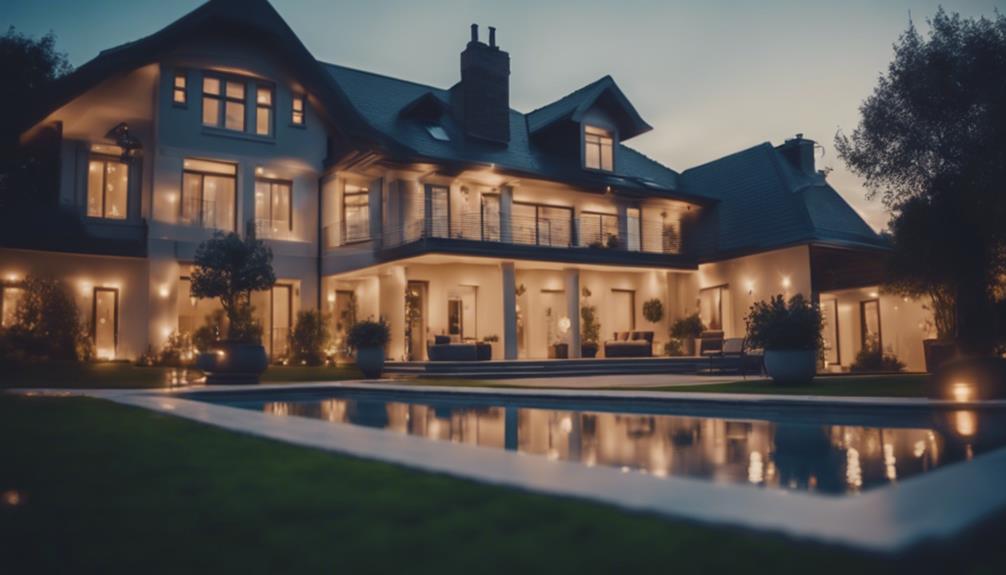
House With Home Security System
What Are My Surveillance Camera Options?
Adding surveillance cameras enhances your vacation home’s security by providing real-time visual monitoring. You’ve got a variety of options to choose from, each suited to different needs and preferences. Let’s dive into some of the most effective types available.
Firstly, consider weather-resistant outdoor cameras. These are essential for monitoring the perimeter of your property, regardless of harsh weather conditions. They’re durable and can function effectively in rain, snow, or extreme heat, keeping an eye on your vacation home year-round.
Indoor cameras are another great option. These are particularly useful for checking on the interior of your home, perhaps to monitor service personnel like cleaners or to just keep an eye on things while you’re away. Many models come with motion detection technology, which only records when activity is detected. This saves storage space and reduces the hours of footage you’d need to review.
For discreet monitoring, you might opt for hidden cameras. These can be camouflaged as everyday objects like clocks or smoke detectors, offering an unobtrusive way to keep tabs on your property without altering its aesthetic.
Choosing the right cameras depends on your specific security concerns and the layout of your vacation home. Make sure you assess your needs thoroughly before making a decision.
What Are Remote Monitoring Features?
Remote monitoring features allow you to oversee your vacation home from anywhere, using just your smartphone or computer. This technology is essential, especially if you can’t be physically present to check on your property. With real-time video feeds, you’re able to monitor who comes in and out of your home, ensuring that only authorized individuals have access.
You’ll receive instant alerts if the system detects any unusual activity, such as unexpected entry attempts. This quick notification allows you to respond swiftly, perhaps by alerting local authorities or a neighbor to check the situation.
Besides security alerts, you can also control various aspects of your home remotely. For instance, you’re able to adjust lighting, manage the heating system, or even lock and unlock doors directly from your device.
These features don’t just provide peace of mind; they also help in managing your property efficiently. Suppose you’re expecting guests or a service provider; you can let them in remotely without needing a physical key exchange.
Choosing a system with comprehensive remote capabilities ensures you’re always in the loop, no matter where you are. This way, your vacation home remains secure, managed, and under constant supervision, all from the palm of your hand.
Why Environmental Hazard Detection Is Important?
Beyond monitoring for unauthorized access, your system can also detect environmental hazards like smoke, flooding, or carbon monoxide buildup in your vacation home. These features are crucial, especially since you’re not always there to check on things yourself.
Smoke detectors in your security setup provide early warnings of fire, possibly saving your property from significant damage. They’re designed to alert you the moment smoke is detected, allowing you to respond quickly even when you’re miles away.
Similarly, water sensors can be a godsend, detecting the first signs of flooding due to leaks or broken pipes. Installing these sensors near water-prone areas, like bathrooms, kitchens, and basements, ensures you’re informed at the earliest sign of trouble.
Carbon monoxide detectors are another essential element. This colorless, odorless gas can be lethal if unnoticed, and since symptoms of poisoning are often flu-like, it’s easy to misdiagnose yourself without these sensors. Having them integrated into your home security system ensures that you’ll be alerted immediately if CO levels start to rise, providing a chance to address the issue before it becomes hazardous.
Incorporating these detectors enhances your home’s safety manifold, ensuring peace of mind while protecting your valuable investment.
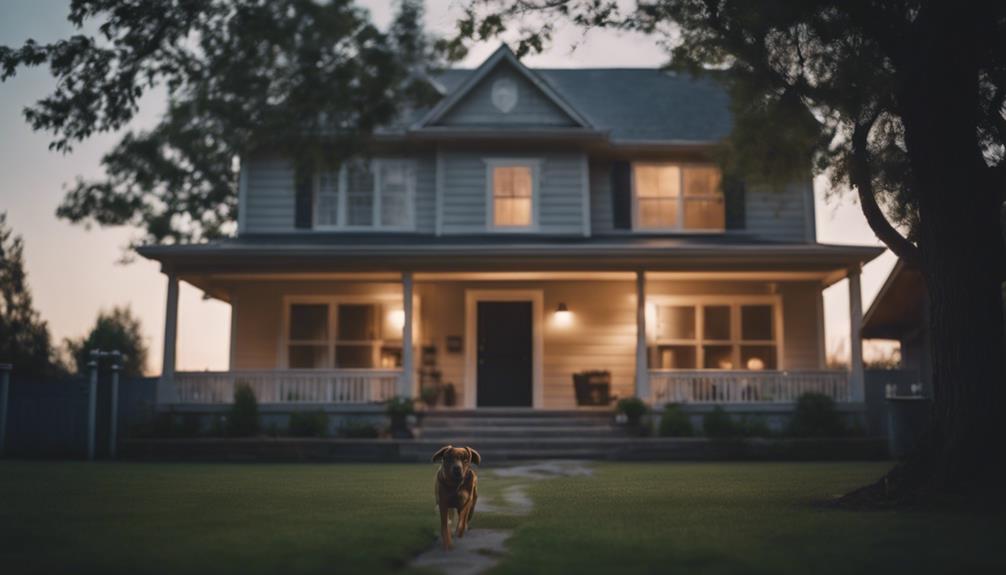
Large House With Home Security System
How To Maintain Security Remotely?
You can ensure the security of your vacation home from anywhere using a reliable remote monitoring system. This technology lets you keep an eye on your property through live video feeds accessible via your smartphone or computer. You’ll receive instant alerts if the system detects unusual activity, allowing you to respond promptly whether you’re at home or halfway around the world.
Investing in a system that integrates with other smart home features is also wise. You can control lights, locks, and even thermostats remotely, making it appear as though your home is occupied, which is a proven deterrent to burglars. Additionally, automated systems can manage utilities efficiently, reducing the risk of damage from issues like frozen pipes or electrical fires, which are a concern when homes sit empty.
Don’t forget to set up regular maintenance checks for your security equipment. Cameras and sensors need periodic updates and physical inspections to ensure they function correctly. You might also consider a service that provides on-ground checks, offering an extra layer of security and peace of mind.
Conclusion
In wrapping up, it’s essential you tailor your vacation home’s security to its unique risks. Opt for a system that blends traditional security with modern smart tech for optimal control.
Don’t overlook the power of surveillance cameras and remote monitoring to keep an eye on your property from afar.
Incorporating environmental hazard detection will also safeguard against unexpected incidents.
By taking these steps, you’ll ensure your vacation home remains secure and gives you peace of mind, no matter where you are.
With over 25 years in the Self Defense Industry, Jose Diaz has provided lots of advise to those seeking to protect themselves against danger. Jose is a hard working individual who has use his skills to address the many faults of self protection in our society. As a father, Grandfather and a Great grandfather he wants to keep his family safe. This is why he has created his business, "Brainstorm Security Shop". He wants to provide people with a choice to defend themselves in case of a personal attack. His self-defense gadgets, like stun guns, pepper sprays, knifes, personal alarms and others will provide protection against any attacker. Please take a look at his products since very well can save your life in case of a personal attack. May you and your loved ones be safe and enjoy a long and prosperous life.