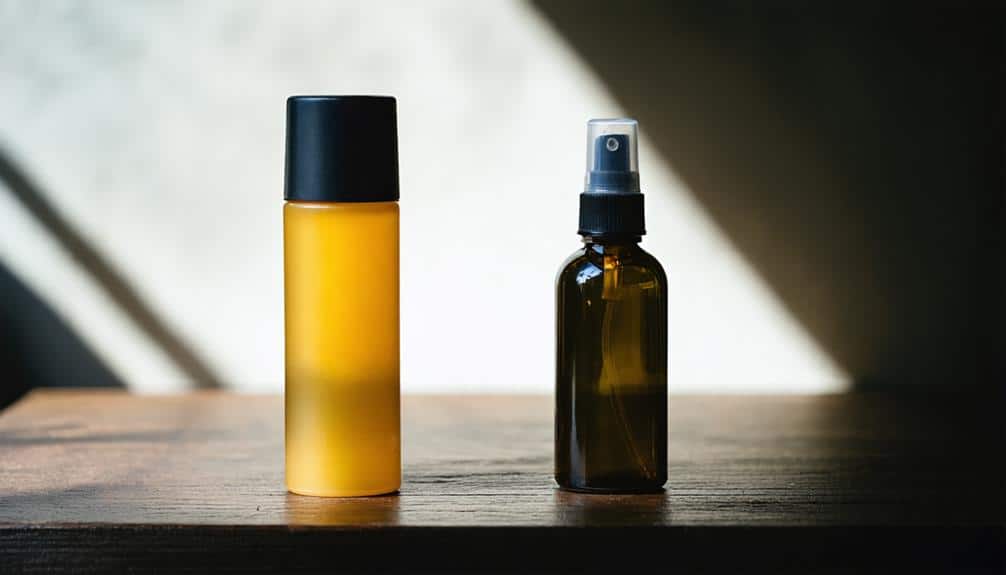
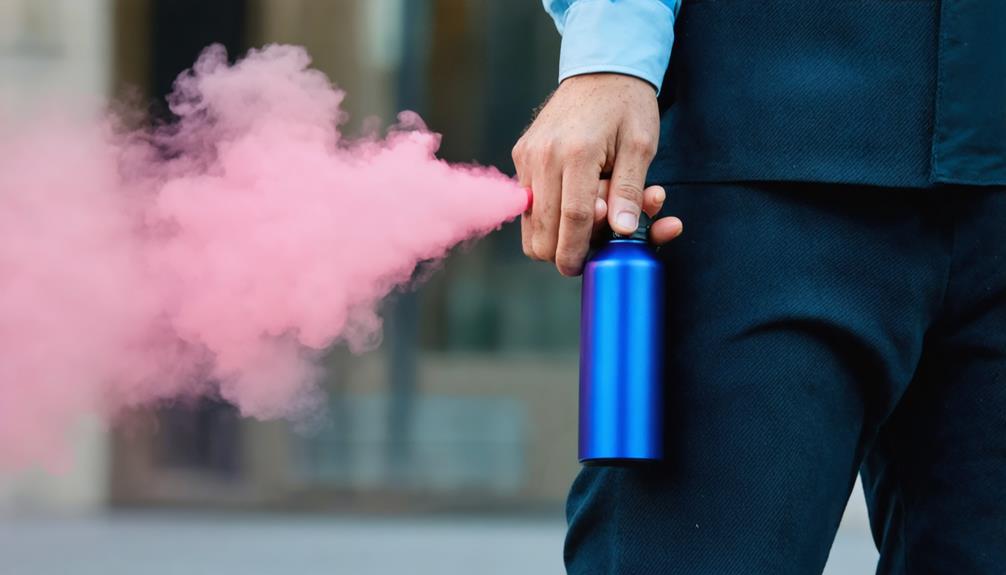
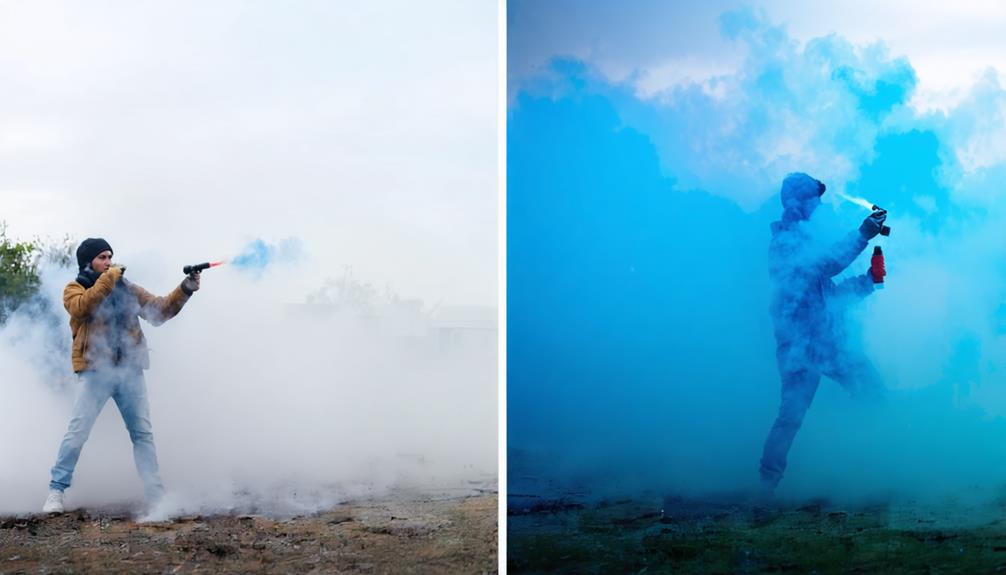
The debate between pepper gel and spray as self-defense tools is a nuanced one, with both options offering distinct benefits and limitations. Pepper gel is lauded for its precision and resistance to wind, making it a suitable choice for use in crowded settings. On the other hand,pepper spray is valued for its ability to cover a broader area and engage multiple threats simultaneously. However, environmental factors like wind can influence its effectiveness. As individuals assess their personal safety strategies, understanding these key differences is crucial. Find them at brainstormsecurityshop.com/ at very low prices! What factors should ultimately influence your choice in self-defense tools?
Key Differences
When comparing pepper gel and spray, one of the key differences lies in their composition and delivery mechanism.
Pepper gel is formulated as a thicker substance, which results in a more targeted and precise application. This viscous nature allows it to adhere to surfaces, reducing the risk of wind blowback—a concern in windy or enclosed environments.
Conversely, pepper spray is typically an aerosolized mist, which can disperse widely, potentially affecting unintended targets or even the user under adverse conditions.
In terms of formulation differences, the primary active ingredient in both is oleoresin capsicum, derived from hot peppers. However, the carrier agents and viscosities vary between the two, influencing their behavior upon deployment.
The gel’s thicker composition allows it to maintain its potency over a specific area, making it suitable for precise application scenarios where accuracy is paramount.
Application scenarios further highlight the divergence between these two self-defense tools.
Pepper gel is often preferred in close-quarters or crowded settings, where precision is essential. In contrast, pepper spray is more suited for open spaces where a broader dispersal can help deter multiple threats.
Understanding these distinctions is crucial for selecting the appropriate tool for specific self-defense needs.
Benefits of Pepper Gel
Offering a range of advantages, pepper gel stands out as a preferred choice for self-defense due to its precise application and reduced risk of wind blowback. Unlike traditional pepper spray, the unique pepper gel formulation ensures that users can target threats with greater accuracy, minimizing the potential for unintended exposure to bystanders. The gel’s sticky consistency allows it to adhere to the target, enhancing its effectiveness while reducing the chance of dispersal in windy conditions.
Additionally, pepper gel storage is convenient and practical, as it typically comes in compact containers that are easy to carry in a purse, pocket, or vehicle. This ensures that individuals can have quick access to their self-defense tool when needed. Moreover, pepper gel often has a longer shelf life compared to spray variants, providing a reliable option for long-term safety planning.
Feature
Benefit
Precise Application
Targets specific threats
Wind Resistance
Minimizes blowback risks
Gel Consistency
Adheres to target effectively
Compact Storage
Easy to carry and store
Longer Shelf Life
Reliable over time
Advantages of Pepper Spray
Pepper spray offers significant advantages, particularly in terms of its effective range and immediate incapacitation effects.
Its ability to project a concentrated mist allows users to maintain distance from an assailant, enhancing personal safety.
Furthermore, the rapid reaction of individuals exposed to the spray underscores its efficacy in quickly neutralizing potential threats.
Effective Range Distance
Although both pepper gel and spray serve as effective self-defense tools, pepper spray holds a distinct advantage in terms of effective range distance. The ability to engage a potential threat from a safe distance is crucial in self-defense situations, and pepper spray offers users a comparatively greater effective range.
When evaluating the distance comparison between these two tools, pepper spray typically reaches targets from a range of 8 to 12 feet, depending on the specific product and delivery mechanism. This extended reach allows individuals to maintain a safer distance from an assailant, reducing the risk of physical confrontation.
In contrast, pepper gel, while offering benefits such as reduced blowback and increased accuracy, generally possesses a shorter effective range. Users of pepper gel might find themselves needing to be closer to the threat, which can potentially compromise their safety.
The extended effective range of pepper spray provides a strategic advantage, enabling a defensive action without necessitating close proximity to the threat. Moreover, this longer range can offer a greater margin of error, allowing users to aim more effectively under stress.
Immediate Incapacitation Effects
Beyond the advantages of effective range, another critical aspect of pepper spray is its ability to deliver immediate incapacitation effects. This feature is paramount when considering self-defense options, as it can deter an assailant instantly, allowing the user crucial time to escape or seek help.
The formula in pepper spray is designed to target the eyes, nose, and respiratory system, causing a severe burning sensation, temporary blindness, and difficulty breathing—hallmarks of effective incapacitation methods.
The swiftness with which pepper spray acts can be attributed to its active ingredient, capsaicin, which irritates mucous membranes and skin upon contact. Its immediate effects are especially advantageous in high-stress situations where time is of the essence.
To further elaborate, here are some critical points about pepper spray’s incapacitation capabilities:
Rapid Onset: Within seconds, attackers experience debilitating effects, rendering them unable to continue aggressive actions.
Non-lethal: While highly effective at stopping threats, pepper spray is designed to be a non-lethal option.
Wide Applicability: Suitable for use against both human and animal threats.
Ease of Use: The straightforward spray mechanism allows for quick deployment under pressure.
These attributes underscore pepper spray’s effectiveness as a self-defense tool.
Drawbacks of Gel and Spray
When evaluating personal defense options, it is important to consider the drawbacks associated with both pepper gel and spray. A primary concern for both methods is the application limitations they present.
Pepper spray, while effective in dispersing a wide mist, can be significantly impacted by environmental factors such as wind. This can not only reduce its reach but also increase the risk of self-contamination.
Alternatively, gel, though less susceptible to wind, requires more precise aiming due to its stream-like discharge, potentially challenging in high-stress situations.
User handling is another critical factor influencing effectiveness. Both gel and spray require practice to ensure proper deployment. Users must be adept at swiftly removing the safety lock and accurately discharging the contents.
This can be particularly problematic under duress, where adrenaline and stress might impair motor skills. Additionally, the gel’s thicker consistency can complicate cleanup if inadvertently deployed, whereas spray can disperse and linger in an area, affecting unintended targets.
Situational Use Cases
When choosing between pepper gel and spray, it is crucial to consider the specific environment in which they will be used.
In urban settings, factors such as wind direction and bystander safety play a significant role, whereas outdoor areas might require solutions that account for distance and environmental conditions.
Additionally, personal safety scenarios demand an understanding of the rapidity and precision needed for effective self-defense.
Urban Environment Considerations
Navigating the complexities of personal safety in urban environments requires a keen understanding of situational use cases, particularly when choosing between pepper gel and spray.
Urban safety often demands quick, effective self-defense strategies due to the high population density and potential for close encounters. Pepper gel and spray each offer unique benefits and limitations in such settings, making it essential to evaluate their suitability for densely populated areas.
In urban environments, pepper gel is often preferred for its precision and reduced risk of affecting bystanders due to its thicker consistency. This makes it ideal for crowded areas where unintended exposure could pose significant risks.
Conversely, pepper spray, with its wider dispersal, might be more effective in deterring multiple threats but requires caution due to its potential to impact non-targets.
Key considerations for using pepper gel or spray in urban settings include:
Proximity to bystanders: Choose gel to minimize collateral exposure.
Wind conditions: Opt for gel to avoid spray blowback.
Space constraints: Gel’s targeted application suits confined areas.
Multiple assailants: Spray can cover a broader area, though with increased risk to others.
Selecting the appropriate self-defense tool hinges on understanding these nuances to ensure effective urban safety.
Outdoor Area Applications
In outdoor areas, the choice between pepper gel and spray hinges on specific environmental factors and potential threats. For individuals seeking effective self defense techniques, understanding the nuances of these tools in open environments is crucial.
Wind conditions, for instance, can greatly influence the efficacy of pepper spray. In breezy settings, the fine mist of a spray is more likely to be diverted, potentially affecting unintended targets or failing to reach the attacker. Conversely, pepper gel, with its heavier and more directed stream, offers enhanced control and reduced risk of blowback, making it a preferred option for outdoor safety.
In scenarios where accuracy and distance are crucial—such as facing an aggressive animal or a distant assailant—pepper gel’s extended range can be advantageous. Its formulation allows it to adhere to the target, providing a more concentrated effect.
Moreover, outdoor enthusiasts, hikers, and campers might find pepper gel more suitable due to its resistance to environmental interference. It is also less likely to contaminate the surrounding air, ensuring that self defense measures do not compromise the safety of bystanders.
Ultimately, in outdoor applications, choosing between gel and spray requires careful consideration of both environmental conditions and the specific nature of potential threats.
Personal Safety Scenarios
Selecting the right self-defense tool requires a keen understanding of various personal safety scenarios. Whether navigating crowded urban environments or traversing isolated trails, individuals must evaluate self-defense techniques in the context of their specific needs.
Pepper spray and gel each present distinct advantages depending on situational factors. For instance, pepper spray disperses quickly, making it ideal for scenarios involving multiple assailants. Conversely, pepper gel’s targeted application minimizes risk to bystanders, which is crucial in crowded settings.
Before choosing between these tools, it is essential to consider legal considerations. Laws governing the use of self-defense products vary significantly between jurisdictions, impacting their legality and the amount permissible for personal possession. Understanding these regulations helps prevent unintended legal repercussions.
Key personal safety scenarios where pepper gel or spray may be applicable include:
Urban Commutes: Navigating crowded public transport or streets where bystanders are present.
Home Defense: Addressing potential intruders while minimizing indoor contamination.
Outdoor Recreation: Providing protection while hiking or camping in isolated areas.
Professional Environments: Ensuring safety in workplaces where security is a concern.
Appropriate selection and application of these self-defense tools can significantly enhance personal safety, provided users are informed of both strategic and legal factors.
Making the Right Choice
When considering personal safety tools, understanding the distinctions between pepper gel and spray is crucial for making an informed decision. Both options offer viable self-defense techniques and enhance personal protection, yet they possess unique characteristics that may influence your choice.
Pepper spray, traditionally favored for its wide dispersion and immediate impact, is effective in creating a substantial barrier against an assailant. Its aerosol form allows for quick deployment, making it suitable for open environments. However, its susceptibility to wind can pose challenges, potentially affecting both the user and the target.
On the other hand, pepper gel provides a more directed stream, reducing the risk of blowback and enhancing accuracy. This makes it ideal for personal protection in crowded or indoor settings. The gel adheres to the target, prolonging its incapacitating effects, which can be a decisive factor in high-stakes situations. Additionally, the less volatile nature of gel minimizes the risk of accidental exposure.
Ultimately, the decision between pepper gel and spray should reflect individual lifestyle needs and typical environments. Those frequently in open spaces might lean towards spray, whereas individuals in urban or enclosed areas may prefer gel for its precision and control.
To maintain effectiveness, proper storage conditions for both products are crucial. Store them in a cool, dry place, away from direct sunlight, to preserve their shelf life and ensure reliable performance when needed.
What Are the Legal Restrictions on Carrying Pepper Gel and Spray in Different Regions?
Legal definitions regarding self-defense tools vary across regions, influencing the permissible use and possession of pepper-based substances. Regional differences dictate specific restrictions, such as age limits, quantity limits, and required permits for carrying these items.
Can Pepper Gel or Spray Cause Permanent Damage if Used Incorrectly?
Improper use can lead to significant health risks, including potential respiratory distress or ocular damage. Adherence to usage guidelines is crucial to minimize risk and ensure safety, preventing any long-term or permanent harm when deploying these substances.
How Can I Safely Dispose of Expired Pepper Gel or Spray Canisters?
Proper disposal methods for expired self-defense canisters are crucial to minimize environmental impact. Consult local waste management guidelines for hazardous materials, or contact the manufacturer for specific disposal instructions to ensure compliance with environmental regulations.
Are There Any Specific Brands Recommended for First-Time Users of Pepper Gel or Spray?
For first-time users, brand comparisons are crucial. User reviews highly commend SABRE and Mace for their reliability and ease of use. Beginner-friendly options from these brands ensure effective self-defense, supported by positive feedback from consumers.
Conclusion
The decision between pepper gel and pepper spray should be informed by an understanding of their distinct characteristics and situational appropriateness. Pepper gel’s precision and reduced blowback risk make it suitable for crowded environments, while pepper spray’s broad dispersal is advantageous for defending against multiple threats from a distance. Awareness of environmental factors, such as wind, is crucial. Ultimately, selecting the appropriate self-defense tool requires careful consideration of individual safety needs and the specific contexts in which these tools may be employed.
With over 25 years in the Self Defense Industry, Jose Diaz has provided lots of advise to those seeking to protect themselves against danger. Jose is a hard working individual who has use his skills to address the many faults of self protection in our society. As a father, Grandfather and a Great grandfather he wants to keep his family safe. This is why he has created his business, "Brainstorm Security Shop". He wants to provide people with a choice to defend themselves in case of a personal attack. His self-defense gadgets, like stun guns, pepper sprays, knifes, personal alarms and others will provide protection against any attacker. Please take a look at his products since very well can save your life in case of a personal attack. May you and your loved ones be safe and enjoy a long and prosperous life.