In today’s society, where encounters with dogs are commonplace, understanding how to protect oneself from a potential dog attack is of paramount importance. Recognizing aggressive behavior, such as growling or a tense posture, can be the first line of defense in preventing an incident. It’s crucial to maintain a safe distance and be aware of the subtle cues that may indicate a shift in the dog’s demeanor. Visit brainstormsecurityshop.com/ for very low prices. Employing calm body language and avoiding direct eye contact are fundamental strategies. But what other techniques can be employed to ensure safety in such unpredictable situations? The answer may surprise you.
Recognizing Aggressive Behavior
Recognizing aggressive behavior in dogs is crucial for preventing potential attacks and ensuring safety. Understanding the nuances of canine aggression involves identifying warning signs that may manifest as growling, snapping, or snarling. These indicators often precede a more serious threat, providing an opportunity to prevent escalation.
Observing a dog’s posture is essential; a tense, rigid stance or direct, fixed stare can signify aggression. Additionally, raised hackles, bared teeth, or a curled lip are clear visual cues that a dog is feeling threatened or defensive.
Moreover, breed behavior traits can influence how aggression is expressed. While no breed is inherently dangerous, some breeds may exhibit specific tendencies due to their historical roles and genetic predispositions. For instance, herding dogs might display protective instincts, while terriers can be more reactive to perceived intrusions. Recognizing these breed-specific traits aids in assessing the likelihood of aggressive behavior.
It is important for individuals around dogs, whether pet owners or casual passersby, to educate themselves on these signs. By doing so, one can take appropriate action to mitigate any potential threats and create a safer environment for both humans and dogs.
Understanding these elements is a key step in fostering harmonious interactions.
Maintaining a Safe Distance
Maintaining a safe distance from unfamiliar dogs is a fundamental practice in preventing potential attacks and ensuring personal safety. Understanding dog behavior is crucial, as dogs may react unpredictably when approached by strangers. Even well-trained dogs can experience anxiety or fear when faced with unfamiliar situations or people. Therefore, it is essential to respect their space and observe their body language from a distance.
Leash training plays a significant role in managing encounters with dogs. Owners who have successfully leash-trained their pets provide a layer of control that can prevent unwanted interactions. However, it is important to remember that not all dogs are on leashes, and some may roam freely, increasing the risk of unexpected encounters. Keeping a safe distance allows the dog to feel less threatened and reduces the likelihood of aggression.
Additionally, maintaining a buffer zone helps in assessing a dog’s behavior. Observing signs such as raised hackles, growling, or a stiff posture from afar can provide vital information about a dog’s mood and intentions. By respecting these cues and keeping a safe distance, individuals can protect themselves while allowing the dog to remain within its comfort zone, thus minimizing potential conflicts.
Using Calm Body Language
Understanding the importance of distance lays the groundwork for employing calm body language when interacting with unfamiliar dogs. Maintaining a relaxed demeanor and appropriate body posture can significantly influence a dog’s perception of you, reducing the likelihood of an aggressive response. The way we position our bodies can communicate our intentions and emotional state to the canine, which inherently reads human cues through body language.
To effectively use calm body language, consider the following guidelines:
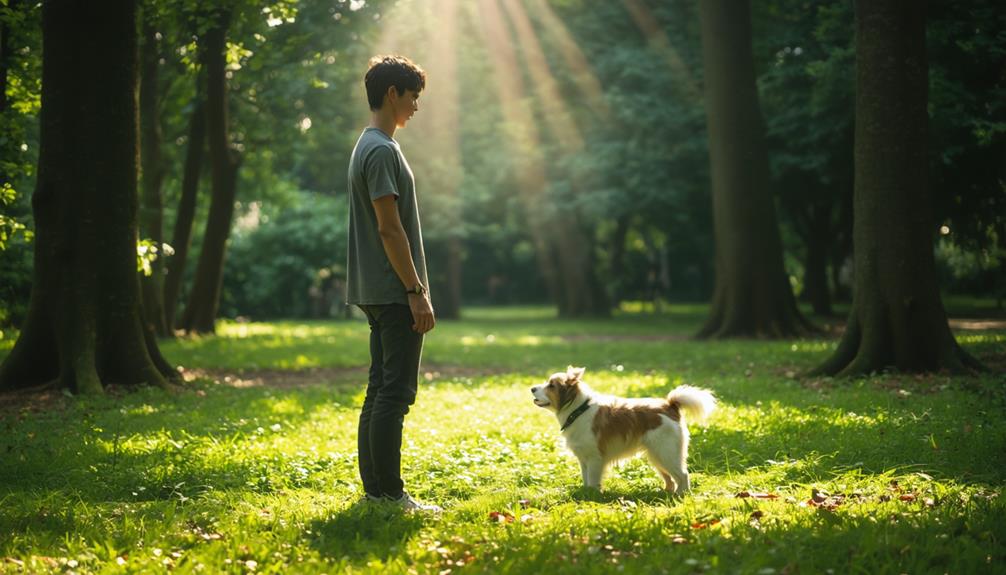
Stand Sideways: Positioning yourself sideways rather than facing directly can be less threatening to a dog, signaling non-aggression.
Keep Movements Slow and Deliberate: Sudden or erratic movements can provoke anxiety or defensive behavior in dogs.
Relax Your Shoulders: Tension in your shoulders can be misinterpreted as stress or threat; keeping them relaxed conveys calmness.
Bend at the Knees, Not the Waist: If you need to lower yourself, bending at the knees rather than the waist is less imposing and maintains a non-confrontational stance.
Adopting a relaxed demeanor with controlled body posture not only helps prevent potential dog attacks but also fosters a sense of security and trust.
Understanding and implementing these non-verbal cues can be pivotal in ensuring safe and positive encounters with dogs.
Avoiding Direct Eye Contact
Avoiding direct eye contact is a crucial strategy when interacting with unfamiliar dogs, as it can be perceived as a challenge or threat. This aspect of dog behavior is deeply rooted in their natural instincts and social structures.
In canine communication, maintaining direct eye contact is often a sign of dominance or aggression. When a dog feels threatened or challenged, it may react defensively, potentially leading to an aggressive encounter. Thus, understanding and respecting this form of communication is essential for ensuring safety around dogs.
When encountering an unfamiliar dog, it is advisable to avert your gaze slightly, focusing on the dog’s body language rather than its eyes. This approach communicates a non-threatening, submissive demeanor, which can help the dog feel more at ease.
Observing the dog’s body language provides valuable insights into its intentions and emotional state, allowing a person to respond appropriately.
Furthermore, maintaining a relaxed posture and using a calm voice can reinforce the message of non-aggression. By heeding these aspects of dog behavior and canine communication, individuals can significantly reduce the likelihood of provoking a defensive or aggressive reaction, thereby promoting a safer interaction with unfamiliar dogs.
Utilizing Barriers and Objects
While understanding canine communication is vital for preventing aggressive encounters, employing physical barriers and objects can further enhance personal safety during interactions with unfamiliar dogs. This strategy is particularly useful as different dog breeds possess varying levels of strength and temperament, which can influence their response during stressful situations.
Utilizing barriers and objects effectively can act as a significant deterrent, providing a crucial pause in potentially dangerous scenarios.
Here are some practical considerations for utilizing barriers and objects for attack prevention:
Use everyday items: Carry an umbrella or a backpack. These can be held out in front to create a physical barrier, discouraging the dog from approaching too closely.
Seek natural barriers: Position yourself behind trees, benches, or vehicles. These objects can serve as sturdy shields, offering protection from direct contact.
Throw distractions: Toss an item such as a water bottle or hat away from you to divert the dog’s attention and provide a moment to retreat safely.
Leverage your environment: Utilize fences or gates to create space between you and the dog, buying time to assess the situation and seek assistance if necessary.
Employing Verbal Commands
Mastering verbal commands can be a valuable asset in preventing and managing dog attacks. When an individual encounters a potentially aggressive dog, the ability to effectively employ verbal commands can serve as a critical line of defense. These commands, when delivered with authority and confidence, can interrupt a dog’s aggressive behavior and redirect its attention. The key lies in understanding and utilizing appropriate training methods that focus on clear, concise commands, such as “sit,” “stay,” or “no.”
Training methods that emphasize command consistency are essential. Consistent use of commands ensures that the dog recognizes and responds to them, even in stressful situations. Practicing these commands in various environments enhances their reliability, as the dog becomes accustomed to responding regardless of distractions. This consistency not only aids in managing aggression but also strengthens the overall communication between humans and dogs.
It is crucial, however, to remain calm and assertive when issuing verbal commands. A composed demeanor can significantly influence the dog’s response, as animals are adept at sensing human emotions.
Understanding Defensive Techniques
When faced with an aggressive dog, maintaining a safe distance is crucial to minimizing potential harm.
Positioning yourself behind a protective barrier, such as a fence or vehicle, can create a physical shield that further reduces the risk of an attack.
These defensive techniques are essential components of personal safety strategies and can significantly enhance your ability to manage threatening encounters.
Maintain Safe Distance
Establishing a safe distance is the first and most crucial defensive technique when faced with a potentially aggressive dog. Recognizing changes in dog behavior is essential for assessing the situation and determining the appropriate distance to maintain.
Dogs often exhibit warning signs such as growling, bared teeth, or raised hackles, signaling discomfort or aggression. Understanding these indicators allows individuals to act swiftly and strategically to protect themselves.
To effectively maintain a safe distance, consider the following guidelines:
Observe Body Language: Pay attention to the dog’s posture, tail position, and facial expressions, as these can provide insights into its current state of mind.
Avoid Direct Eye Contact: Directly staring at a dog may be perceived as a threat, potentially escalating the situation. Instead, keep your gaze soft and avert your eyes to convey non-aggression.
Use Safety Equipment: Carrying items such as a whistle or personal alarm can serve as deterrents, helping to distract the dog and create an opportunity to increase distance.
Move Slowly: Abrupt movements can provoke a dog’s chase instinct. By moving deliberately, you can minimize the risk of triggering an attack.
Implementing these measures enhances personal safety, providing individuals with a proactive approach to managing potentially dangerous encounters with dogs.
Use Protective Barriers
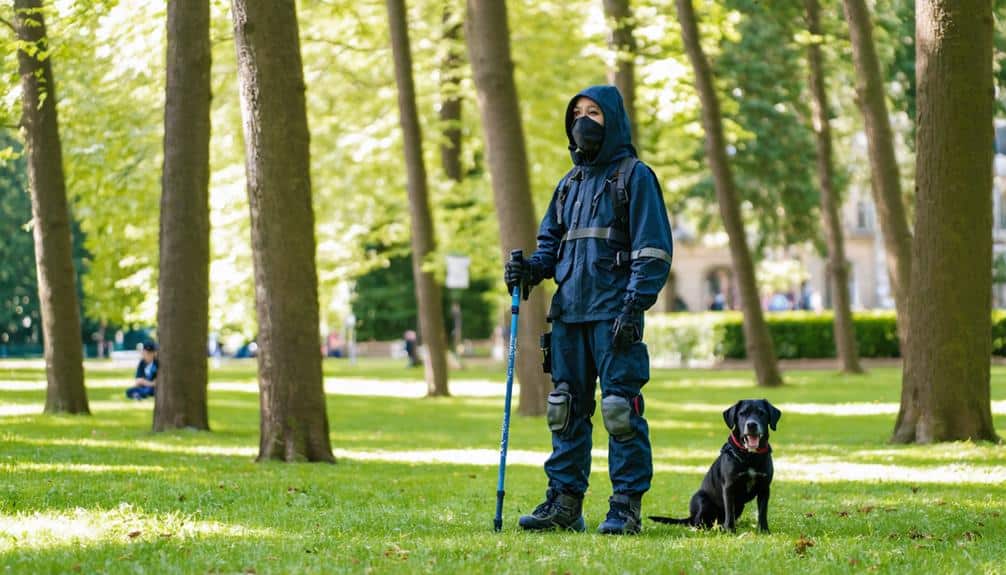
Some individuals find that using protective barriers is a vital defensive technique when confronted by an aggressive dog. Protective barriers serve as an immediate physical separation between the individual and the threatening animal, thereby reducing the risk of injury. These barriers can be anything readily available in the environment, such as a backpack, bicycle, or even a trash can lid, which can effectively block an advancing dog.
Understanding the behavior of different dog breeds is crucial, as some breeds may display more aggressive tendencies under stress or provocation. For example, breeds with a strong protective instinct may require more robust safety measures to deter an attack successfully. Therefore, being aware of the breed characteristics can inform the choice of appropriate safety equipment and techniques.
Utilizing specific safety equipment, such as an umbrella or a walking stick, can serve dual purposes—providing a physical barrier and a psychological deterrent. An umbrella, when opened suddenly, can startle the dog and create a space buffer.
The key is to remain calm and assertive while using these barriers, as panic can exacerbate the situation. Ultimately, the goal of using protective barriers is to ensure personal safety without causing unnecessary harm to the animal.
Seeking Medical Attention
After experiencing a dog attack, prioritizing medical attention is crucial to address both immediate injuries and potential complications.
Prompt assessment by a healthcare professional ensures that initial symptoms, such as bleeding, swelling, or pain, are effectively managed. Additionally, medical intervention can mitigate long-term effects like infection or scarring. Dog bites can introduce bacteria into the body, leading to severe infections if left untreated.
Moreover, identifying the need for a tetanus booster or rabies vaccination is vital, especially if the dog’s vaccination status is unknown.
Seeking medical attention immediately offers several advantages:
Wound Assessment and Cleaning: Proper evaluation and cleaning of the wound reduce the risk of infection and promote faster healing.
In the event of a dog attacking your pet, prioritize pet safety by observing dog behavior to assess the situation. Use a firm voice to distract the aggressor and create a safe distance between the animals if possible.
How Can I Identify a Potentially Dangerous Dog Breed?
To identify potentially dangerous dog breeds, observe body language cues such as aggression or fear. Familiarize yourself with breed characteristics, as some breeds inherently possess traits that may contribute to unpredictable behavior in certain situations.
Is Carrying Dog Repellent Spray Effective for Defense?
Carrying dog repellent spray can be effective in deterring aggressive dogs, potentially enhancing personal safety. However, understanding its limitations and complementing it with other safety precautions is crucial for comprehensive protection against potential dog attacks.
Are There Specific Training Classes for Handling Dog Encounters?
Training classes focused on dog behavior and encounter tactics exist to equip individuals with the skills necessary for safely managing dog interactions. These classes emphasize understanding canine cues and employing effective strategies to mitigate potential conflicts.
How Can I Report a Dangerous Dog in My Neighborhood?
To report a dangerous dog in your neighborhood, contact local authorities such as animal control or the police department. Familiarize yourself with reporting procedures to ensure accurate and prompt communication regarding the potential threat.
Conclusion
Understanding and implementing strategies to prevent and respond to dog attacks is crucial for personal safety. Recognizing signs of aggression and maintaining a safe distance can help mitigate risks. Utilizing calm body language and avoiding direct eye contact can de-escalate potentially dangerous situations. Barriers and verbal commands serve as effective tools for protection and communication. In the event of an attack, seeking immediate medical attention is essential to address injuries and prevent further complications.
With over 25 years in the Self Defense Industry, Jose Diaz has provided lots of advise to those seeking to protect themselves against danger. Jose is a hard working individual who has use his skills to address the many faults of self protection in our society. As a father, Grandfather and a Great grandfather he wants to keep his family safe. This is why he has created his business, "Brainstorm Security Shop". He wants to provide people with a choice to defend themselves in case of a personal attack. His self-defense gadgets, like stun guns, pepper sprays, knifes, personal alarms and others will provide protection against any attacker. Please take a look at his products since very well can save your life in case of a personal attack. May you and your loved ones be safe and enjoy a long and prosperous life.