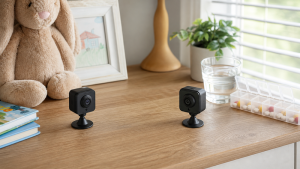
When you’re considering the safety of your elderly loved ones, hidden cameras can offer a discreet solution. They help you monitor daily activities, ensuring that potential dangers don’t go unnoticed. However, as you explore this option, you’ll need to think about the ethical implications and how to maintain trust. Are you aware of what features to prioritize in a hidden camera, or how to install it respectfully? Understanding these aspects can significantly influence the effectiveness of your monitoring efforts and the comfort of your loved one. Get yours at brainstormsecurityshop.com/ at very low prices?
Benefits of Hidden Cameras
Hidden cameras offer several key benefits for monitoring the well-being of elderly individuals. One significant advantage is the ability to ensure their safety and security. By using hidden cameras, you can keep an eye on your loved ones without them feeling watched or uncomfortable. This discreet monitoring can help you identify any potential hazards in their environment, allowing you to take action to protect them.
Another benefit revolves around enhancing family communication. When you have real-time access to your elderly family member’s activities, you can share observations and concerns with other family members. This open line of communication helps everyone stay informed, fostering a supportive family network that ensures your loved one’s needs are met.
Additionally, it’s crucial to be aware of surveillance legality in your area. Understanding the laws surrounding hidden camera usage not only protects you legally but also builds trust with your loved ones. When you approach the topic transparently, you can reassure your elderly family member that your intentions are rooted in care and protection.
Ethical Considerations
When considering the use of hidden cameras for monitoring elderly loved ones, it’s essential to reflect on the ethical implications involved. You must carefully navigate the balance between safety and privacy. Here are some critical ethical considerations to keep in mind:
Consent Issues: Always think about whether your loved one is aware of the surveillance. If they’re capable, they should give informed consent. This fosters trust and respects their autonomy.
Family Dynamics: Hidden cameras can impact relationships within the family. Consider how other family members might feel about the surveillance. Open discussions can help mitigate potential conflicts.
Purpose of Surveillance: Reflect on your motivations for installing the camera. Are you genuinely concerned for their well-being, or are you driven by suspicion? Ensure that your intentions are in the best interest of your loved one.
Legal Considerations: Familiarize yourself with local laws regarding surveillance in private spaces. Ignoring these regulations can lead to serious consequences for you and your family.
Choosing the Right Camera
Deciding to monitor your elderly loved one with a camera involves choosing the right equipment that meets your needs while respecting their privacy. Start by evaluating essential camera features. Look for high-definition video quality, night vision, and motion detection capabilities. These features ensure you can see clearly and stay informed about your loved one’s well-being, even in low-light situations.
Next, consider the type of camera that best suits your environment. You might opt for a discreet model that blends in with home decor or a more visible option that serves as a deterrent against potential issues.
When you’ve narrowed down your options, it’s wise to conduct a cost comparison among different brands and models. Prices can vary significantly based on features and quality, so don’t hesitate to shop around. Remember to factor in any ongoing costs, like subscription fees for cloud storage.
Ultimately, balancing camera features with your budget will help you make the right choice. Prioritize what’s most important for your loved one’s safety while ensuring you stay within your financial limits.
Best Practices for Installation
Installing a camera to monitor your elderly loved one requires careful planning to ensure both effectiveness and respect for their privacy. To achieve this, follow these best practices for installation:
Choose the Right Location: Place the camera in a common area where your loved one spends most of their time, like the living room or kitchen. This maximizes visibility without invading personal spaces.
Consider Lighting: Ensure the area has adequate lighting. Cameras with night vision capabilities are beneficial in low-light settings, allowing for continuous monitoring throughout the day and night.
Test the Angle: Before finalizing installation, test the camera’s angle to ensure it captures the necessary areas without being obtrusive. Adjust as needed for optimal coverage.
Regular Monitoring Frequency: Decide how often you’ll check the footage. Whether daily or weekly, consistency is key to staying informed about their well-being.
Maintaining Privacy and Trust
Balancing the need for monitoring with respect for your loved one’s privacy is vital in maintaining their trust. When you decide to install a hidden camera, it’s important to be transparent about your intentions. Discuss any privacy concerns openly, explaining that your goal is to ensure their safety, not to invade their personal space.
Trust issues can arise if they feel betrayed or monitored without consent. To avoid this, involve them in the conversation. Ask for their thoughts and feelings about the presence of a camera. This can help foster a sense of collaboration rather than surveillance.
You might also consider placing the camera in common areas rather than private spaces, which can alleviate some privacy concerns. Reassure them that you’ll respect their autonomy and only check the footage in case of emergencies.
Additionally, regularly communicate about the camera’s purpose and any observations you make. This ongoing dialogue helps reinforce trust and makes them feel valued. Remember, it’s not just about safety; it’s about nurturing a loving relationship where they feel secure and respected.
Hidden cameras aren’t legal in every state, especially considering privacy concerns and ethical implications. You should check local laws to ensure compliance. It’s crucial to balance monitoring with respect for individual privacy rights.
How Can I Ensure My Camera Is Not Easily Discovered?
To ensure your camera’s not easily discovered, consider installation tips like placing it in common areas, using discreet designs, and addressing privacy concerns. Always prioritize respect for others’ privacy while monitoring effectively.
What Are the Costs Associated With Hidden Cameras for Seniors?
The costs of hidden cameras vary widely, influenced by privacy concerns and the installation process. Basic models might start around $50, while advanced options with features can exceed $200, depending on your needs and preferences.
Can Hidden Cameras Be Integrated With Smart Home Systems?
Yes, you can integrate hidden cameras with smart home systems. However, be mindful of privacy concerns and integration challenges. Ensure robust data security for remote monitoring, so you protect both your loved ones and their privacy.
How Do I Handle Footage if I Discover Concerning Behavior?
If you discover concerning behavior, prioritize privacy concerns and legal implications. Discuss findings with family to foster trust building. Open communication helps address issues while respecting everyone’s rights, ensuring a supportive environment for all involved.
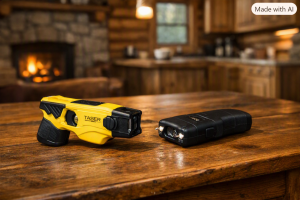
With over 25 years in the Self Defense Industry, Jose Diaz has provided lots of advise to those seeking to protect themselves against danger. Jose is a hard working individual who has use his skills to address the many faults of self protection in our society. As a father, Grandfather and a Great grandfather he wants to keep his family safe. This is why he has created his business, "Brainstorm Security Shop". He wants to provide people with a choice to defend themselves in case of a personal attack. His self-defense gadgets, like stun guns, pepper sprays, knifes, personal alarms and others will provide protection against any attacker. Please take a look at his products since very well can save your life in case of a personal attack. May you and your loved ones be safe and enjoy a long and prosperous life.