As you consider the implementation of motion detection cameras in student dorms, it’s essential to weigh the security benefits against the potential privacy implications. These devices, equipped with the latest technology, can significantly deter unauthorized access and provide a safer environment. However, you might wonder how these systems operate without infringing on individual privacy or violating legal guidelines. It’s crucial to explore how universities across the globe have successfully managed these challenges. What strategies do they employ to maintain a balance between security and privacy? Let’s examine the effectiveness of these measures and their acceptance among students. Get yours atbrainstormsecurityshop.com/ at low prices!
Understanding Motion Detection Technology
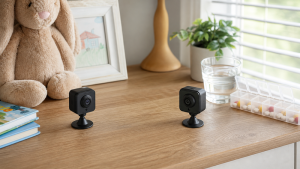
Motion detection technology relies on sensors that identify physical movement within a designated area. When you’re dealing with student dorms, the choice of sensor technology and camera types is crucial to ensure safety without compromising privacy.
Most motion detectors integrate either passive infrared (PIR) sensors, which respond to body heat, or ultrasonic sensors, which detect movement through sound waves. These sensors are adept at spotting any unwarranted activity, instantly triggering the camera to start recording.
The camera types used in conjunction with these sensors vary. You’ll find fixed cameras, which cover a static view, and PTZ (pan, tilt, and zoom) cameras, which can be controlled to sweep an area and zoom in on specific activities.
The integration of these cameras with advanced sensor technology allows for a tailored approach to monitoring large areas like dorm corridors and entry points, ensuring that only relevant movements are recorded.
As you consider installing these systems in student dorms, it’s important to choose the right combination of sensors and cameras. This setup not only helps in maintaining security but also ensures that the system is efficient, avoiding unnecessary recordings and alerts.
Benefits of Motion Detection Cameras
You’ll find that installing motion detection cameras in student dorms significantly enhances security.
They not only monitor and record unexpected movements, ensuring a safer living environment, but also contribute to energy efficiency.
This technology automatically adjusts lighting based on occupancy, cutting down on unnecessary power usage.
Enhanced Security Measures
Installing motion detection cameras in student dorms significantly enhances security by promptly alerting authorities to any unauthorized movements. This rapid response capability ensures that you’re not just safe, but also supported by technology that reacts in real time. It’s a proactive measure that keeps a vigilant eye, even when you’re asleep or away.
However, the integration of such technology must balance student safety with surveillance ethics. You deserve to feel secure without feeling watched. The cameras are set up in strategic, non-invasive locations that focus on entry points and public areas to minimize privacy intrusions while maximizing security coverage.
Here’s a quick breakdown of how these cameras contribute to a safer dorm environment:
Feature
Benefit
Consideration
Real-Time Alerts
Immediate notification of suspicious activity
Ensures timely intervention
24/7 Monitoring
Constant surveillance in common areas
Deters potential threats
Recorded Evidence
Footage for post-incident review
Aids in investigations
Remote Access
Check live feeds via smartphones or computers
Enhances personal safety
Energy Efficiency Improvement
While enhancing security, motion detection cameras also significantly improve energy efficiency in student dorms. By integrating these cameras, you’re not just stepping up safety; you’re also embracing sustainability practices that can lead to substantial cost savings.
These cameras cleverly utilize energy only when necessary. Unlike traditional, always-on systems, motion detection cameras activate only upon detecting movement. This means they’re idle, conserving energy, until their sensors are triggered. You’ll notice a decrease in electricity usage, which translates to lower utility bills. It’s a smart way to keep an eye on both security and your energy consumption.
Additionally, the adaptive nature of these cameras supports broader sustainability goals. By reducing energy wastage, you contribute to lessening the overall environmental impact of your dorm facilities.
It’s about making responsible choices that benefit everyone—financially, environmentally, and security-wise.
Privacy Concerns Addressed
Privacy concerns naturally arise when discussing the placement of motion detection cameras in student dormitories. You might be wondering how your privacy will be protected and what measures are in place to ensure that these cameras are used ethically.
It’s important to address these issues head-on to maintain trust and comfort in your living environment.
Here are some key points to consider:
Student Consent: Before installation, you’ll be informed about the cameras, and your consent will be sought. This process ensures that you’re fully aware and agreeable to the surveillance setup.
Surveillance Ethics: The deployment of cameras follows strict ethical guidelines to prevent misuse. Only authorized personnel can access the footage, and it’s used solely for security purposes.
Privacy Zones: Cameras are strategically placed in common areas only, avoiding private spaces like bedrooms and bathrooms to respect your personal space.
Transparency: You’ll receive clear information about what data is collected, how it’s stored, and who can access it. This transparency builds trust and ensures you’re not left in the dark about surveillance activities.
Understanding these points helps you see that your privacy isn’t taken lightly, and every step is taken to uphold it within the dorm environment.
Installation Process Explained
Now that you’re familiar with the privacy concerns, let’s focus on how you’ll set up the motion detection cameras in your dorm.
First, you’ll need to choose the most strategic locations that ensure security without intruding on privacy.
Then, we’ll walk through the technical setup steps, ensuring you’re equipped to handle the installation confidently.
Choosing Appropriate Locations
Before you install motion detection cameras in student dorms, it’s crucial to choose the appropriate locations that balance security needs with respect for student privacy.
You’ll need to take into account several factors to ensure that the cameras are both effective and unobtrusive.
Here are some key considerations:
Camera Angles: Optimize the angles to monitor entry points and common areas while avoiding private spaces like inside rooms. This helps in covering common blind spots without intruding into personal areas.
Lighting Conditions: Ensure the selected locations have adequate lighting for the cameras to function effectively. Poor lighting can lead to unclear footage, which defeats the purpose of having security cameras.
Motion Sensitivity: Set up cameras in areas where motion sensitivity can be maximized to alert for unusual activities without being triggered by normal day-to-day actions.
Accessibility Requirements: Install cameras considering accessibility, ensuring they’re reachable for maintenance but secure from tampering or damage.
Addressing these factors will help in overcoming installation challenges and facilitate smooth technology integration.
Technical Setup Steps
Having selected the optimal locations for your motion detection cameras, let’s move on to setting them up. Start by mounting the cameras at the predetermined spots. Ensure the camera placement is both unobtrusive and comprehensive, covering the entry points and common areas effectively.
Next, you’ll want to configure the camera settings. Focus on the motion sensitivity feature, which is crucial for dorm security. This setting determines how responsive the cameras are to movement. Set it high enough to detect unauthorized entries, but not so sensitive that it triggers alerts for minor movements like a curtain fluttering.
Connect the cameras to the power supply and your network. This might involve running cables discreetly along baseboards or using wireless options if available.
Follow the manufacturer’s instructions carefully during this step to avoid any technical mishaps.
Comparing Different Camera Models
Several motion detection cameras stand out in the market, each offering unique features that may suit different needs within student dorms.
When you’re deciding which camera to install in your dorm, it’s crucial to weigh several factors that will ensure you choose the best option available.
To help you make an informed decision, consider these key aspects:
Camera Features and Video Quality: Look for cameras that provide clear, high-definition video. Night vision and wide-angle views are particularly valuable for comprehensive dorm security.
Price Analysis and Brand Reliability: Compare prices among reputable brands to find a balance between cost and quality. Don’t skimp on brand reliability; it often correlates with durability and service quality.
Installation Ease and Connectivity Options: Opt for cameras that are easy to install and support Wi-Fi or Ethernet connectivity. This will ensure you can easily set up and connect the camera to your existing network.
Storage Solutions and Warranty Options: Check if the camera supports cloud storage or has a sufficient local storage capacity. Also, look for favorable warranty options to protect your investment.
Legal Implications Explored
When installing motion detection cameras in student dorms, it’s essential to understand the legal implications. You’re stepping into a zone thick with surveillance regulations and student rights. Each state may have different laws dictating how and when you can monitor these personal spaces. So, you’ll need to familiarize yourself with these variations to stay on the right side of the law.
Consent requirements are particularly crucial. You can’t just install cameras; you must get students’ consent. This isn’t merely about ticking a box; it’s about ensuring they genuinely understand what they’re agreeing to. Transparency here is key. Explain what data will be captured, how it will be used, and who can access it.
This ties directly into data protection policies, which are legally binding. Mishandling student data couldn’t only breach trust but also expose you to severe liability issues.
Also, consider the ethical considerations. Just because something is legal doesn’t make it right. Balancing security needs with privacy rights is delicate and requires thoughtful monitoring policies.
Always check for relevant legal precedents that could influence your approach. Remember, respecting student rights isn’t just a legal requirement; it’s a moral obligation too.
Case Studies From Universities
You now understand the legal landscape of installing motion detection cameras in student dorms, including the paramount importance of consent and ethical considerations.
Let’s delve into some real-world examples at various universities where such systems have been implemented to enhance dormitory safety and boost student awareness.
University of Coastal Bay: Introduced cameras at main entrances and hallways, significantly reducing unauthorized access. Students reported feeling safer, knowing that there’s a monitoring system in place.
Greenfield College: After a series of thefts, motion detection cameras were installed in common areas. The move was met with positive feedback from both students and parents, appreciating the proactive approach to safety.
Metro Urban University: They adopted a comprehensive system that notifies students via an app when motion is detected in their absence. This not only prevented several break-ins but also fostered a sense of community and mutual lookout among students.
Hilltown University: Focused on exterior surveillance, this institution saw a drop in vandalism incidents around dorm areas, attributed to the visible presence of cameras.
These case studies illustrate how tailored approaches to implementing motion detection systems can effectively address specific security concerns without encroaching on privacy.
Enhancing Dormitory Security
Improving dormitory security is crucial for ensuring that students feel safe and protected in their living spaces. As you navigate your college years, the importance of a secure dorm can’t be overstated.
The addition of motion detection cameras significantly boosts dormitory safety by acting as a deterrent against unauthorized access and potential threats.
These cameras also play a key role in fostering student awareness about safety protocols. You’re more likely to be vigilant and responsible when you know your environment is monitored. This constant surveillance isn’t about invasiveness but about creating a culture of security where everyone is accountable.
Imagine you’re coming back late from the library. With motion detection cameras, the system alerts security personnel if unusual activity is detected, ensuring that help is always on standby.
Plus, these cameras often come with apps that allow you to check real-time footage, giving you peace of mind that your belongings and personal space are protected while you’re away.
You might notice your Wi-Fi slowing down due to congestion and network interference.
When devices like motion detection cameras connect to the same network, they consume bandwidth. This can lead to slower internet speeds, especially if multiple cameras are active.
It’s similar to when everyone’s streaming videos or playing online games at once.
To minimize impact, consider upgrading the network capacity or limiting the number of devices connected simultaneously.
Can Students Disable Cameras During Holidays or Breaks?
You’re likely wondering if you can turn off surveillance during breaks due to privacy concerns.
Generally, you can’t disable these systems yourself. They’re installed for security reasons, and tampering with them may violate policies.
However, you can raise your concerns and seek clarity on policies from your administration.
It’s crucial that student consent and privacy are considered in these scenarios, so don’t hesitate to voice your concerns to the relevant authorities.
Are There Noise-Triggered Motion Detection Cameras Available?
Yes, noise-triggered motion detection cameras are available.
They’re designed to activate when detecting specific sound levels, addressing both security needs and privacy concerns effectively.
However, you should consider the installation costs, which can be substantial.
These cameras blend advanced technology with sensitivity settings to ensure they don’t just capture every minor noise, thus providing a balanced approach to monitoring that respects privacy while maintaining a secure environment.
Do Motion Detection Cameras Operate During Power Outages?
You might wonder if motion detection cameras keep working during power outages.
Yes, many models have a battery backup feature that kicks in when there’s a power failure. This ensures continuous operation and maintains camera security even without electricity.
Always check the camera’s specifications to confirm the presence and duration of battery support. It’s a crucial feature for maintaining surveillance and security, especially in unexpected situations like power outages.
How Often Do Camera Software Updates Occur?
You’ll find that camera security often depends on regular software updates to ensure optimal performance and compatibility with newer technologies.
Typically, these updates occur every few months, but the frequency can vary based on the manufacturer and specific software used.
It’s crucial to stay updated to protect against vulnerabilities and enhance features.
Always check with your provider for the most current update schedule and ensure your system is set to update automatically if possible.
Conclusion
You’ve seen how motion detection cameras can significantly boost dorm security while addressing privacy with clear policies and consent. By choosing the right model and understanding the installation process, you’ll enhance safety and gain peace of mind. With the technology’s benefits and legal considerations well-explored, you’re better equipped to make informed decisions. Remember, these cameras aren’t just about security; they’re about creating a safer, more trusted environment for everyone in your student dorms.
With over 25 years in the Self Defense Industry, Jose Diaz has provided lots of advise to those seeking to protect themselves against danger. Jose is a hard working individual who has use his skills to address the many faults of self protection in our society. As a father, Grandfather and a Great grandfather he wants to keep his family safe. This is why he has created his business, "Brainstorm Security Shop". He wants to provide people with a choice to defend themselves in case of a personal attack. His self-defense gadgets, like stun guns, pepper sprays, knifes, personal alarms and others will provide protection against any attacker. Please take a look at his products since very well can save your life in case of a personal attack. May you and your loved ones be safe and enjoy a long and prosperous life.