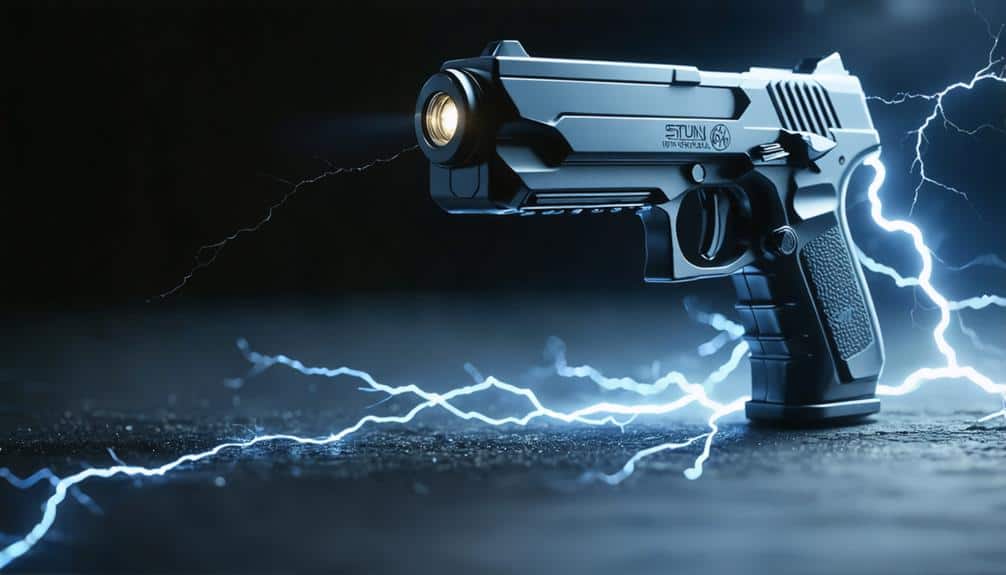
The concept ofhigh voltage in stun guns is a fascinating intersection of technology and personal safety, designed to incapacitate an assailant temporarily without causing lasting harm. This mechanism hinges on delivering a high-voltage electric shock that disrupts the neuromuscular system, a process that is both complex and critical to understand for effective use. However, the implications of such power extend beyond mere functionality, touching upon legal, ethical, and safety considerations that demand careful examination. What are the factors that determine the right model for you, and how do legal boundaries influence their use?
What do We Need to Know About High Voltage?
Understanding high voltage is crucial when examining the functionality and design of stun guns. High voltage is fundamental to their operation, as it allows the device to generate sufficient electrical energy to achieve its intended effect. Voltage, measured in volts, is the force that drives electric charge through a conductor. In stun guns, high voltage is necessary to create a quick, intense electrical discharge capable of momentarily disrupting voluntary muscle control.
The principles underlying voltage effects are rooted in basic electrical concepts. Ohm’s Law, which states that voltage is the product of current and resistance, plays a significant role in understanding how stun guns operate. High voltage in stun guns ensures that even with minimal current, the energy delivered is potent enough to produce the desired incapacitating effect without causing long-term harm.
Voltage effects in stun guns rely on the principle that higher voltage can overcome the body’s natural resistance, allowing the electric charge to pass through and temporarily affect the neuromuscular system. This understanding of electrical principles underscores the importance of precise voltage calibration in stun guns, ensuring they are effective while maintaining safety standards.
Proper voltage management is vital for achieving the balance between efficacy and safety.
How Stun Guns Work?
Stun guns operate by delivering a high-voltage electrical shock designed to incapacitate an individual temporarily. The stun gun mechanics are centered around the generation and delivery of an electrical discharge. This discharge targets the neuromuscular system, causing a momentary disruption in muscle control. By emitting a high-voltage and low-amperage shock, stun guns are effective without causing long-term harm. The electrical discharge interferes with the body’s communication system, effectively immobilizing the target by overwhelming the motor and sensory nerves.
Component
Function
Power Source
Provides energy to generate electrical discharge
Transformer
Converts low voltage from the battery to high voltage for discharge
Oscillator
Creates a pulse frequency to modulate the electrical output
Electrodes
Deliver the electrical shock to the target
Circuitry System
Regulates and enhances the stun gun’s performance and efficiency
Central to the stun gun mechanics is the transformer, which elevates the battery’s initial voltage to the desired high-voltage level. Simultaneously, the oscillator adjusts the frequency of the electrical pulses, ensuring the shock is delivered in a manner that maximizes incapacitation. The electrodes are pivotal, as they convey the electrical discharge through direct contact, making the stun gun an effective tool for self-defense.
What are Stun Guns Legal Considerations?
When considering the use and ownership of stun guns, it is crucial to navigate the complex legal landscape that varies significantly between jurisdictions. Stun gun regulations can differ dramatically, not only between countries but also within regions of the same country. Understanding these regulations is essential for ensuring compliance and avoiding potential legal repercussions.
Legal ownership of stun guns involves several key considerations:
Jurisdictional Variance: Each jurisdiction may have distinct laws regarding the purchase, possession, and use of stun guns. Some areas may allow unrestricted ownership, while others impose strict limitations or outright bans.
Permits and Licenses: In certain regions, obtaining a permit or license is mandatory for legal ownership of a stun gun. This process may involve background checks, training requirements, and fees.
Age Restrictions: Many jurisdictions impose age restrictions on the purchase and possession of stun guns, typically setting the minimum age at 18 or 21 to ensure responsible ownership.
Usage Limitations: Even where ownership is legal, there may be constraints on how and where stun guns can be used. For instance, using a stun gun in self-defense might be permissible, whereas using it offensively could result in legal penalties.
Understanding these elements is vital to maintain compliance with stun gun regulations.
How to Choose the Right Stun Gun Model?
Selecting the appropriate stun gun model frequently involves evaluating various features that align with personal needs and legal requirements. When deciding on a model, it is essential to consider factors such as size, voltage, and design. These model features can significantly impact the effectiveness and usability of the stun gun.
For instance, a compact design may be preferable for those seeking convenience and discretion, while a higher voltage model might be suitable for individuals prioritizing maximum stopping power.
Personal preferences play a crucial role in the selection process. Some users may prioritize ease of use and opt for models with intuitive controls, while others might focus on additional features, such as built-in flashlights or alarms.
The power source is another consideration; rechargeable models can be cost-effective and environmentally friendly, whereas battery-operated ones might offer more flexibility in terms of immediate availability.
What are the Safety and Usage Tips for Stun Guns?
Understanding the importance of selecting the right model is only the beginning; ensuring safe and effective use is equally significant. Proper use of high-voltage stun guns can enhance personal security, but it requires adherence to safety protocols and an understanding of self defense techniques.
Users must be aware of the device’s power and limitations to maximize its effectiveness and avoid potential harm to themselves or others.
For optimal use and safety, consider the following guidelines:
Effective Training: Enroll in a professional self-defense course that includes stun gun training. Understanding how and when to use the device is crucial for both effectiveness and safety.
Regular Maintenance: Ensure that your stun gun is functioning correctly. Regularly check the battery and overall condition to prevent malfunctions during critical situations.
Situational Awareness: Develop a keen sense of your surroundings. A stun gun is most effective when combined with awareness and other self defense techniques to avoid potential threats before they escalate.
Legal Considerations: Familiarize yourself with local laws and regulations regarding the use of stun guns. Compliance with legal standards is essential to avoid legal repercussions.
The average lifespan of a stun gun battery typically ranges from one to two years. Battery longevity depends on usage frequency, and regular battery replacement is recommended to ensure optimal functionality and reliability of the device.
Are There Any Stun Guns Designed Specifically for Self-Defense Against Animals?
Regarding the current inquiry, certain stun guns are indeed engineered as animal deterrents. Their effectiveness varies based on design and voltage, specifically tailored for non-lethal self-defense against aggressive animals, ensuring safety during wildlife encounters.
Can Stun Guns Be Taken on Airplanes in Checked Luggage?
Airline regulations strictly prohibit carrying stun guns in checked luggage due to safety concerns. Passengers should verify specific airline policies and consult authorities to ensure compliance with stun gun safety standards during air travel.
Do Stun Guns Require Regular Maintenance or Servicing?
Regular maintenance of stun guns is essential to ensure optimal functionality and safety during usage. Routine checks and servicing enhance stun gun safety by preventing malfunctions, preserving battery life, and maintaining the device’s effectiveness for personal protection.
Are There Stun Guns Available With Built-In Flashlights or Other Multifunctional Features?
Indeed, modern stun gun design often includes multifunctional features such as built-in flashlights. These enhancements improve usability, providing additional utility and convenience for users while ensuring the primary function of self-defense remains uncompromised.
With over 25 years in the Self Defense Industry, Jose Diaz has provided lots of advise to those seeking to protect themselves against danger. Jose is a hard working individual who has use his skills to address the many faults of self protection in our society. As a father, Grandfather and a Great grandfather he wants to keep his family safe. This is why he has created his business, "Brainstorm Security Shop". He wants to provide people with a choice to defend themselves in case of a personal attack. His self-defense gadgets, like stun guns, pepper sprays, knifes, personal alarms and others will provide protection against any attacker. Please take a look at his products since very well can save your life in case of a personal attack. May you and your loved ones be safe and enjoy a long and prosperous life.