How Canine Repellents Keep Walkers and Joggers Safe
When you’re faced with unwanted canine behaviors, figuring out how to address them can be challenging. Canine repellents offer a practical solution by using scents, tastes, and sounds to deter dogs from certain areas or actions. Different types available at brainstormsecurityshop.com/ were you can buy the best dog repellers at very low prices! Understanding how these repellents work and how to apply them properly could significantly impact your dog’s behavior. So, what should you consider before choosing the right repellent for your situation?
Understanding Canine Repellents
Canine repellents are essential tools for anyone looking to deter unwanted dog behavior, whether it’s in your yard or at a public space. Understanding how these repellents work can significantly enhance repellent effectiveness. They’re designed to trigger specific behavioral responses in dogs, steering them away from areas where you don’t want them.
When you use a canine repellent, you’re essentially influencing a dog’s decision-making process. The right repellent can create a negative association with certain areas or objects, leading dogs to avoid those spots in the future. Factors like scent, taste, and sound play key roles in how effective a repellent will be.
It’s crucial to choose a repellent that aligns with the behavior you want to change. For example, if a dog tends to dig in your garden, a repellent that’s unpleasant for them but safe for the environment can be your best bet.
Types of Canine Repellents
There are several types of canine repellents available, each designed to target specific behaviors and situations. You can choose from commercial products, natural options, or even DIY alternatives to address your dog’s issues effectively. Here’s a quick overview of the main types:
Commercial Sprays: These often use bitter flavors or scents to deter unwanted chewing or barking.
Sound Devices: These emit high-frequency sounds to interrupt a dog’s behavior, promoting better habits.
Behavioral Modification Tools: These include items like training collars that help reinforce positive behavior through correction.
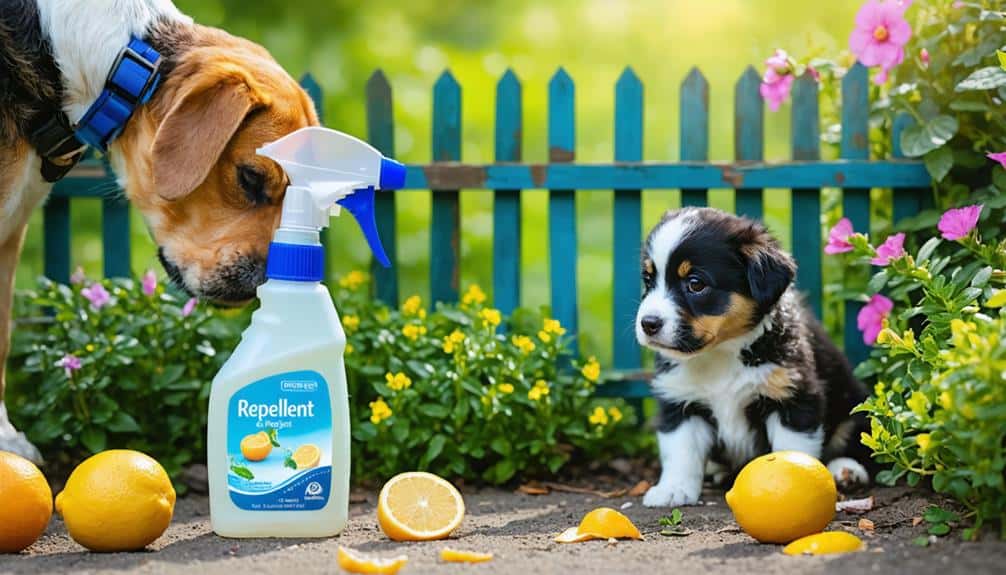
If you prefer a more hands-on approach, DIY alternatives can be quite effective. You might create a homemade spray using ingredients like vinegar or citrus, which dogs typically dislike.
How Do Canine Repellents Work?
Understanding how canine repellents work can help you choose the right option for your dog’s specific needs. Canine repellents primarily use two methods: behavioral modification and scent deterrents.
Behavioral modification works by creating an aversive experience for your dog when they engage in unwanted behaviors. For instance, when your dog approaches a forbidden area or object, a repellent that produces a loud noise or a harmless spray can discourage them from repeating that action.
On the other hand, scent deterrents rely on your dog’s sensitive nose. These repellents typically contain odors that dogs find unpleasant, like citrus or vinegar. When you apply these scents to specific areas or objects, your dog is less likely to approach or interact with them. This method can effectively protect your belongings and keep your dog safe from potentially harmful situations.
Natural Vs. Chemical Options
When choosing between natural and chemical canine repellents, you’ll want to consider their safety and effectiveness for both pets and people.
Think about the environmental impact of each option, as well as how much they cost and their availability.
Making an informed choice can help you protect your space without compromising health or the planet.
Safety and Effectiveness
How do you choose between natural and chemical canine repellents? It’s essential to weigh both safety and effectiveness, especially considering their impact on canine behavior and potential health risks. Natural repellents often provide a gentler approach, using ingredients like citronella or vinegar. However, their effectiveness can vary depending on the individual dog and the environment.
On the other hand, chemical options might offer quicker results but can pose significant health risks to pets and humans alike. Here’s what you should consider:
Safety for Pets: Natural options are generally safer for your furry friends, reducing the risk of skin irritation or ingestion issues.
Longevity of Effectiveness: Chemical repellents may last longer, but you need to monitor their impact on your dog’s behavior closely.
Environmental Concerns: While we won’t dive into this topic now, consider how each option affects the broader ecosystem.
Ultimately, you’ll want to find a balance that protects your home while being considerate of your beloved canine companions. Always test a small area first, regardless of the option you choose, and observe your dog’s reaction.
Environmental Impact Considerations
The choice between natural and chemical canine repellents can significantly impact the environment. When you consider which option to use, think about the consequences for wildlife preservation and conservation efforts. Natural repellents often feature biodegradable options that break down over time, posing less risk to ecosystems. On the other hand, chemical repellents can introduce harmful substances into the environment, potentially affecting local flora and fauna.
Here’s a quick comparison to help you decide:
Feature
Natural Repellents
Biodegradable Options
Yes
Eco-Friendly
Yes
Risk to Wildlife
Low
Chemical Residue
None
Long-lasting Effectiveness
Varies (may need reapplication)
Cost and Availability
Choosing between natural and chemical canine repellents also involves considering cost and availability. Natural options often come with the benefit of being more budget-friendly, especially if you opt for DIY alternatives. On the other hand, chemical repellents usually have a higher upfront cost but might be more effective in certain situations.
When you’re weighing your choices, think about these factors:
Brand comparison: Some brands may offer superior effectiveness, but they can also come at a premium price. Researching different brands can help you find the right balance between cost and effectiveness.
DIY alternatives: Creating your own repellent can save you money and allow you to customize it to suit your needs. Simple recipes using vinegar, essential oils, or citrus can be effective deterrents.
Availability: Natural repellents can often be found at local stores or online, while some chemical options may not be as widely accessible.
Ultimately, your choice will depend on your budget, the specific situation, and how readily available the products are in your area. Balancing cost with effectiveness will help you make the best decision for your needs.
Tips for Effective Use
To maximize the effectiveness of canine repellents, start by identifying the specific areas where you want to deter dogs. Whether it’s your garden, yard, or specific entry points, knowing the zones will help you focus your efforts.
Next, choose the right application techniques; follow the manufacturer’s instructions for the best results. This could involve spraying, sprinkling, or applying a barrier, depending on the product you select.
Consistency is key for achieving long-term results. Regularly reapply the repellent, especially after rain or heavy winds, to maintain its efficacy. You might also consider combining different types of repellents for enhanced protection; for instance, using both a spray and a granule could cover more ground.
Observe the areas after application to assess the effectiveness. If dogs continue to venture into the space, you might need to adjust your techniques or increase the frequency of application.
Lastly, be patient, as it may take time for the repellents to take full effect. By implementing these strategies, you can create an environment that effectively discourages unwanted canine visitors.
Choosing the Right Repellent
When it comes to selecting a canine repellent, understanding the different types available is essential. You’ll want to consider several factors to ensure you choose the right one for your needs. Start by looking at brand comparisons and their effectiveness ratings. Some brands may work better in specific situations, so do your research.
Here are a few key points to keep in mind:
Application methods: Consider how the repellent is applied. Spray, wipes, and diffusers each have their pros and cons.
Duration of protection: Check how long the repellent lasts. Some provide immediate but short-term protection, while others offer extended coverage.
Active ingredients: Look for ingredients that are safe for both dogs and the environment.
When considering pet products, you should always check their environmental impact and cross species safety. Some repellents may harm other pets or wildlife, so be cautious and research before using any product in your area.
Can I Use Canine Repellents Indoors?
You can use canine repellents indoors, but their effectiveness may vary. Consider suitable alternatives like natural deterrents or barriers to ensure a safe environment for your pets while keeping unwanted animals at bay.
How Long Do Canine Repellents Typically Last?
The effectiveness duration of repellents varies, but you’ll typically need to reapply every few days to maintain results. Application frequency can depend on environmental factors, so keep an eye on how well it works for you.
Are There Any Side Effects of Using Canine Repellents?
Using certain repellents can lead to skin irritation or respiratory issues for both pets and humans. Always test a small area first and observe for any adverse reactions before widespread application. Stay safe and informed!
Can I Make My Own Canine Repellent at Home?
You can definitely make your own canine repellent at home! Using DIY homemade recipes with natural ingredients often proves effective. Just ensure you research and choose ingredients that are safe for your pets and the environment.
With over 25 years in the Self Defense Industry, Jose Diaz has provided lots of advise to those seeking to protect themselves against danger. Jose is a hard working individual who has use his skills to address the many faults of self protection in our society. As a father, Grandfather and a Great grandfather he wants to keep his family safe. This is why he has created his business, "Brainstorm Security Shop". He wants to provide people with a choice to defend themselves in case of a personal attack. His self-defense gadgets, like stun guns, pepper sprays, knifes, personal alarms and others will provide protection against any attacker. Please take a look at his products since very well can save your life in case of a personal attack. May you and your loved ones be safe and enjoy a long and prosperous life.