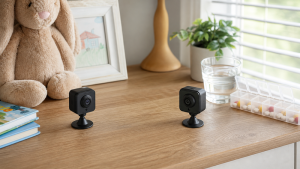
Motion Detection Cameras With Low Light Capability
Have you ever considered the implications of installing motion detection cameras with low light capability around your property? These devices aren’t just about capturing images in the dark; they’re about enhancing security where traditional cameras fail. Imagine being able to identify a trespasser or verify an incident without the constraints of poor lighting. The technology behind these cameras, which integrates advanced sensors and specialized imaging software, could be a game changer for your security setup. But there’s more to consider—such as the potential privacy implications and the cost of maintenance. Let’s explore whether the benefits really outweigh these concerns.
Understanding Motion Detection Technology
Motion detection technology utilizes sensors to monitor changes in a specific area, alerting you when movement occurs. This technology is a cornerstone in modern security systems, harnessing advanced sensor technology to enhance safety in homes and businesses.
These sensors, often equipped with infrared capabilities, can detect even the slightest movement through heat signatures, ensuring nothing goes unnoticed.
You might wonder how these sensors differentiate between a potential intruder and, say, a small animal. Advanced algorithms analyze the movements, size, and heat patterns, enabling the system to ignore non-threatening movements. This specificity reduces false alarms, a common concern with older or less sophisticated systems.
The integration of infrared capabilities allows the motion detection system to operate effectively in various lighting conditions. Although we’re not diving into low light camera benefits here, it’s crucial to understand that these infrared features help in situations where lighting isn’t ideal, ensuring continuous protection.
Benefits of Low Light Cameras
You’ll find that low light cameras are indispensable for maintaining security in poorly lit areas. These cameras don’t just stand guard; they provide critical night vision capabilities that are essential when daylight fades and shadows deepen.
You’re not just recording; you’re getting a clear view of what happens in the dark. This is a significant security enhancement, as potential intruders often use the cover of darkness as an advantage.
Imagine you’re monitoring an alleyway or a back entrance, places where street lights don’t reach. With standard cameras, you’d see little more than silhouettes and shadows, making it tough to identify figures or actions accurately.
However, low light cameras pierce through the darkness, capturing detailed images and providing peace of mind that your property is watched over effectively.
This technology isn’t just about catching wrongdoers in the act; it’s also about prevention. The mere presence of a camera that can see clearly, night or day, acts as a deterrent to those considering trespassing on your property.
Key Features of Motion Detection Cameras
Given the importance of low light cameras in enhancing security, it’s vital to know what features make them effective. When you’re shopping for the best motion detection camera with low light capabilities, there are a few key features to keep an eye on.
Firstly, consider the image resolution. Higher resolution means clearer images, which is crucial when you need to identify details in poorly lit environments. Look for cameras that offer at least 1080p; this will ensure that the footage is sharp enough to discern facial features or license plate numbers even at night.
Wireless connectivity is another essential feature. A camera that supports WiFi or another wireless standard allows you to access your video feed remotely. This means you can monitor your property from anywhere, using just your smartphone or tablet. It also simplifies the installation process since you won’t need to run as many wires.
Lastly, don’t overlook the camera’s build and design. Ensure it’s suitable for outdoor use if you’re placing it outside. Weatherproof and vandal-resistant features are a must to withstand the elements and potential tampering.
Installation Tips and Tricks
When setting up your motion detection camera, finding the right spot is crucial for maximizing its effectiveness.
You’ll want to focus on optimal placement strategies that ensure key areas are covered without obstructions.
Additionally, enhancing visibility techniques can significantly improve the camera’s ability to detect and record movements accurately.
Optimal Placement for Motion Detection Cameras
Choosing the right locations for your motion detection cameras significantly enhances their effectiveness and ensures optimal coverage. Here’s how you can optimize your camera placement both indoors and outdoors:
Height Considerations: Install your cameras at least 8-10 feet above the ground. This height is optimal to avoid easy tampering and ensures a wider field of vision without sacrificing detail.
Angle Adjustments: Position your cameras so they point away from direct light sources to reduce glare and improve image clarity. Tilt them downward slightly to capture a balanced area of visibility, covering where walls meet floors or the ground.
Coverage Areas and Blind Spots: Identify key areas you need monitored like entry points, windows, and large open spaces. Avoid blind spots by ensuring no camera’s view is blocked by obstructions like trees or decor.
Consider using camera clusters in open areas to cover multiple angles.
Environmental Factors: For outdoor cameras, place them under eaves or in weather-resistant housings to protect from the elements.
Indoors, keep them away from devices that could cause electromagnetic interference.
Enhancing Visibility Techniques
To enhance the visibility of your motion detection cameras, consider implementing a few key installation tips and tricks.
Start by strategically positioning cameras in areas where natural light is minimal but essential for monitoring. You’ll want to ensure that the camera’s field of view is unobstructed by any potential barriers.
Incorporate infrared illumination to significantly improve camera performance in low light conditions. This technology allows your camera to capture clear images even in the dark by emitting a light that’s invisible to the naked eye but fully detectable by your camera.
It’s a game-changer for enhancing visibility without being obtrusive.
Additionally, don’t overlook the power of image enhancement features. Many modern cameras come equipped with settings that automatically adjust brightness and contrast levels to optimize the video quality.
Dive into these settings and experiment with different configurations to see what delivers the best results. Sometimes, tweaking these can compensate for less-than-ideal lighting conditions.
Lastly, regular maintenance of your camera’s lenses can prevent dust and smudges from impairing the image quality.
A clean lens often makes a significant difference in the effectiveness of both infrared illumination and image enhancement technologies.
Maintaining Your Camera System
Maintaining your motion detection camera system is crucial for ensuring it operates efficiently and captures clear, useful footage. Regular check-ups and updates can prevent major failures and save you from unexpected frustrations. Here’s how you can keep your system in top shape:
Regular Cleaning: Dust and debris can impair camera lenses and sensors. Gently wipe the lenses with a soft, clean cloth every few weeks to ensure optimal visibility and functionality.
Software Updates: Just like with any tech gadget, keeping your camera’s software up to date is essential. Manufacturers often release updates to enhance features and fix bugs.
Check Power Supplies: Ensure that all your cameras are receiving adequate power. Power issues can cause intermittent functionality, which is detrimental in a security setup.
Routine Testing: Test your cameras regularly to monitor their functioning. Look for any signs of lag or glitches in the footage.
Incorporating these steps into your camera maintenance routine can drastically reduce the need for troubleshooting down the road.
Don’t skip on these basics—taking care now can help you avoid bigger problems later.
Frequently Asked Questions
Can Wildlife Be Deterred by the Camera’s Operation Noise or Light?
You might wonder if the noise or light from a camera can scare off animals. Interestingly, some wildlife can indeed be deterred bycamera noise or the sudden appearance of light.
Their behavior often changes when they detect something unfamiliar. Animals typically wary of human presence might avoid areas where they frequently encounter these disturbances.
However, some species may acclimate over time and ignore the camera noise or light altogether.
Are These Cameras Weatherproof for Outdoor Use?
You’re probably wondering if your camera can handle the elements when set up outside.
Yes, these cameras are designed with outdoor durability in mind. The materials used in these cameras are robust, ensuring they can withstand various weather conditions, from rain to extreme temperatures.
It’s essential to check the specific model for its weatherproof ratings to ensure maximum protection against environmental factors.
How Do These Cameras Impact Household Wi-Fi Speeds?
When you install these cameras, they can affect your household Wi-Fi speeds due to their bandwidth usage. Each camera continuously uploads video data, which might slow down your internet if your Wi-Fi isn’t robust enough.
Opting for cameras with efficient video compression technology can help mitigate this impact, as they require less bandwidth to transmit high-quality footage.
It’s crucial to assess your Wi-Fi capacity before setting up multiple cameras.
Can Motion Detection Cameras Store Data in Cloud Safely?
Yes, motion detection cameras can safely store data in the cloud.
These devices typically use data encryption to protect your videos, ensuring they’re secure from unauthorized access.
With cloud storage, you can access your footage from anywhere, and it’s often backed up to prevent loss.
Just make sure you choose a camera with strong encryption standards and a reliable cloud service provider to maximize your data’s security.
What Are the Privacy Concerns With Installing Such Cameras?
When you install surveillance cameras, privacy concerns naturally arise.
You’re navigating surveillance ethics and personal boundaries. It’s crucial to consider how these devices might intrude on others’ privacy.
For instance, positioning cameras where they could capture footage from neighboring properties can be problematic.
Always ensure you’re transparent with family or neighbors about where cameras are placed and what they record to maintain trust and respect everyone’s privacy rights.
Conclusion
You’ve now explored the essentials of motion detection cameras with low light capability. By choosing a model with the right features, you can significantly enhance the security and surveillance of your property. Remember, installing your camera strategically maximizes its effectiveness, and regular maintenance ensures it stays in top condition. With the right system in place, you’ll not only deter potential intruders but also enjoy peace of mind, knowing your premises are well-monitored around the clock.
With over 25 years in the Self Defense Industry, Jose Diaz has provided lots of advise to those seeking to protect themselves against danger. Jose is a hard working individual who has use his skills to address the many faults of self protection in our society. As a father, Grandfather and a Great grandfather he wants to keep his family safe. This is why he has created his business, "Brainstorm Security Shop". He wants to provide people with a choice to defend themselves in case of a personal attack. His self-defense gadgets, like stun guns, pepper sprays, knifes, personal alarms and others will provide protection against any attacker. Please take a look at his products since very well can save your life in case of a personal attack. May you and your loved ones be safe and enjoy a long and prosperous life.