Is Pepper Spray Legal in All 50 States? A Complete Guide for Self‑Defense Shoppers
Brainstorm Security Shop – Your Trusted Source for Personal Protection Gear
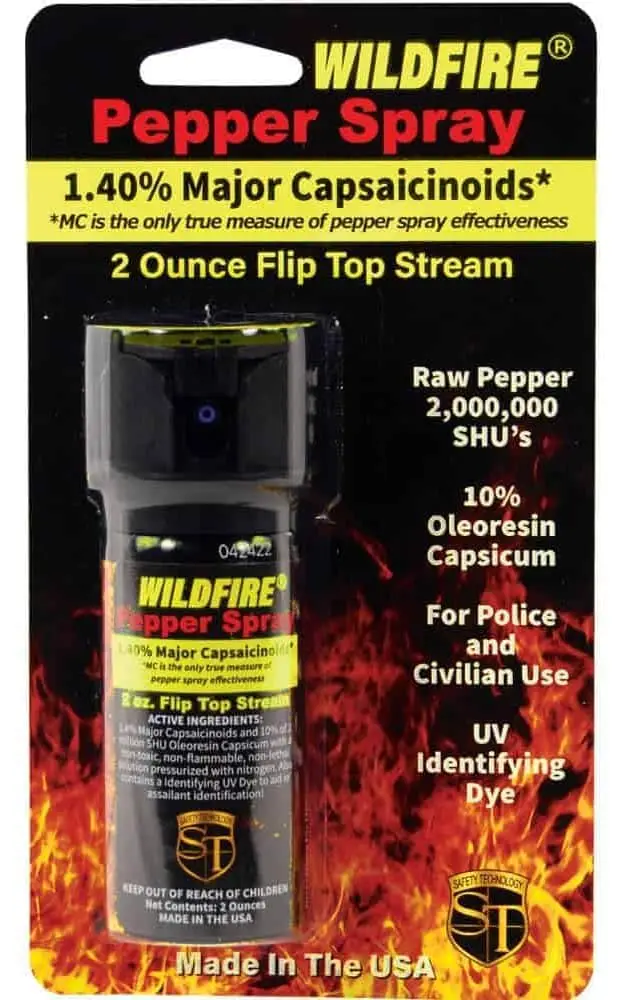
Pepper spray is one of the most effective, affordable, and easy‑to‑carry self‑defense tools available today. Whether you’re a jogger, a college student, a night‑shift worker, or simply someone who wants extra peace of mind, pepper spray offers reliable protection without the complexity of firearms or the risks of close‑contact weapons.
But before you buy, one question matters most: Is pepper spray legal to carry in all 50 states?
The answer is yes — pepper spray is legal nationwide. However, each state has its own rules on size, strength, age requirements, and where you can purchase it. Understanding these laws helps you stay safe and compliant.
This guide breaks down everything you need to know, optimized for clarity, accuracy, and search visibility.
⭐ Pepper Spray Is Legal in All 50 States — With Restrictions
Every state allows civilians to carry pepper spray for lawful self‑defense. But several states impose rules on:
Age limits
Canister size
OC concentration
Where you can buy it
Who is prohibited from possessing it
Where you can carry it
At Brainstorm Security Shop, we only carry legal, compliant pepper‑spray options that meet state requirements — making your purchase safe and worry‑free.
Most states require you to be 18 or older to purchase or carry pepper spray.
Exceptions include:
California: 18+, but minors 16–17 may carry with parental consent
District of Columbia: 18+, or 14+ with parental permission
Honolulu, Hawaii: Often requires buyers to be 21+
2. Size & Weight Limits
Some states restrict the maximum size of pepper‑spray canisters:
California: Up to 2.5 oz
Florida: Up to 2 oz
Arkansas: Up to 300 mL (~10.1 oz)
New Jersey: Up to 0.75 oz
Michigan: Up to 1.2 oz
Wisconsin: Up to 2 oz
Most other states have no size limit, but smaller sprays are easier to carry and legally safer across jurisdictions.
3. OC Concentration Limits
Only two states regulate OC strength:
Michigan: Max 2% OC
Wisconsin: Max 10% OC, with strict labeling rules
All pepper sprays sold at Brainstorm Security Shop meet these requirements.
4. Purchase Restrictions
A few states require pepper spray to be purchased in person from licensed dealers:
New York — no online shipment
Massachusetts — licensed dealer only
Connecticut — licensed dealer only
Hawaii also has local licensing requirements.
If you live in one of these states, check your local regulations before ordering.
5. Criminal‑Record Restrictions
All states prohibit pepper‑spray possession by:
Convicted felons
Individuals convicted of violent or drug‑related offenses
This rule is universal nationwide.
6. Location‑Based Restrictions
Pepper spray is prohibited in:
Federal buildings
Courthouses
Secure government facilities
Most schools and school grounds
Airport TSA checkpoints
TSA allows pepper spray only in checked luggage, up to 4 oz, with a safety mechanism.
🏛️ States With the Strictest Pepper‑Spray Laws
These states have the most detailed restrictions:
Hawaii
Massachusetts
New York
New Jersey
Michigan
Wisconsin
If you live in one of these states, choose a small, compliant spray — Brainstorm Security Shop offers several options that meet these requirements.
🌎 States With Minimal Restrictions
Most states — including Tennessee, Texas, Georgia, Colorado, Idaho, and many more — allow pepper spray with:
No size limit
No concentration limit
No special purchase requirements
As long as you’re 18+ and using it only for lawful self‑defense, you’re good to go.
✈️ Traveling With Pepper Spray
If you travel frequently:
Keep pepper spray in checked luggage only
Never bring it through TSA security
Choose a 1 oz keychain spray for universal legality
🛡️ Why Pepper Spray Is a Smart Self‑Defense Choice
Pepper spray offers several advantages:
Non‑lethal
Easy to use
Affordable
Highly effective
Legal nationwide
Safe for beginners
It’s one of the best tools for people who want protection without carrying a firearm or engaging in close‑contact defense.
🛒 Best Pepper Sprays for Legal Carry — Available at Brainstorm Security Shop
To help you stay compliant in every state, we recommend:
✔️ 1 oz Keychain Pepper Spray
Legal everywhere, easy to carry, perfect for students, joggers, and everyday use. https://brainstormsecurityshop.com/keychain-pepper-spray.
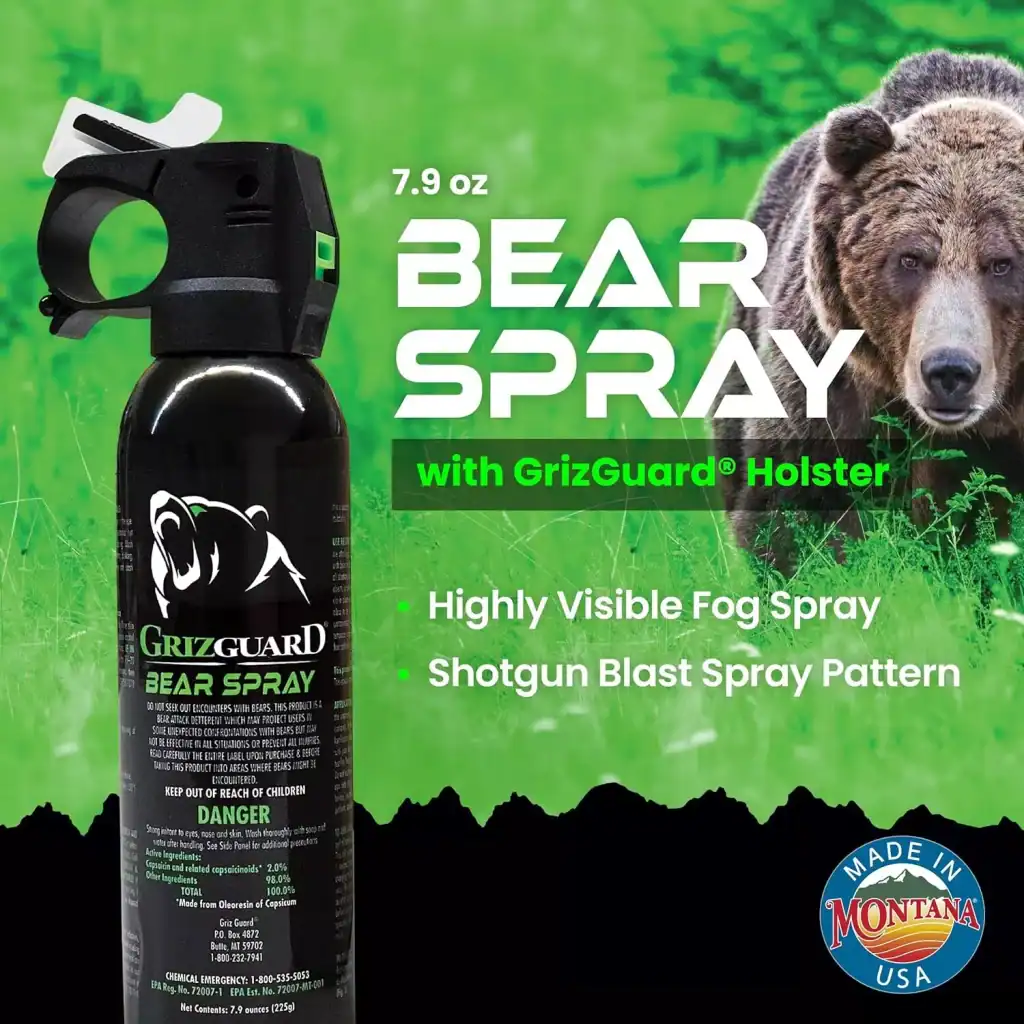
✔️ Dog & Animal Repellent Sprays
Ideal for hikers, delivery drivers, and anyone who encounters aggressive animals. https://brainstormsecurityshop.com/dog-repellent.
✔️ Pepper Spray Guns (Where Allowed)
For users who want extended range and stronger stopping power shop at brainstormsecurityshop.com at very low prices!
All products are vetted for legality, quality, and reliability.
📌 Conclusion
Pepper spray is legal in all 50 states, but each state has its own rules on size, strength, age, and purchase requirements. Choosing the right spray — and buying from a trusted source — ensures you stay protected and compliant.
At Brainstorm Security Shop, we make it easy. Our pepper‑spray selection meets legal standards nationwide, giving you peace of mind and reliable protection wherever you go.
❓ Frequently Asked Questions
Is pepper spray legal everywhere in the U.S.?
Yes — but restrictions vary by state.
Can I buy pepper spray online?
Yes in most states, except New York and Hawaii.
What size pepper spray is legal nationwide?
A 1 oz keychain spray is universally legal.
Can felons carry pepper spray?
No — all states prohibit it.
Can I take pepper spray on a plane?
Only in checked luggage, up to 4 oz, with a safety mechanism.
With over 25 years in the Self Defense Industry, Jose Diaz has provided lots of advise to those seeking to protect themselves against danger. Jose is a hard working individual who has use his skills to address the many faults of self protection in our society. As a father, Grandfather and a Great grandfather he wants to keep his family safe. This is why he has created his business, "Brainstorm Security Shop". He wants to provide people with a choice to defend themselves in case of a personal attack. His self-defense gadgets, like stun guns, pepper sprays, knifes, personal alarms and others will provide protection against any attacker. Please take a look at his products since very well can save your life in case of a personal attack. May you and your loved ones be safe and enjoy a long and prosperous life.