What Are the State Laws for Hidden Spy Cameras in 2026?
Hidden spy cameras are more popular than ever in 2026—used for home security, nanny monitoring, workplace safety, and even catching package thieves. It is illegal in every state to place a hidden camera in areas where people expect privacy. The laws around them are not the same in every state, and misunderstanding the rules can turn a simple security setup into a criminal offense. As of 2026, the U.S. has no single federal law that governs hidden cameras, meaning each state sets its own rules on privacy, audio recording, and where cameras can legally be placed.
Below is the most up‑to‑date breakdown of how hidden camera laws work across the country in 2026.
What Are the Two Big Rules That Apply Almost Everywhere?
Across nearly all states, two universal principles shape hidden camera legality:
Reasonable Expectation of Privacy It is illegal in every state to place a hidden camera in bathrooms, bedrooms, dressing rooms, hotel rooms, and similar spaces. Even if you own the property, you cannot record someone in these locations.
Audio Recording Consent Laws Video‑only recording is legal in all 50 states, but audio recording is heavily regulated.
11 states require all‑party (two‑party) consent
38 states + D.C. require one‑party consent Audio recording without proper consent can lead to felony charges, fines up to $10,000, and prison time in some states.
Which States Require Two‑Party Consent for Audio in 2026?
As of 2026, the following states require all parties to consent before audio can be recorded:
California
Florida
Illinois
Maryland
Massachusetts
Michigan
Montana
New Hampshire
Pennsylvania
Washington
In these states, recording a conversation—whether through a hidden camera with a microphone or an audio‑only device—without everyone’s permission is illegal, even if you are part of the conversation. Penalties can include fines and imprisonment.
Which States Allow One‑Party Consent for Audio?
The remaining 38 states plus Washington, D.C. follow one‑party consent, meaning only one person involved in the conversation must agree to the recording.
This means:
You can record conversations you are part of without telling the other person.
You cannot secretly record conversations between two other people if you are not involved.
Video‑only recording is generally allowed in non‑private areas.
Even in one‑party states, recording in private spaces (bathrooms, bedrooms, etc.) is still illegal.
Are Hidden Cameras Completely Illegal in Any States?
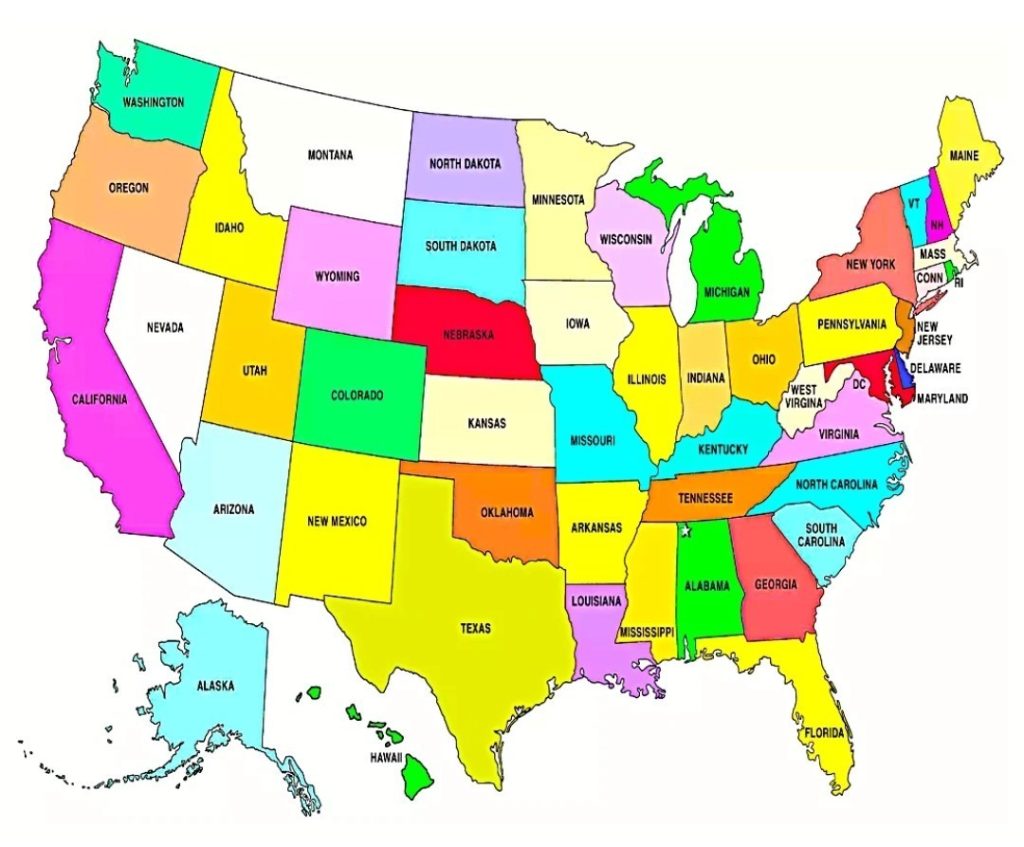
Map Of The United States
Yes. As of April 2026, four states classify hidden cameras as outright illegal in most circumstances:
Alabama
Florida
South Carolina
South Dakota
These states prohibit the intentional recording of private conversations or private spaces without consent, and their statutes are stricter than the national norm.
In these states, even possessing certain types of covert recording devices can be considered unlawful depending on intent.
Where Are Hidden Cameras Allowed Inside Your Home?
Inside your own home, hidden cameras are generally legal as long as they are placed in common areas such as:
Living rooms
Kitchens
Hallways
Entryways
These areas do not carry a reasonable expectation of privacy.
However, hidden cameras are never legal in:
Bathrooms
Bedrooms
Guest rooms when guests are present
Any area where someone changes clothes
Even if you own the home, the privacy rights of guests, tenants, and employees still apply.
Are Nanny Cams Legal in 2026?
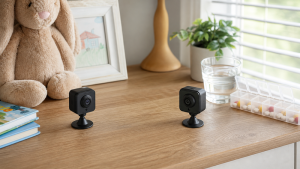
Yes—video‑only nanny cams placed in common areas are legal in nearly every state. Parents can monitor caregivers without notifying them as long as the camera is not in a private area.
However:
Adding audio triggers state wiretap laws.
In two‑party consent states, recording your nanny’s voice without permission is illegal.
In one‑party states, you must be part of the recorded conversation for it to be legal.
If you want to record both video and audio, it’s safest to inform the caregiver in writing.
What Are the Penalties for Illegal Hidden Camera Use?
Penalties vary by state, but common consequences include:
Felony charges for illegal audio recording
Fines up to $10,000
Civil lawsuits for invasion of privacy
Jail or prison time
Seizure of recording equipment
States like California, Florida, and Illinois impose some of the harshest penalties for unlawful recording.
Even in states with more lenient laws, recording someone in a private space is almost always a criminal offense.
Frequently Asked Questions (2026)
1. Are hidden cameras legal in all 50 states?
Video‑only hidden cameras are legal in all states, but audio recording and placement restrictions vary. Four states classify hidden cameras as illegal in most situations.
2. Can I put a hidden camera in my bedroom?
No. Bedrooms are considered private spaces in every state, making hidden cameras illegal there.
3. Do I need to tell my nanny about a hidden camera?
Not for video‑only cameras in common areas. But if audio is recorded, consent laws apply.
4. Can landlords use hidden cameras in rental properties?
Landlords may use visible cameras in common areas but never inside a tenant’s private living space. Recording tenants without consent is illegal nationwide.
5. What’s the safest way to stay legal with hidden cameras?
Use video‑only cameras in non‑private areas, avoid audio unless you have consent, and always check your state’s specific laws.
With over 25 years in the Self Defense Industry, Jose Diaz has provided lots of advise to those seeking to protect themselves against danger. Jose is a hard working individual who has use his skills to address the many faults of self protection in our society. As a father, Grandfather and a Great grandfather he wants to keep his family safe. This is why he has created his business, "Brainstorm Security Shop". He wants to provide people with a choice to defend themselves in case of a personal attack. His self-defense gadgets, like stun guns, pepper sprays, knifes, personal alarms and others will provide protection against any attacker. Please take a look at his products since very well can save your life in case of a personal attack. May you and your loved ones be safe and enjoy a long and prosperous life.