Disguised knives — the ones hidden inside a pen, a comb, a lipstick tube, or a belt buckle — occupy a strange legal gray zone, and in many states they are outright illegal to carry regardless of blade length or intent. The law doesn’t just care about the blade; it cares about the concealment. What you don’t know about this distinction could land you in serious legal trouble before you ever feel safer.
What exactly is a disguised knife, and why does the law treat it differently?
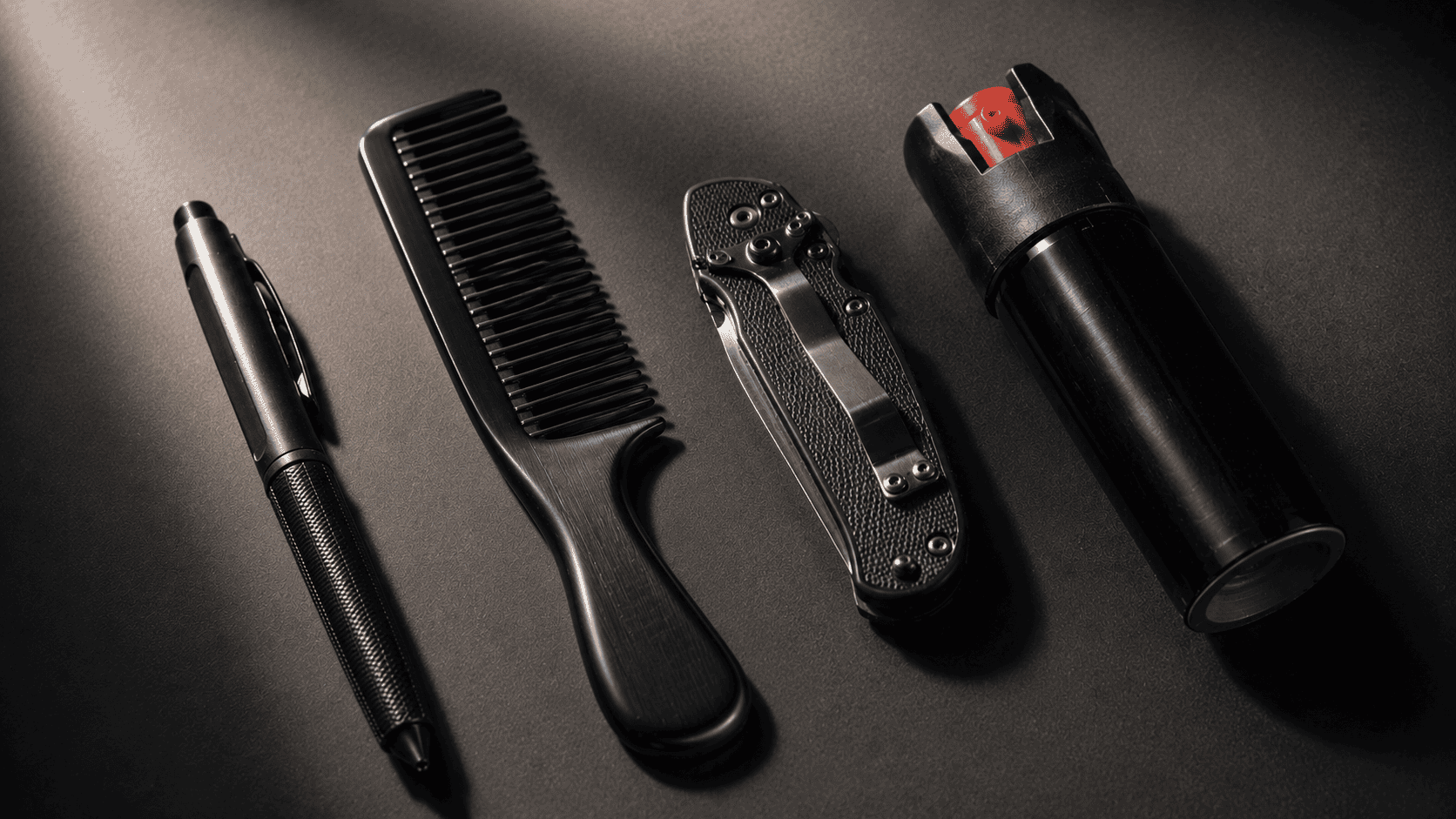
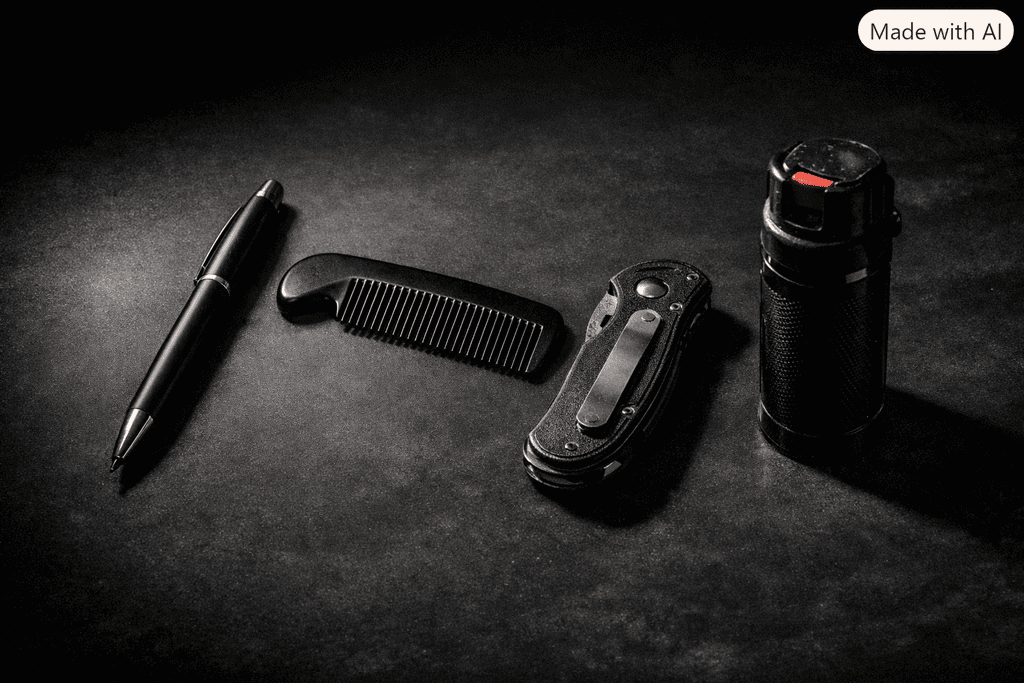
A disguised knife — sometimes called a concealment knife or novelty knife — is any blade specifically designed to look like something other than a weapon. Think pen knives that look indistinguishable from a ballpoint, comb knives, lipstick knives, credit card knives, and belt buckle blades. The law treats these differently because deception is baked into the design. A standard folding knife worn on a belt clip sends a clear signal. A knife disguised as a writing instrument is designed so that nobody — including law enforcement — can tell it’s a weapon at a glance. That intentional concealment is what triggers specific statutes that exist completely apart from your state’s general blade length rules.
Here’s the thing most people don’t realize: you can legally carry a four-inch fixed blade in many states with zero problems, but walk into that same state with a pen knife designed to look like a Bic, and you may be committing a misdemeanor or worse. The design intent matters to prosecutors. The optics matter to juries. And the statute that covers disguised knives is often buried in weapons codes that most people never think to look up.
Which states specifically ban disguised or concealment knives?
A significant number of states have explicit statutes banning knives designed to avoid detection — and the list is longer than most people expect. California, New York, Illinois, and New Jersey are among the strictest, with outright bans on knives disguised as other objects. But this isn’t just a coastal issue. Several Midwestern and Southern states have statutes covering “weapons with concealed blades” or “deceptive weapons devices” that can be interpreted broadly enough to include novelty knives.
Now look — I’m not an attorney, and this isn’t legal advice. What I am is someone who has been in this industry for 25 years and has watched good, well-meaning people get caught sideways on laws they didn’t know existed. The safest move you can make is to look up your specific state’s knife laws, then look up your city and county ordinances on top of that, because local law can be more restrictive than state law. Websites like KnifeRights.org are a solid starting point. But don’t stop there — call a local attorney if you have any real doubt.
Some states that are generally knife-friendly — Texas, Arizona, and others — have relatively permissive carry laws but may still have specific provisions targeting weapons designed to evade detection. The design-to-deceive element is the red flag legislators write statutes around, regardless of how pro-carry a state may otherwise be.
Can you legally carry a disguised knife for self-defense?
In most jurisdictions, intent does not override design when it comes to disguised knives — so “I carry it for self-defense” is not a legal defense if the knife itself is prohibited. This catches people completely off guard. Self-defense is a legally recognized justification in criminal law, but it applies to the use of a weapon in an immediate threat situation, not to the possession of a prohibited item. If the knife itself is illegal to carry, your stated defensive purpose won’t get you out of a possession charge.
I’m gonna tell you right now — I understand the appeal. A pen knife slips into your bag without drawing attention. It’s accessible. It’s small. For someone who doesn’t want to carry a firearm or even a visible folding knife, it feels like a smart middle ground. I get it. But the risk-to-reward ratio shifts dramatically the moment you cross into prohibited territory. There are legal concealed carry options — including perfectly legal small fixed blades worn under clothing in many states — that give you the same low-profile result without the legal exposure. Know what’s legal in your area before you commit to carrying anything.
What makes a knife “disguised” under the law versus just compact or concealable?
The legal line between a concealable knife and a disguised knife is more specific than it might seem — and understanding it could be the difference between a legal carry and a charge. A knife is generally considered “disguised” when its primary design is to imitate a non-weapon object so convincingly that a reasonable observer would not recognize it as a knife. A small folding knife with a clip on your pocket is concealable, but it’s still identifiable as a knife. A pen that has a knife blade inside it is designed to look like a pen first and a weapon second — that’s the distinction.
Compact fixed blades with sheaths, neck knives, and small assisted-opening folders all may qualify as concealed under certain carry laws, but they are not disguised weapons because they don’t impersonate another object. The deception element is the trigger. Courts and statutes tend to ask one question: would a reasonable person, looking at this object in its carry state, recognize it as a knife? If the answer is no by design, you’re likely in disguised weapon territory regardless of how the manufacturer marketed it.
Are there any disguised knives that are legal to own or carry anywhere?
Ownership and carry are two different things — and that distinction matters more with disguised knives than almost any other category of edged tool. In many states, you may legally own a pen knife or comb knife as a collector’s item or novelty while still being prohibited from carrying it on your person or in a vehicle. That’s a legal gap a lot of people fall into without realizing it.
Some states with minimal knife regulations may technically permit carrying a disguised knife if no specific statute addresses it — but “technically permitted by absence of a specific ban” is a shaky legal position, especially in states where prosecutors can apply broader dangerous weapons statutes. If you’re in a state with permissive knife laws and want clarity, the smartest thing you can do is look for an explicit legal permission, not just an absence of a specific prohibition. The difference between those two positions in a courtroom is enormous.
The bottom line here: there is no disguised knife that is universally legal to carry across all U.S. jurisdictions. Zero. If someone is telling you otherwise, they’re either misinformed or selling you something.
What are legal alternatives to disguised knives for low-profile self-defense?
Here’s the thing — the desire behind carrying a disguised knife is completely legitimate. You want something accessible, discreet, and effective that doesn’t announce itself. That’s smart self-defense thinking. The good news is that legal options absolutely exist for low-profile carry, and some of them are more effective than a novelty knife anyway.
Small folding knives: A compact folder with a three-inch blade carried clipped inside the pocket is discreet, legal in most U.S. jurisdictions, and fast to deploy. It doesn’t look like a pen, but it also doesn’t attract attention riding inside a pocket.
Neck knives: Small fixed blades worn on a cord under clothing are legal in many states and offer faster deployment than a folder. Check your state’s concealed carry knife laws first.
Tactical pens: A genuine tactical pen is not a disguised knife — it’s a reinforced writing instrument designed for striking and glass breaking. Entirely different legal category in most jurisdictions, and genuinely useful in a close-quarters situation.
Pepper spray: Legal in all 50 states with varying restrictions, and often more appropriate as a first-line defensive tool than a knife in most real-world encounters. Easy to carry, easy to deploy, and does not require close physical contact with a threat.
Personal alarms: Underestimated and underutilized. A 130-decibel alarm can stop a confrontation before it starts by drawing attention and disrupting an attacker’s plan. No legal complications anywhere in the country.
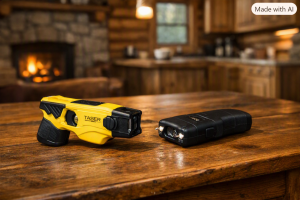
Stun devices: Legal in most states with some restrictions, stun guns and TASERs give you a non-lethal option that requires no blade knowledge and works at close range.
You don’t have to carry a gun — but carry something legal that you’ve actually practiced with. A tool you’re not comfortable deploying under stress is not a self-defense tool. It’s just extra weight.
Pen knives — blades concealed inside a functioning or non-functioning pen body — are illegal to carry in many U.S. states, including California, New York, and Illinois. Even in states with generally permissive knife laws, a pen knife may fall under statutes prohibiting weapons designed to deceive. Always check your specific state and local ordinances before carrying one, and when in doubt, consult a local attorney familiar with weapons law.
Can I legally carry a comb knife for self-defense?
In most states with explicit disguised weapon statutes, a comb knife is illegal to carry regardless of intent. Self-defense is not a defense against a possession charge — it only applies to the use of force in a genuine threat situation. If comb knives are prohibited in your jurisdiction, carrying one exposes you to criminal liability before any self-defense situation ever arises. Legal alternatives like small folding knives or pepper spray serve the same protective purpose without the legal risk.
What is the difference between a concealed knife and a disguised knife?
A concealed knife is carried out of plain sight but is recognizable as a knife when seen. A disguised knife is designed to look like an entirely different, non-weapon object — a pen, a comb, a lipstick tube. The law targets the deception element, not just the concealment. Many states that allow concealed knife carry still specifically prohibit knives designed to impersonate other objects, making this a critical legal distinction for anyone who carries edged tools.
Is it legal to own a disguised knife if I don’t carry it?
In many states, yes — ownership alone may not be prohibited even when carry is. However, some jurisdictions ban both possession and carry of disguised weapons, so ownership restrictions vary significantly. Additionally, having a prohibited item in your vehicle is often treated as carrying under the law, even if it’s in a glove box or bag. Collector’s display at home is generally lower risk, but verify the specific law in your state before assuming ownership is automatically permitted.
Do TSA or federal laws regulate disguised knives?
Yes. Knives of any kind are prohibited in carry-on luggage under TSA regulations, and disguised knives present additional complications because they may not be detected during screening, which can result in federal charges beyond a simple prohibited-item violation. Federally, items designed to conceal weapons can also implicate laws related to deceptive devices. At airports and federal facilities, the stakes around any prohibited weapon are substantially higher than at the state level.
Are credit card knives legal to carry?
Credit card knives — ultra-thin blades designed to look like a credit card — occupy complex legal territory. Some states treat them as disguised weapons; others look at blade length alone. Because they fit in a wallet and are visually indistinguishable from a payment card, prosecutors in stricter jurisdictions can argue they meet the design-to-deceive standard. Many people carry them without issue, but doing so in a restrictive state is a real legal gamble that few realize they’re taking.
What self-defense tools are legal in all 50 states?
Personal alarms are legal in all 50 states with no meaningful restrictions. Pepper spray is legal in all 50 states, though some have restrictions on formula strength, canister size, or age of the buyer. Standard folding knives under a certain blade length are broadly legal but vary by jurisdiction. No single edged weapon is universally legal in all jurisdictions without any restriction, which is one reason pepper spray and personal alarms are consistently recommended as reliable baseline self-defense tools.
What should I carry instead of a disguised knife?
A compact legal folding knife, a tactical pen, pepper spray, or a personal alarm covers most real-world self-defense scenarios without the legal exposure of a disguised knife. The best self-defense tool is one you can carry legally, access quickly under stress, and have actually practiced using. Carrying something illegal gives you a tool that could make your situation worse — both in the street and in a courtroom. Effective self-defense planning accounts for the legal environment, not just the physical threat.
The bottom line on disguised knives and the law
Here’s where we land: disguised knives are not just a knife question — they’re a legal strategy question. The blade isn’t the issue. The deception is. And deception built into a weapon’s design is exactly what legislators in many states wrote statutes to address, specifically and deliberately. Knowing that changes how you think about what you carry.
I’ve been in this business long enough to know that most people who carry a pen knife aren’t bad actors — they’re just people who want to feel safer and found something that seemed smart and discreet. I respect that instinct completely. What I want to do is make sure that instinct doesn’t cost you a criminal charge when a legal alternative would have done the same job. There are real, practical, low-profile self-defense options that don’t require you to navigate a legal gray zone. Use them. Know your state’s laws. And if you’re ever genuinely unsure, talk to an attorney before you clip something to your pocket.
Stay safe out there — and carry something you can defend yourself with in every sense of the word, legally and physically.
With over 25 years in the Self Defense Industry, Jose Diaz has provided lots of advise to those seeking to protect themselves against danger. Jose is a hard working individual who has use his skills to address the many faults of self protection in our society. As a father, Grandfather and a Great grandfather he wants to keep his family safe. This is why he has created his business, "Brainstorm Security Shop". He wants to provide people with a choice to defend themselves in case of a personal attack. His self-defense gadgets, like stun guns, pepper sprays, knifes, personal alarms and others will provide protection against any attacker. Please take a look at his products since very well can save your life in case of a personal attack. May you and your loved ones be safe and enjoy a long and prosperous life.