Quick Answer: Yes, spy and hidden cameras are generally legal in Puerto Rico for personal security use — but with conditions that most people don’t know about. Placement, consent, and purpose matter enormously. Use them in the wrong place or for the wrong reason, and you’ve crossed from security into criminal territory. Here’s what you actually need to know before you buy.
What Most People Get Wrong About Hidden Camera Laws
Here’s the thing — most people assume that if they own the property, they can put a camera anywhere they want. That’s not how it works. Not in Puerto Rico, not anywhere in the United States. Ownership gives you a lot of rights, but it doesn’t give you the right to record people in places where they have a reasonable expectation of privacy.
That phrase — reasonable expectation of privacy — is the legal dividing line that almost nobody talks about when they’re selling you a hidden camera. And it’s the one that gets people in serious trouble. A living room? Generally fair game. A bathroom or bedroom where a guest is staying? Absolutely off-limits. The difference isn’t subtle. It’s the difference between a smart security setup and a criminal charge.
Puerto Rico follows federal U.S. privacy law as a territory, and it also has its own local statutes governing electronic surveillance and voyeurism. That layered legal structure is exactly why the answer isn’t as simple as a yes or a no.
What Does Puerto Rico Law Actually Say About Surveillance Cameras?
Puerto Rico’s legal framework on surveillance draws from both federal law — primarily the Electronic Communications Privacy Act (ECPA) — and local statutes under the Puerto Rico Penal Code. The short version: video-only recording in non-private areas is generally permitted without consent. Audio recording is where things get significantly more complicated.
Puerto Rico is considered a one-party consent jurisdiction when it comes to audio recording under federal standards, meaning one person in a conversation can legally record it without telling the other parties. But hidden cameras that capture audio in private spaces — think a camera disguised as a clock in a bedroom — can run afoul of both federal wiretapping statutes and Puerto Rico’s own privacy protections.
Now look, I’m not an attorney, and nothing in this post is legal advice. What I am is someone who’s been in the self-defense and security industry for 25 years, and I can tell you that the number of people who buy hidden cameras without thinking through the audio question is staggering. That little microphone built into your spy camera? It changes the legal equation entirely depending on where you point it.
Puerto Rico has also enacted specific legislation targeting voyeurism — the unauthorized recording of individuals in private moments — under Articles 141 and 142 of the Puerto Rico Penal Code. These laws carry real penalties, including imprisonment. The intent behind the recording matters, and courts look at context carefully.
Where Can You Legally Place a Hidden Camera in Puerto Rico?
Legal placement generally comes down to two factors: who owns the space and whether the people in that space have a reasonable expectation of privacy. Here’s how it breaks down in practice.
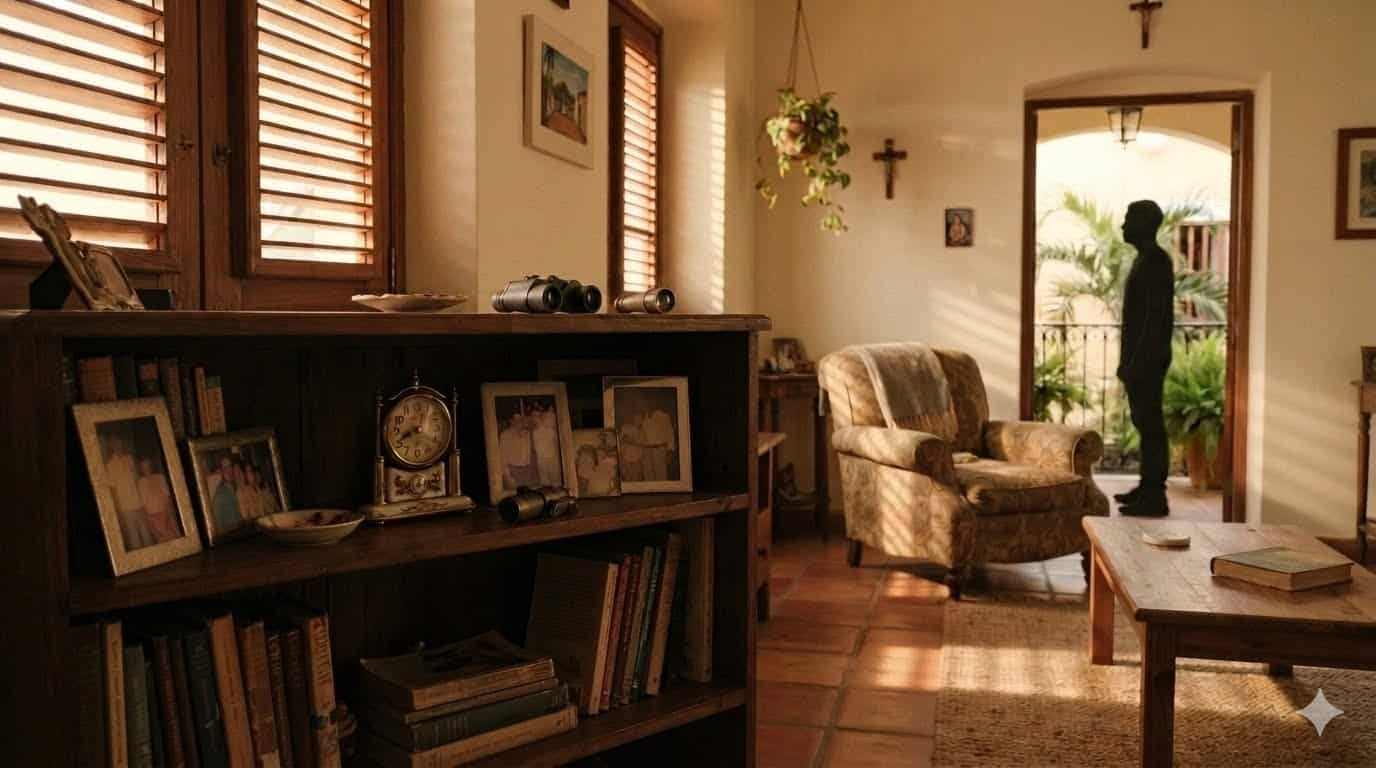
Your own home’s common areas — Living rooms, entryways, kitchens, and hallways are generally fair game. If someone is in your home with your permission, they don’t have a heightened expectation of privacy in shared spaces.
Your business property — Retail floors, lobbies, storage rooms, and parking areas are typically legal to monitor. You should, however, post visible notices that surveillance is in use. This protects you legally and deters bad actors.
Your vehicle — Dash cameras and interior vehicle cameras are widely used and generally legal in Puerto Rico. They’ve saved countless people in insurance disputes and criminal accusations.
Your rental property’s exterior and common areas — As a landlord, you can monitor entrances, exits, and shared spaces. You cannot place cameras inside a tenant’s private living areas — that’s a felony.
Where you cannot legally place a hidden camera, regardless of ownership:
Bathrooms, regardless of who owns the property
Bedrooms where guests or tenants sleep
Changing rooms or anywhere a person would undress
Any location with the intent to record someone without consent for prurient or harassing purposes
Can You Use a Hidden Camera to Catch a Thief or Monitor a Caregiver?
Yes — and this is one of the most legitimate and powerful reasons people turn to hidden cameras. Catching a dishonest housekeeper, monitoring a home health aide watching your elderly parent, or documenting a theft inside your own home. All legally defensible uses, provided the camera is placed in a non-private area.
I’m gonna tell you right now — the nanny cam scenario is one of the most emotionally charged situations I hear about from customers. Someone hires a caregiver for their child or aging parent, and something feels off. They want to know the truth. A small hidden camera in a living room or common area where care is being provided is generally legal in Puerto Rico. It has been used successfully in legal proceedings.
The key detail most people miss? If that camera is also recording audio, you need to be more careful. A video-only recording of a common area is one thing. A covert audio recording of a private conversation is another. If you’re using a hidden camera for legitimate monitoring purposes, consider disabling audio. You should in minimum consulte with a local attorney before you rely on that footage in any legal matter.
For business owners in Puerto Rico, hidden cameras have proven invaluable for documenting employee theft, customer disputes, and premises liability incidents. The hidden nature of the camera — as opposed to visible surveillance — often captures more authentic behavior. Just post general notice that the premises are monitored. That single step protects you enormously.
What Types of Spy Cameras Are Best for Legal Home and Business Use?
This is where it gets interesting — because the technology has come so far that most people don’t even know what’s available. The best hidden cameras for legitimate security use share a few traits: they’re inconspicuous, they have solid video quality, they offer motion-triggered recording so you’re not sifting through hours of nothing, and they store footage securely.
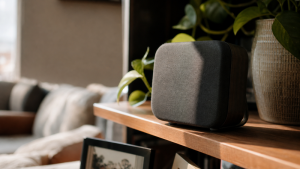
Some of the most effective spy cameras available today are built into everyday objects — clocks, smoke detectors, chargers, picture frames, and even plants. The disguise isn’t just aesthetic. It’s functional. A would-be thief or dishonest employee is far less likely to alter their behavior around something they don’t recognize as a camera.
Here are some formats worth considering for home and business use in Puerto Rico:
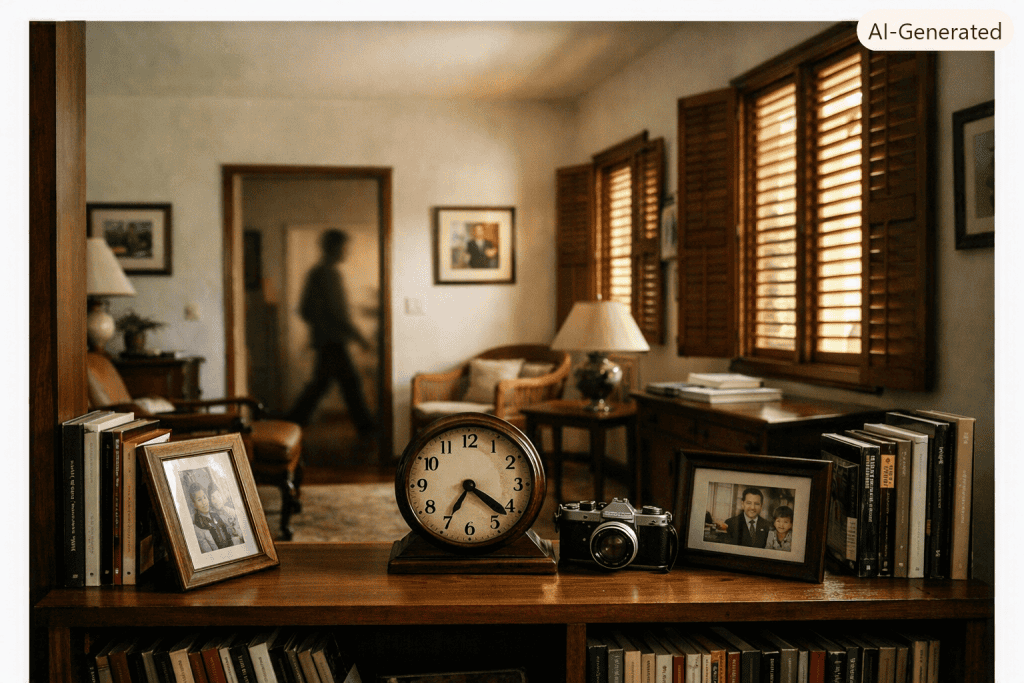
Clock cameras — Perfect for living rooms, offices, and common areas. They blend completely into any environment and typically offer wide-angle lenses.
Smoke detector cameras — High mounting position gives excellent coverage. Ideal for retail floors and entry areas.
USB charger cameras — Subtle and always in a plausible location near an outlet. Good for home offices and small business counters.
Mini pinhole cameras — For very discreet placement where a larger device would stand out. Great for targeted monitoring of a specific area.
Outdoor hidden cameras — Designed to blend into exterior fixtures. Ideal for monitoring vehicles, doorways, and garage access points.
What I always tell people: match the camera to the specific problem you’re trying to solve. Don’t just buy the most powerful thing on the shelf. Think about the angle you need. Look at lighting conditions, whether you need night vision, and whether you need remote access via your phone. Getting those details right is the difference between footage you can actually use and footage you can’t.
Does Puerto Rico Have Any Rules Specific to Employers Using Hidden Cameras?
Yes, and this is a layer of the law that even business owners in Puerto Rico frequently overlook. Puerto Rico has some of the most employee-protective labor laws in the U.S. system, and that extends into the surveillance arena.
Employers in Puerto Rico are generally permitted to use video surveillance in the workplace for legitimate business purposes — loss prevention, security, safety monitoring. However, surveillance must not be used to monitor union activity. Employees should generally be informed that surveillance may be in use. Covert surveillance targeting specific employees for discriminatory reasons or union-busting could expose an employer to significant liability under Puerto Rico law.
The practical takeaway? Post a notice. It’s the simplest, lowest-cost protection an employer can put in place. A sign that says “Premises are monitored by video surveillance” covers an enormous amount of legal ground and simultaneously deters theft and misconduct. Hidden cameras and disclosed surveillance aren’t mutually exclusive — you can have cameras people don’t know the exact location of while still giving general notice that monitoring occurs.
Frequently Asked Questions
Are hidden cameras legal to buy in Puerto Rico?
Yes, purchasing spy and hidden cameras is completely legal in Puerto Rico. The legality question only arises when it comes to how and where you use them. Buying a hidden camera for home security, business monitoring, or personal protection is lawful. What matters is placement and purpose — put it in a private space like a bathroom or use it to harass someone, and you’ve entered criminal territory.
In Puerto Rico, you are generally not required by law to notify guests that you have surveillance cameras in common areas of your own home. However, if you are renting a space or operating a business, posting a general notice of video surveillance is strongly recommended and may be legally required depending on context. When in doubt, consult a local attorney — the notice costs you nothing and protects you significantly.
Can I use a hidden camera to catch a nanny or caregiver?
Yes. Placing a hidden camera in a living room, kitchen, or other common area of your own home to monitor a caregiver is generally legal in Puerto Rico, provided you own the space and it is not an area where someone has a reasonable expectation of privacy. Video-only recordings in common areas are the safest approach. If the camera also records audio, the legal picture becomes more complex and consulting an attorney is advisable.
Is it illegal to record someone without their knowledge in Puerto Rico?
It depends entirely on the location and the nature of the recording. Recording someone in a public or common area without their knowledge is generally permitted. Recording someone in a private space — bathroom, bedroom, changing area — without consent is illegal under both Puerto Rico’s Penal Code and federal law. Audio recording without consent adds another layer of complexity. Location and context are everything when it comes to consent requirements.
Can landlords put hidden cameras in rental properties in Puerto Rico?
Landlords may legally monitor common areas, building entrances, parking lots, and exterior spaces. Placing any camera inside a tenant’s private living space — bedrooms, bathrooms, even general living areas within the rental unit — is illegal and constitutes a serious criminal offense under Puerto Rico voyeurism statutes. A landlord’s ownership of the property does not override a tenant’s right to privacy inside their rented home. This line is clear and non-negotiable.
What’s the difference between a spy camera and a security camera legally?
From a legal standpoint in Puerto Rico, the distinction is not about the device itself — it’s about the intent and placement. A visible security camera and a hidden spy camera are both subject to the same fundamental privacy rules. The “spy” label doesn’t create additional illegality on its own. What matters is whether the camera captures people in spaces where they have a reasonable expectation of privacy and whether the recording is used for lawful versus unlawful purposes.
Can hidden camera footage be used as evidence in Puerto Rico courts?
Yes, lawfully obtained hidden camera footage can be and has been used as evidence in Puerto Rico criminal and civil proceedings. The key word is lawfully obtained — footage recorded in a manner that violated privacy laws or wiretapping statutes may be inadmissible and could also expose the recorder to criminal liability. If you capture something on a hidden camera that you intend to use in legal proceedings, consult an attorney before doing anything with that footage.
Do hidden cameras with audio require different consent in Puerto Rico?
Yes, and this distinction matters more than most people realize. Puerto Rico generally operates under federal one-party consent rules for audio recording, meaning one participant in a conversation can record without notifying the other. However, covert audio recording in a private space where you are not a participant — essentially eavesdropping — is a different matter entirely and may violate both federal and local law. When using cameras with built-in microphones, understand what you’re capturing and why.
The Bottom Line on Hidden Cameras in Puerto Rico
Here’s where I land after 25 years in this industry: hidden cameras are one of the most powerful and underused personal security tools available to homeowners, parents, and business owners in Puerto Rico. The technology is better than ever. The prices are more accessible than ever. And the peace of mind that comes from actually knowing what’s happening in your home or business? That’s priceless.
But a tool you use carelessly is worse than no tool at all. The legal lines around hidden cameras are real, they’re enforced, and they exist for good reason. Use them in common areas you own. Avoid audio recording unless you know exactly what you’re doing. Post notice in business environments. And if you’re dealing with a sensitive situation — a caregiver you’re concerned about, a suspected theft, a custody dispute — talk to a local attorney before you rely on that footage for anything official.
At Brainstorm Security Shop, we carry a range of hidden cameras designed for legitimate home and business security use. If you’ve got questions about which one fits your specific situation, reach out. I’d rather spend ten minutes helping you pick the right tool than have you buy something that doesn’t solve your problem — or worse, creates a new one.
Stay safe out there. May you and your loved ones stay protected.
With over 25 years in the Self Defense Industry, Jose Diaz has provided lots of advise to those seeking to protect themselves against danger. Jose is a hard working individual who has use his skills to address the many faults of self protection in our society. As a father, Grandfather and a Great grandfather he wants to keep his family safe. This is why he has created his business, "Brainstorm Security Shop". He wants to provide people with a choice to defend themselves in case of a personal attack. His self-defense gadgets, like stun guns, pepper sprays, knifes, personal alarms and others will provide protection against any attacker. Please take a look at his products since very well can save your life in case of a personal attack. May you and your loved ones be safe and enjoy a long and prosperous life.