Which States Have Rules Around Diversion Safes? A State-by-State Breakdown
Quick Answer: In most U.S. states, diversion safes are completely legal to own and use. No federal law prohibits them. However, a small number of states have laws that could affect how you use a diversion safe – particularly if it’s used to conceal a controlled substance or a firearm. Know your state, know the context, and you’ll be fine.
What Exactly Is a Diversion Safe and Why Do People Use Them?
A diversion safe is a concealment device designed to look like an ordinary household item – a can of soup, a hairspray bottle, a book, a wall outlet, a soda can. The idea is simple: a burglar tearing through your house in 8 minutes isn’t going to shake every can in your pantry. Most home invasions are smash-and-grab. Thieves go for the obvious – jewelry boxes, dresser drawers, nightstands. A diversion safe hides your valuables in plain sight.
Now look, I’ve recommended diversion safes to a lot of people over the years – parents hiding emergency cash, elderly folks who don’t trust banks for small amounts, women who want to keep a small firearm accessible without a big gun safe. They work. They’re low-cost, no-install, and genuinely effective against the average opportunist thief. But here’s the thing – like any tool, you need to understand the rules in your state before you rely on one.
Are Diversion Safes Illegal in Any State?
No state has a law that specifically bans the ownership of a diversion safe as a standalone product. That’s the direct answer. However – and this is the part that matters – several states have laws that can make the use of a diversion safe a criminal act depending on what’s inside it or what your intent is determined to be.
Here’s the critical distinction you need to understand:
Owning a diversion safe: Legal in all 50 states.
Using a diversion safe to conceal illegal drugs: Potentially prosecuted as drug paraphernalia in most states.
Using a diversion safe to conceal a firearm from law enforcement during a legal stop: Could raise serious legal issues depending on state disclosure laws.
Selling diversion safes with the intent that they’ll be used for drug concealment: Illegal under federal paraphernalia statutes and many state laws.
The safe itself is not the problem. Your intent and what you put inside it – that’s where legal exposure lives.
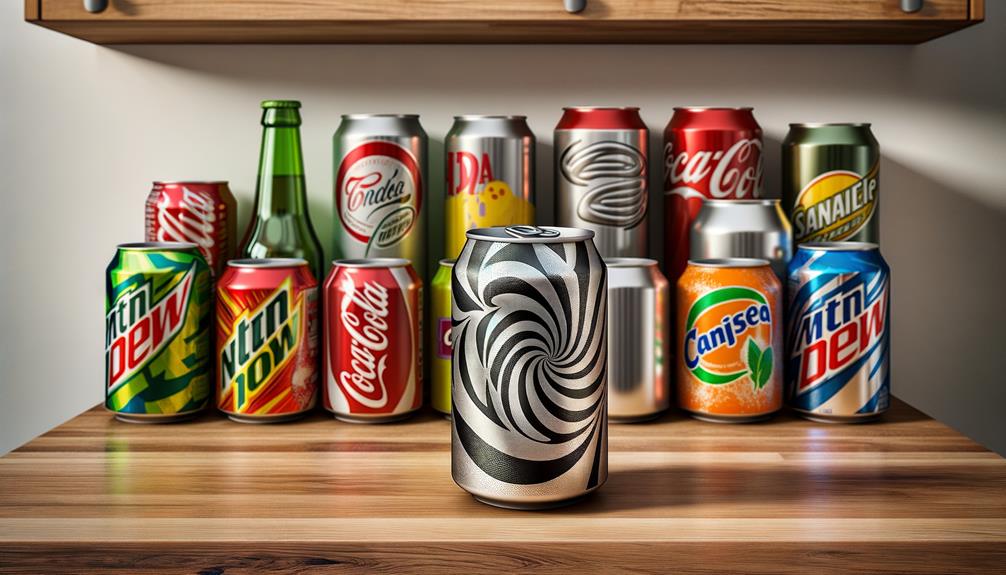
Diversion Safes On Top Of A Shelve
Which States Have the Strictest Paraphernalia Laws That Could Affect Diversion Safe Use?
I’m gonna tell you right now – this is the section you need to read carefully. Drug paraphernalia laws vary significantly by state, and because diversion safes are sometimes marketed loosely in the retail space, a few states have taken a hard look at concealment devices in general.
States Where Paraphernalia Laws Are Broadly Written
Florida: Florida Statute 893.145 defines drug paraphernalia broadly and includes any object used to conceal a controlled substance. If a diversion safe is found in proximity to drugs during a search, law enforcement has the legal language to include it as paraphernalia. Keep your diversion safe clean and away from any controlled substances.
Texas: Texas Health and Safety Code Chapter 481 uses broad language around paraphernalia, and context matters heavily. A diversion safe near narcotics is a red flag that could result in an additional paraphernalia charge. Intent is a key factor – and prosecutors have wide latitude.
Georgia: Georgia’s drug paraphernalia statute covers concealment devices. The same rule applies: the safe itself isn’t the issue, but association with controlled substances can create legal exposure.
Indiana: Indiana Code 35-48-4-8.3 covers paraphernalia broadly. Indiana has historically been aggressive in paraphernalia enforcement, and concealment devices are within the scope of the law if linked to drug activity.
Virginia: Virginia Code 18.2-265.1 defines paraphernalia to include items used to conceal controlled substances. The same pattern applies here – the safe alone is fine; the context determines legality.
States With More Relaxed Paraphernalia Frameworks
Oregon: Following Measure 110 and subsequent legislative changes, Oregon significantly decriminalized personal drug possession, which effectively reduced paraphernalia enforcement in many scenarios. Diversion safe use here carries lower legal risk in most contexts.
Colorado: Colorado has broadly decriminalized personal drug possession under certain thresholds. Paraphernalia enforcement is generally less aggressive, and diversion safes are widely sold and used without issue.
California: California Health and Safety Code 11364 covers paraphernalia, but enforcement context matters heavily. Diversion safes are sold openly throughout the state. As long as you’re not using one in connection with a drug offense, you have no exposure.
New York: New York law covers paraphernalia but has generally not targeted concealment containers specifically. The state’s focus has shifted toward larger drug enforcement priorities. Diversion safes are widely available and used without issue for legitimate purposes.
Diverson Safes On Top Of A Table
What About Using a Diversion Safe to Store a Firearm?
Here’s where I want you to pay close attention, because this is a use case I hear about regularly – someone wants a quick-access concealment spot for a handgun without a traditional gun safe. A diversion safe can work for that, but you need to think through several important warnings.
Child access prevention laws: States including California, Massachusetts, Connecticut, New Jersey, and several others have child access prevention laws that require firearms to be stored in a way that prevents children from accessing them. A diversion safe – especially a lightweight canister-style one – does not meet the standard of a locked container under those laws. If a child accesses a firearm stored in a diversion safe, you could face criminal charges.
Secure storage requirements: California’s 2019 gun storage laws are among the strictest in the country. A diversion safe is not an approved secure storage device under California Penal Code 25135. Know this before you use one to store a firearm in California.
Disclosure laws during traffic stops: Some states require you to disclose whether you have a firearm during a law enforcement stop. If you have a firearm in a diversion safe in your vehicle, that doesn’t exempt you from disclosure requirements. Know your state’s laws on this.
Theft recovery: A diversion safe is a deterrent, not a vault. A determined thief who takes the whole can or container walks away with your firearm. For firearms, I generally recommend a diversion safe only as a secondary layer – not as your primary storage solution.
What’s the Safest Way to Use a Diversion Safe Without Legal Risk?
This is good for anyone who wants to use a diversion safe the right way. Follow this checklist and you’ll be in solid shape in every state:
Only store legal items. Cash, jewelry, small documents, legal medications in their original containers, and similar valuables are the appropriate contents for a diversion safe.
Never store controlled substances in a diversion safe. Regardless of your state’s drug laws, mixing a concealment device with controlled substances creates legal exposure – full stop.
If storing a firearm, verify your state’s storage requirements first. In states with strict secure storage laws, a diversion safe alone is not compliant. Pair it with a proper locking mechanism or use a dedicated gun safe instead.
Keep your diversion safe in an area consistent with its disguise. A fake soup can makes sense in the kitchen. A fake book makes sense on a shelf. An out-of-place item sitting alone in a room draws attention rather than deflecting it.
Don’t tell people about it. This sounds obvious, but the whole point of a diversion safe is that it’s a secret. The more people know, the less effective it is – and the more it could complicate things if your home is ever involved in a legal matter.
Rotate your disguise item regularly. Family members, housekeepers, and guests notice patterns. Switching up your diversion safe periodically keeps it effective.
Do You Need a License or Permit to Own a Diversion Safe?
No. There is no state in the U.S. that requires a permit, license, or registration to purchase or own a diversion safe. You can buy one right now, have it shipped to your home, and use it legally in all 50 states – as long as you’re using it for its legitimate purpose: concealing legal valuables from thieves.
Can Retailers Get in Trouble for Selling Diversion Safes?
This is a real concern in the retail space. Federal law – specifically 21 U.S.C. 863 – makes it illegal to sell drug paraphernalia, and that law has been applied to retailers who market concealment products with language suggesting they’re intended for drug concealment. As a retailer, I’m very deliberate about how we describe and sell these products. We sell them for what they are: home security concealment devices for valuables. That’s the intent, that’s the marketing, and that’s the use case we support.
If you see a retailer explicitly marketing a diversion safe as a way to hide drugs from law enforcement, that’s a red flag – and a potential federal offense for them.
Frequently Asked Questions About Diversion Safe Laws
Is it legal to mail a diversion safe?
Yes. Diversion safes can be legally shipped through USPS, UPS, FedEx, and other carriers throughout the United States. There are no federal shipping restrictions on diversion safes as stand-alone products. The contents you place inside them are a separate matter – shipping controlled substances is illegal regardless of how they’re concealed.
Can a police officer confiscate my diversion safe?
If you are not engaged in any illegal activity, a police officer generally cannot seize a diversion safe without probable cause. However, if it is found near controlled substances or is considered relevant to a criminal investigation, it can be seized as evidence. Keep your diversion safe free of any association with illegal items and you eliminate this risk entirely.
Does a diversion safe qualify as a secure storage device for firearms in California?
No. California’s secure storage laws require a locked container or a firearm safety device approved by the state. A typical diversion safe does not meet that standard. If you store a firearm in California, use a certified gun safe or lock box that complies with Penal Code 25135. A diversion safe can supplement your security plan but cannot replace a compliant storage device.
Against opportunistic thieves – which represent the majority of residential burglars – yes, diversion safes are genuinely effective. A professional thief with time and knowledge may check common hiding spots more thoroughly. The key is pairing a diversion safe with other security layers: a home alarm system, motion lighting, and strong door and lock hardware. No single product is a complete solution.
What’s the best type of diversion safe for home use?
The best diversion safe is one that naturally fits into your environment. A can of soup in a well-stocked pantry is convincing. A single fake canister sitting alone on a shelf is not. Choose a product that blends into a space you already have – a bookshelf, a kitchen cabinet, a bathroom shelf. Realistic product weight and appearance are the most important factors in effective concealment.
Can I travel with a diversion safe?
You can transport a diversion safe across state lines legally. If you’re flying, be aware of TSA rules – they can inspect any container, and a concealment device may prompt additional screening. Never use a diversion safe to bring anything illegal across state lines, as that creates serious federal exposure. For road travel, diversion safes in your vehicle are perfectly legal for storing cash or documents.
Are there any federal laws that directly ban diversion safes?
No federal law specifically bans diversion safes as a product category. The relevant federal law – 21 U.S.C. 863 – targets paraphernalia used in connection with controlled substances. A diversion safe used for legitimate concealment of valuables does not fall under this statute. The law focuses on intent and use, not the object itself when sold and used appropriately.
What should I store in a diversion safe?
Diversion safes are ideal for cash reserves, spare keys, small amounts of jewelry, important documents like a passport copy or backup ID, and small legal valuables. They are not designed for high-value items that need fire protection or forcible-entry resistance. Think of them as a first-layer deterrent against casual theft, not a replacement for a quality home safe for your most critical items.
Final Word: Use It Right and You Have Nothing to Worry About
I’m gonna wrap this up the same way I’d wrap it up talking to you face to face: diversion safes are legitimate, effective, and legal tools for protecting your valuables from the thieves most likely to target your home. No state bans them outright. The legal risk only appears when someone makes the bad decision to use them to conceal illegal items – and at that point, the diversion safe is the least of their problems.
Use it for what it’s designed for. Store your emergency cash. Hide a spare key. Keep a little jewelry out of plain sight. Buy one that fits your space naturally. And if you’re thinking about using one to store a firearm, do your homework on your state’s storage requirements first – because in several states, that’s where the rules get specific and the stakes get real.
You’ve got options. Use them smart. Stay safe out there.
With over 25 years in the Self Defense Industry, Jose Diaz has provided lots of advise to those seeking to protect themselves against danger. Jose is a hard working individual who has use his skills to address the many faults of self protection in our society. As a father, Grandfather and a Great grandfather he wants to keep his family safe. This is why he has created his business, "Brainstorm Security Shop". He wants to provide people with a choice to defend themselves in case of a personal attack. His self-defense gadgets, like stun guns, pepper sprays, knifes, personal alarms and others will provide protection against any attacker. Please take a look at his products since very well can save your life in case of a personal attack. May you and your loved ones be safe and enjoy a long and prosperous life.