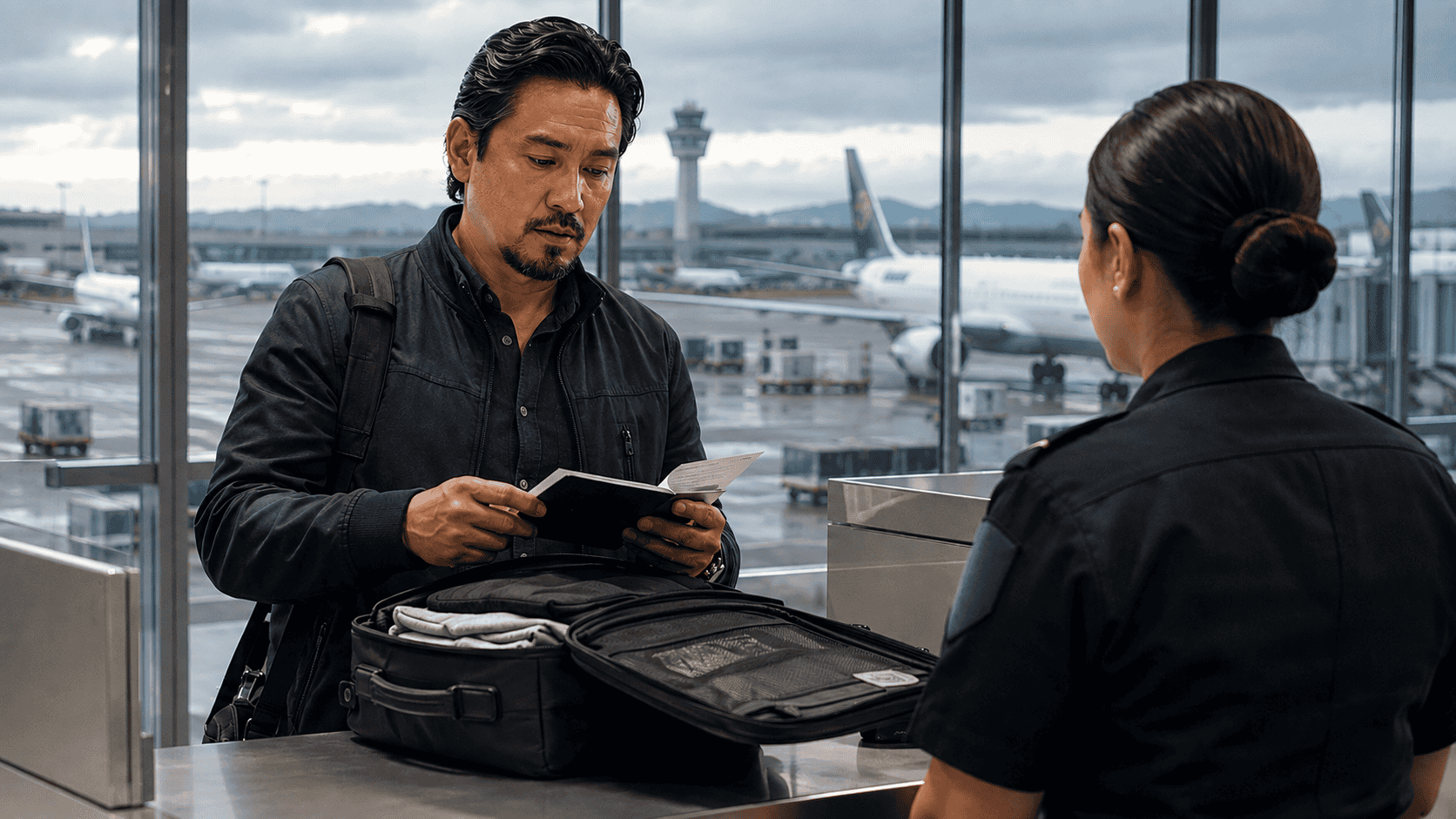
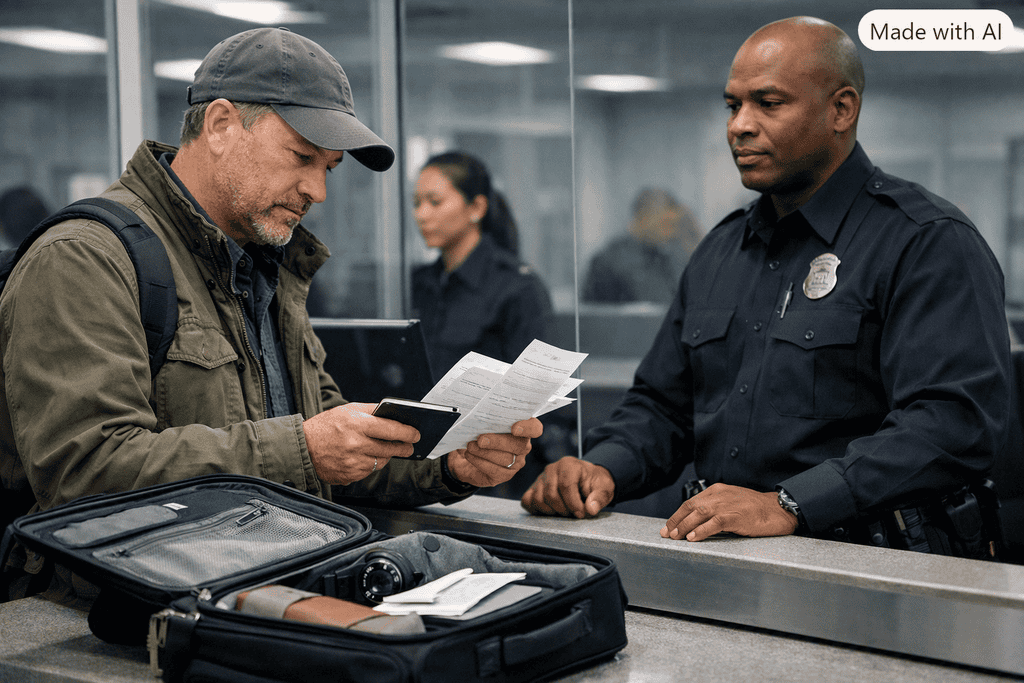
Most countries do not allow tourists to carry stun guns, and getting this wrong can land you in jail, cost you heavy fines, or get your device confiscated at the border. A small number of countries — including Canada (with restrictions), parts of Europe, and some regions in Asia — permit civilian ownership under specific conditions, but the rules change fast and vary wildly even within the same nation. Before you pack anything, you need to verify current law in every country on your itinerary.
Why do stun gun laws vary so much from country to country?
Here’s the thing — stun guns sit in a legal gray zone that most governments haven’t quite figured out. Some classify them as firearms. Some classify them as weapons. Some don’t classify them at all, which creates its own confusion. The voltage output, the design, whether it looks like something else, whether it’s being carried concealed — all of these factors influence how customs officials and local police interpret what you’re holding.
The bottom line: never assume. Just because you can legally buy a stun gun at home doesn’t mean you can legally carry one in another country. The consequences aren’t worth the gamble. A tourist who shows up in a country with a strict weapons ban and a stun gun in their luggage is going to have a very bad day — and a very expensive one.
Which countries allow stun guns for tourists?
The list of countries that permit tourists to possess or carry stun guns is short, and even within those countries, the rules come with serious conditions attached. Here’s a region-by-region breakdown of where things currently stand. Always verify with the destination country’s embassy or a local attorney before you travel — laws change without notice.
North America
United States: Stun guns and Tasers are legal in most U.S. states, though a handful of states, cities, and counties have bans or restrictions. As a tourist visiting the U.S., you can generally purchase and carry one — but check the specific state laws for everywhere you plan to visit.
Canada: Stun guns are classified as prohibited weapons under the Criminal Code of Canada. Tourists cannot legally possess them. Full stop. Do not bring one to Canada.
Mexico: Stun guns fall under federal weapons law and are effectively prohibited for civilian use. Tourists should not attempt to bring one across the border.
Europe
Germany: Stun guns are legal for civilians, but they must carry a PTB (Physikalisch-Technische Bundesanstalt) certification. Uncertified devices — including most American stun guns — are prohibited. Tourists who want to carry one must ensure the device meets German standards.
Czech Republic: Stun guns are generally permitted for civilian use. One of the more permissive countries in the EU on this topic.
Switzerland: Permitted for adults, though carrying in certain public spaces may be restricted.
Finland: Allowed for personal protection under certain conditions, but regulations apply.
United Kingdom:Prohibited. Stun guns are classified as firearms under UK law. Possession can result in criminal charges. Do not bring one to the UK.
France, Italy, Spain, Netherlands, Belgium: Generally prohibited or heavily restricted for civilians, including tourists. Enforcement is serious. Do not risk it.
Asia-Pacific
Australia: Prohibited in most states as controlled weapons. Do not bring a stun gun to Australia.
New Zealand: Prohibited. Classified as offensive weapons.
Japan: Effectively banned for civilian use. Do not bring one.
Hong Kong / China: Prohibited. Serious criminal penalties apply.
Philippines: Some civilian ownership is permitted, but tourist possession is murky and risky. Not recommended.
Middle East and Africa
Israel: Stun guns require a license. Tourists cannot simply carry them without proper documentation.
Most other Middle Eastern and African nations: Either prohibited or so poorly defined that possession creates extreme legal risk. Avoid entirely.
What happens if you bring a stun gun to a country where they’re banned?
I’m gonna tell you right now — it’s not a slap on the wrist. Depending on the country, consequences can include:
Immediate confiscation at customs or a border checkpoint
Detention for questioning, sometimes for hours or days
Criminal charges that follow you home and affect future travel
Heavy fines — in some countries, equivalent to thousands of dollars
Imprisonment in countries with zero-tolerance weapons policies
In places like Japan, Singapore, or the UAE, weapons laws are enforced without exceptions for ignorance. “I didn’t know” is not a legal defense in any jurisdiction on Earth. The device will be seized, you may be detained, and depending on local law, you could face prosecution. Your vacation just became a nightmare.
How do you check if a stun gun is legal in a specific country before you travel?
Now look — you can find general information online, including right here. But for travel decisions that could result in criminal charges, you need to go beyond a blog post. Here’s the exact checklist I’d use:
Check the destination country’s official embassy website for the country you’re traveling from. Many embassies list prohibited items for incoming visitors.
Contact the destination country’s customs authority directly via email or phone. Get a written response if possible — it documents your due diligence.
Search the destination country’s penal or criminal code for terms like “electroshock weapon,” “stun device,” “Taser,” or “electric weapon.” These are the legal classifications most commonly used.
Consult a local attorney in your destination country if you plan to carry any self-defense tool for an extended stay. This is especially important for expats and long-term travelers.
Check travel forums like TripAdvisor, Lonely Planet, and Reddit’s travel communities for recent first-hand accounts — but verify anything you find there against official sources. Forum info goes stale fast.
Review TSA and airline policies for transport. Even if something is legal at your destination, airlines may prohibit it in carry-on or checked baggage. TSA prohibits stun guns in carry-on luggage entirely.
Can you ship a stun gun to a country where it’s legal?
Shipping is a separate legal question from carrying. Even if a country allows civilian possession of stun guns, international shipping of electroshock devices is regulated by customs authorities in both the sending and receiving country, plus the carrier’s own policies. Most major carriers — FedEx, UPS, DHL — have restrictions on shipping electroshock weapons internationally. Some countries will seize imported devices at the border regardless of local legality. If you’re planning to travel to a country where stun guns are legal and want to have one there, your safest move is to purchase the device locally, from a retailer in that country, under their regulations.
What are the safest legal alternatives for tourists who want personal protection abroad?
Here’s the thing — if you’re traveling to a country where stun guns aren’t permitted, that doesn’t mean you have to be defenseless. Several personal safety tools are legal in more places than stun guns:
Personal alarms: Legal in virtually every country on Earth. A 130dB alarm draws attention immediately and requires zero training to use. I always recommend these as a baseline for anyone traveling internationally.
Tactical flashlights: Legal everywhere. A heavy-duty flashlight is a legitimate tool with an obvious purpose. In a pinch, it’s also a solid striking instrument.
Whistle: Sounds simple. Works everywhere. Has saved lives.
Pepper spray: Legal in more countries than stun guns, but still restricted in many. Always check local law before carrying. Some countries allow it only in small concentrations.
Situational awareness and travel safety habits: Not a product, but the single most effective protection tool available. Know where you’re going, tell someone your plans, avoid isolated areas at night, trust your gut.
You don’t have to carry a gun, but carry something — and make sure that something is legal where you’re standing.
Frequently Asked Questions
Can I bring a stun gun on an international flight?
No. TSA prohibits stun guns in carry-on baggage on all flights departing from U.S. airports. Some airlines allow stun guns in checked baggage under specific conditions, but you must also verify legality at your destination country. In practice, bringing a stun gun on an international flight creates serious risk of confiscation and legal consequences at your destination. Leave it at home.
Is it legal to carry a stun gun in Canada as a tourist?
No. Canada classifies stun guns as prohibited weapons under its Criminal Code. This applies to everyone — residents and tourists alike. Attempting to cross the Canadian border with a stun gun, even in checked baggage, can result in confiscation, fines, and criminal charges. Do not bring one to Canada under any circumstances.
Are stun guns legal in Germany for tourists?
Germany permits stun guns that carry PTB certification — a German safety standard. American-manufactured stun guns typically do not meet this standard and are therefore prohibited. Tourists cannot simply bring a device from home and expect it to be legal. If you want to carry one in Germany, you would need to purchase a PTB-certified device within the country and understand local carry restrictions.
What countries in Europe allow tourists to carry stun guns?
A limited number of European countries permit civilian stun gun ownership, including Germany (with PTB certification), the Czech Republic, Switzerland, and Finland. However, laws differ on carrying in public versus keeping a device at home, and regulations change. The UK, France, Italy, Spain, and most of Western Europe prohibit them entirely. Always verify current law with the destination country’s embassy before any travel.
Personal alarms are the most universally legal personal safety tool available. They are not classified as weapons in virtually any country, require no permit or registration, are permitted on most flights in carry-on baggage, and are effective at drawing attention in an emergency. If you’re unsure what you can legally carry in a destination country, a personal alarm is your safest starting point.
Can laws about stun guns for tourists change without warning?
Yes, and this is a critical point. Weapons laws are updated regularly, and what was permitted last year may be prohibited today. Political events, high-profile incidents, and changes in government can all trigger rapid legal changes. Never rely solely on information that is more than six months old. Always verify directly with the destination country’s customs authority or embassy before you travel.
What should I do if my stun gun is confiscated at customs?
Cooperate fully with customs officials. Do not argue, do not claim ignorance aggressively, and do not attempt to conceal the device. In many countries, confiscation is the end of the matter if you comply calmly. Resistance or dishonesty can escalate a confiscation into a criminal matter. Accept the loss of the device, document what happened, and contact your country’s local consulate if you are detained or charged.
Is it worth traveling with a stun gun to a country where it might be legal?
Rarely. The risk-to-reward ratio is almost never in your favor. Even in countries where stun guns are technically permitted, enforcement is inconsistent and the consequences of being on the wrong side of a judgment call are severe. A personal alarm, basic situational awareness, and smart travel habits will protect you more reliably in most international travel scenarios without putting you in legal jeopardy.
The Bottom Line
I’ve been in this business for over 25 years, and the single most dangerous mistake I see travelers make is assuming the rules at home apply everywhere else. They don’t. Stun guns are prohibited in the majority of countries worldwide, and even in the handful of places that permit them, the conditions are specific enough that most tourists won’t qualify or won’t have the right device. The legal and personal consequences of getting it wrong are serious.
Before you pack any self-defense tool for international travel, do the research. Check official sources. Verify current law. And if there’s any doubt at all, choose a legal alternative — like a personal alarm — that you can carry confidently without risking your freedom or your trip. Stay safe out there, and may you and your loved ones always come home.
With over 25 years in the Self Defense Industry, Jose Diaz has provided lots of advise to those seeking to protect themselves against danger. Jose is a hard working individual who has use his skills to address the many faults of self protection in our society. As a father, Grandfather and a Great grandfather he wants to keep his family safe. This is why he has created his business, "Brainstorm Security Shop". He wants to provide people with a choice to defend themselves in case of a personal attack. His self-defense gadgets, like stun guns, pepper sprays, knifes, personal alarms and others will provide protection against any attacker. Please take a look at his products since very well can save your life in case of a personal attack. May you and your loved ones be safe and enjoy a long and prosperous life.