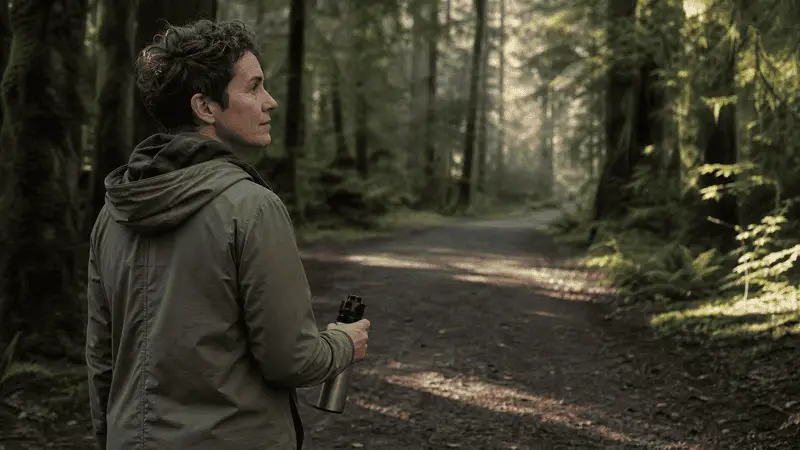
Bear spray is a high-concentration aerosol deterrent made from oleoresin capsicum — the same compound that gives hot peppers their heat — formulated specifically to stop a charging bear at distances up to 30 or 35 feet. It is EPA-registered, designed for outdoor deployment in open air, and delivers a large-volume cloud rather than a tight stream, making it fundamentally different in design, concentration, and purpose from standard pepper sprays carried for personal protection.
Now look — here’s where it gets interesting. Most people hear “bear spray” and immediately file it under “camping gear, not my problem.” But that framing is exactly backward. What bear spray actually represents is a category of deterrent technology that solves a problem most personal defense sprays aren’t even designed to address. Once you understand what makes it different — not just bigger, but architecturally different — you start asking better questions about when to use it, when not to, and why it matters to more people than just hikers in Yellowstone.
What makes bear spray different from regular pepper spray?
The difference isn’t just size. That’s the assumption worth challenging first. A lot of people look at a bear spray canister next to a keychain pepper spray and think they’re looking at the same thing in different packaging. They’re not.
Standard personal defense sprays are designed for close-range, precision deployment — typically in a tight stream or gel pattern, aimed at a specific target, at distances of six to twelve feet. They’re built for concealment, portability, and fast deployment in an urban confrontation. Bear spray is built around an entirely different threat profile: a 400-pound animal moving at 35 miles per hour, closing distance faster than a human can aim precisely.
To stop that, bear spray uses a wide, fog-pattern deployment that saturates a large area in front of the shooter — typically a cone 30 feet deep. The EPA requires that registered bear sprays contain between 1.0% and 2.0% major capsaicinoids (the actual burning compounds), and the minimum content rules ensure enough active material reaches the target even in outdoor conditions. Most personal defense sprays are measured in Scoville Heat Units rather than capsaicinoid percentage, which makes direct comparison tricky — but the delivery architecture and volume are genuinely different at a design level, not just a size level.
Here’s the thing: that fog pattern is exactly what makes bear spray simultaneously more effective in wide-open outdoor scenarios and less effective in indoor or enclosed spaces. Understanding that tradeoff is the whole ballgame.
How does bear spray actually stop a bear?
The mechanism is worth understanding because it’s counterintuitive. Bear spray doesn’t injure the animal. It doesn’t need to. What it does is cause immediate and overwhelming irritation to the eyes, nose, mouth, and respiratory system — and bears, with their extraordinary sense of smell, are exceptionally vulnerable to airborne capsaicin compounds.
Research published by bear behavior scientists has consistently shown that bear spray is more effective at preventing injury during bear encounters than firearms. That finding surprises people every time, but it makes sense when you think it through. A charging bear is an enormous, fast-moving target in a high-stress moment. A cloud of capsaicin fog placed between you and the bear doesn’t require precision. It works with the physics of the situation rather than against them.
The effect is temporary — typically 30 to 45 minutes of intense irritation before the animal recovers with no permanent damage. That window is all you need. Get out of the area. The bear isn’t harmed. You’re not harmed. The encounter ends.
I’m gonna tell you right now — that non-lethal, non-injurious outcome is a big part of why bear spray exists as a distinct product category. It was designed from the ground up to deter, not damage. That philosophy carries implications worth thinking about beyond the wilderness.
Can bear spray be used for human self-defense?
This is where most bear spray articles go silent, and it’s the question I think is worth asking out loud. Technically, bear spray contains the same class of active compounds as human-targeted defensive sprays. Technically, it would be intensely effective against a human attacker. But here’s the honest answer: it was not designed, tested, or EPA-registered for that purpose, and using it that way raises real legal questions that vary by state and situation.
Beyond the legal angle, the practical argument against using bear spray as a human defense tool is the same thing that makes it powerful outdoors — the fog cloud. In a closed space, an indoor hallway, a parking garage — that cloud affects everyone in the area including you. You do not want to be inside a bear spray deployment. The volume of compound released is significant.
This is good for: hikers, backpackers, cyclists in wildlife country, forest service workers, anyone working or recreating in bear habitat. This is not good for: a substitute for a purpose-built personal defense spray in an urban environment. The tools are different because the threats are different. Respect that design intent.
If you want to understand how bear spray range and cloud pattern work in real-world conditions, I’d point you to our breakdown on bear spray range and coverage — there are numbers in there that will change how you think about deployment distance.
What should you actually look for when buying bear spray?
Start with EPA registration. If it’s not EPA-registered as a bear deterrent, it’s not bear spray — it’s a large pepper spray canister, and those are two different things with different concentration and volume requirements. Don’t let packaging fool you.
Next, look at capsaicinoid percentage. You want at least 1.0% major capsaicinoids. Many quality canisters run at 1.33% to 2.0%. Higher isn’t automatically better — the delivery system matters as much as concentration — but you want to be in that range.
Canister volume is the third factor. Bear spray encounters happen fast. You want a canister that gives you multiple seconds of continuous deployment — most registered canisters hold seven to nine seconds of spray, which sounds short until you realize how much ground a charging bear covers in three. More volume means more margin.
Check the expiration date. Capsaicin degrades and propellant pressure drops over time. A canister sitting in your pack from three camping seasons ago may not perform the way you need it to. Replace on schedule.
Finally: holster. A bear spray canister that takes 45 seconds to dig out of a backpack is a liability, not a tool. It has to be accessible instantly, which means a belt or chest holster that puts it within reach in a moment. The best canister in the world is useless if you’re fumbling for it.
Is bear spray legal everywhere in the United States?
Generally yes, but with variations worth noting. Bear spray is legal in all 50 states for its intended purpose — wildlife deterrence — but some states have restrictions that affect how it can be transported, stored, or what concentration is permissible under local laws. National parks generally allow it. Some wilderness areas have specific rules. A handful of urban jurisdictions have laws around large-capacity aerosol deterrents that could technically apply.
I’m not going to hand you legal advice — that’s not my lane. What I will tell you is: check the rules for wherever you’re going before you go. A quick search for your destination state’s regulations takes five minutes and saves you problems. Don’t assume that because it’s wildlife safety equipment it’s automatically unrestricted everywhere you carry it.
How do you actually use bear spray in an encounter?
Here’s the part most people skip, and skipping it is the mistake. Owning bear spray and knowing how to deploy it under stress are two completely different things. Practice the draw before you’re in the field. Practice removing the safety clip. Practice the motion until it’s automatic, because under real adrenaline, fine motor skills degrade fast.
When a bear charges: don’t run. Stand your ground. Wait until the bear is within 60 feet before deploying — deploying too early wastes your limited spray and the cloud disperses. Aim slightly downward so the fog rises into the bear’s face as it approaches. Sweep the canister in a slight Z pattern. Then back away slowly once the bear reacts.
For a deeper look at the spray distance numbers and why timing your deployment matters, our post on bear spray range and coverage walks through the mechanics in detail.
Frequently Asked Questions About Bear Spray
Is bear spray the same as pepper spray?
No — though both use capsaicin-based compounds, bear spray is EPA-registered, formulated at a specific capsaicinoid concentration range (1.0%–2.0%), and designed for wide-area fog deployment at distances up to 30–35 feet. Standard pepper sprays are built for close-range precision against human attackers. The design goals, delivery systems, and regulatory frameworks are different.
Can bear spray hurt a person?
Yes, significantly. Bear spray causes intense irritation to eyes, nose, mouth, and respiratory tissue in humans just as it does in bears. It is not designed for use against people, and deploying it that way raises legal concerns that vary by jurisdiction. For human self-defense, a purpose-built personal defense spray is the appropriate tool.
How far does bear spray shoot?
Most EPA-registered bear sprays deploy a fog cloud to distances between 25 and 35 feet, depending on the canister and conditions. Wind is a significant factor outdoors — always try to deploy with the wind at your back or crosswind, never directly into a headwind that would blow the cloud back at you.
How long does bear spray last once deployed?
The effects on a bear — intense irritation and disorientation — typically last 30 to 45 minutes. That window is more than sufficient to leave the area. The animal is not permanently harmed. A single canister provides roughly 7 to 9 seconds of continuous spray, which is enough for multiple short bursts if needed.
Where should you carry bear spray while hiking?
Always in a hip or chest holster where it can be accessed in under two seconds. Never buried in a backpack. The entire purpose of bear spray is immediate deployment — an encounter can go from distant sighting to full charge in seconds. If you have to dig for it, it doesn’t help you.
Does bear spray expire?
Yes. Most canisters carry a manufacturer expiration date of three to four years from production. After that date, capsaicinoid potency may have degraded and propellant pressure may have dropped, reducing range and effectiveness. Check your canister’s date before every season and replace it if it’s expired.
Will bear spray work on mountain lions or other wildlife?
It is most extensively studied and validated for bear encounters, but the underlying mechanism — capsaicin irritation to eyes and respiratory system — would affect other large predators. Some wildlife agencies consider it a reasonable deterrent against mountain lions as well. Check guidance from wildlife management agencies for your specific region.
Can I take bear spray on an airplane?
No. Bear spray is prohibited on both carry-on and checked baggage by the TSA due to its aerosol pressure and capsaicin concentration. Purchase it at your destination or ship it ahead using ground shipping to an outfitter or campsite. Don’t try to pack it — it will be confiscated.
There’s a bigger lesson buried in bear spray that I think about a lot. It’s a product that was engineered around a specific threat profile, tested rigorously for that scenario, and built to be effective when human precision fails under stress. That’s actually the blueprint for all good self-defense tools — designed for the real situation, not the ideal one. Understanding what a tool was built for makes you a smarter buyer and a more effective user.
If you’re heading into bear country, don’t go without it. If you’re not heading into bear country, understanding how it works makes you sharper about every other tool in this space. Stay safe out there — and may you and your loved ones stay protected.